 By Colin Foster
Updated November 2026
Cooking over campfire with cast iron is one of the most reliable ways to feed a crew outdoors. This guide walks you through choosing the right skillet, building a fire that gives you usable heat, managing temperature, and cleaning up without ruining your pan. Follow these steps and you will be turning out seared meat, eggs and cornbread on your next trip.
Choose the Right Cast Iron and Setup
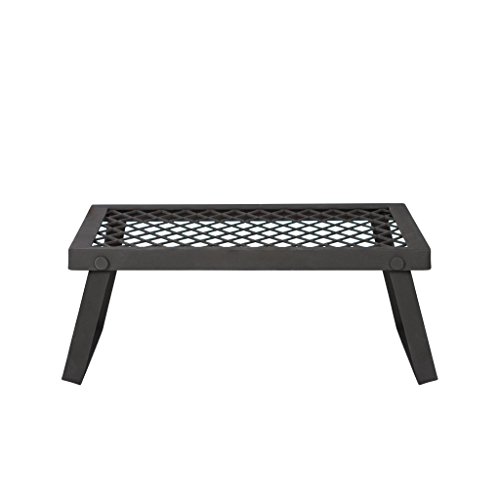
Start with a skillet between 8 and 12 inches in diameter, with a flat bottom that sits fully on a grate. Lidded skillets and deeper pans are useful for stews and baking, but a standard flat-bottomed skillet covers most camp meals. Bring a sturdy cooking grate or a tripod so the pan sits above the coals rather than in the flames.
Shopping for one? See our guide: 7 Best Racks for Cooking Over Campfire Options Compared (2026).
If you are still deciding on equipment, the overview in Cast Iron Campfire Cooking Equipment: A Step-by-Step Guide for Beginners covers pan types and what each one does well.
Build a Fire for Cooking, Not Just Warmth
Cast iron needs a bed of coals, not open flames. Build a fire with dry hardwood and let it burn down for 30 to 45 minutes until you have a layer of glowing coals roughly the width of your skillet. Flames lick at the pan bottom and cause soot and uneven cooking, so keep the fire to one side or rake coals into a tight pile. 6 Best Cast Iron Camping Stove Options for Every Trip (2026) goes further into this.
For more on fire placement and grate height, see Cooking Over the Campfire: A Step-by-Step Guide for Beginners.
Control Heat with Coal Placement
Your skillet heat comes from where you put the coals, not from the fire itself. Use these three zones:
- High heat: a full, even layer of coals under the pan. Use for searing meat or frying potatoes.
- Medium heat: coals spread thinly or pushed to one half. Good for eggs, pancakes and fish.
- Low heat: a few coals scattered beneath. Use for simmering sauces or keeping food warm.
Hold your hand about 5 inches above the pan surface. If you can keep it there for about 3 seconds, you are around medium heat.
Preheat, Oil and Cook
Preheat the skillet on medium for 5 minutes before adding food. Add a thin layer of oil with a high smoke point, such as refined avocado or canola oil, and wait until it shimmers. Place food in the pan and leave it alone until it releases easily, usually 2 to 4 minutes for meat. Flip once.
- Set up the grate or tripod so the pan sits level over a bed of coals.
- Preheat the skillet 5 minutes on medium heat.
- Add oil and wait for it to shimmer.
- Cook food in a single layer, flipping only once.
- Move the pan to a cooler spot if food browns too fast.
- Wipe out the pan while still warm and re-oil lightly before storing.
Common Mistakes
- Placing the skillet directly in flames, which burns the outside before the inside cooks.
- Adding cold food to a cold pan, which causes sticking.
- Crowding the pan, which drops the temperature and steams food instead of searing it.
- Scrubbing with soap while the pan is hot, which can strip seasoning.
- Leaving the pan wet, which invites rust.
Recommended Gear
A heavy-duty grate gives you a stable, adjustable cooking surface over coals. View on Amazon
A long-handled lid lifter and pan grabber keeps your hands clear of hot iron. View on Amazon
A small wire brush and cast iron seasoning oil help you clean and maintain the pan between trips. View on Amazon
FAQ
Can I use a cast iron skillet directly over flames?
It is not recommended. Direct flames cause uneven heating, heavy soot and can crack seasoning. Use a bed of coals beneath the pan instead.
How do I clean cast iron after a campfire meal?
Scrape out food while the pan is still warm, rinse with hot water if needed, dry it completely over low heat, then wipe on a thin layer of oil. Avoid soaking it.
Do I need to season my cast iron before camping?
If the pan is already seasoned, a quick re-oil is usually enough. If it is new or rusty, season it at home first, since camp fires make re-seasoning difficult to control.
Conclusion
Cooking over campfire with cast iron rewards a little preparation: a flat skillet, a bed of coals and steady heat management. Start with simple meals like eggs or seared meat, then build up to cornbread and skillet dinners. Consult the outdoor cooking resources on this site as you gain experience.
Related reading
Ready to choose one?
About Colin Foster
Colin Foster is part of our editorial team and reviews and edits our camping know-how guides, checking product details against manufacturer specifications and owner feedback.