 By Caleb Morgan
Updated November 2026
Camping equipment for car trips is simpler to choose than most beginners expect. The core kit covers sleep, cooking, light, shelter and safety, and a car gives you room to bring a few extras. This guide walks through what to pack, how to group it so you can find things fast, and the mistakes that trip up first-timers.
Start With Sleep and Shelter
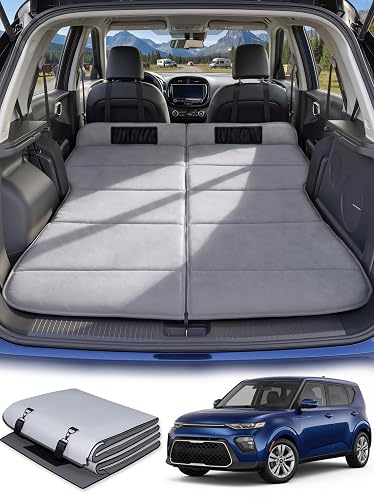
Your sleep setup matters more than anything else on a car camping trip. Decide first whether you will sleep in a tent on the ground, in a rooftop tent, or inside the vehicle. Each choice drives what else you need. If you are unsure how to set up a sleep space inside the car, Tips for Sleeping in Your Car Camping: 9 Steps for a Comfortable Night covers the layout and bedding in detail.
Shopping for one? See our guide: 7 Best Car Camping Cooler Picks for Every Trip Style (2026).
- Sleeping bag rated to the lowest overnight temperature you expect, plus a few degrees of margin
- Sleeping pad or air mattress; an insulated pad matters more than bag loft on cold ground
- Pillow, extra blanket and a tarp or ground cloth for the tent floor
- Tent with stakes, guy lines and a mallet, if you are tent camping
Set Up a Cooking and Cleanup Zone
Keep cooking gear in one bin so you can run a full meal without digging. A two-burner propane stove on a stable table is the usual setup. Pack a cutting board, a sharp knife, a long-handled spatula, a cast iron or nonstick pan, and a pot with a lid. Add a collapsible wash basin, biodegradable soap and a dish brush. Bring at least one more gallon of water than you think you need for cooking and washing.
Plan Lighting, Power and Cooling
Good light keeps the campsite safe after dark. Pack a headlamp for each adult, a lantern for the picnic table, and spare batteries. If you plan to charge phones or run a small device, a portable power station or a 12-volt car adapter will do the job, but check the vehicle manual before running anything from the cigarette lighter socket for long periods. In hot weather, a battery-powered fan keeps the tent or car cabin tolerable; a short comparison of options is in Top 7 Fans for Car Camping Picks Compared in 2026.
Pack a Safety and First Aid Kit
Safety gear is the part people skip and later regret. Include:
- A first aid kit with bandages, antiseptic, tweezers, pain relievers and any personal prescriptions
- A fire extinguisher rated for ordinary combustibles, mounted where you can reach it
- A carbon monoxide alarm if you will run any heater, generator or stove inside an enclosed space
- Insect repellent, sunscreen and a weather radio or downloaded forecast
- A paper map or offline maps, since cell coverage is often weak at campsites
For a complete safety routine, see Car Camping Safety Tips: 10 Steps to Stay Safe on Every Trip.
Common Mistakes to Avoid
- Packing for summer when nights drop below 40°F. Check the overnight low, not the daytime high.
- Forgetting a ground cloth, which leads to a damp tent floor within hours of rain.
- Bringing a charcoal grill with no plan for ash disposal. Use propane or a dedicated fire ring.
- Stacking gear loose in the trunk. Use labeled bins so you can reach the stove without unloading the car.
- Testing new equipment for the first time at the campsite. Set up the tent and stove in your driveway first.
Recommended Gear
- Insulated sleeping pad: Helps keep body heat from leaking into cold ground, which matters more than bag warmth for most sleepers. View on Amazon
- Collapsible storage bins: Keep kitchen, sleep and safety gear separated so each category is easy to find. View on Amazon
- Headlamp: Leaves both hands free for cooking, setting up the tent and walking to the restroom at night. View on Amazon
FAQ
Do I need a full kitchen for car camping?
No. A single-burner or two-burner stove, one pot, one pan and basic utensils cover most meals. Add more only when you know you will use it.
How much water should I bring?
Plan on about one gallon per person per day for drinking, cooking and washing, and carry extra if the site has no water source. Check whether the campground supplies potable water before you arrive.
Is a sleeping pad really necessary?
For most people, yes. Ground insulation affects warmth as much as the bag does, and a pad also cushions the body on uneven surfaces.
Conclusion
Build your kit around sleep, cooking, light and safety, then add comfort items once those are covered. Pack by category in labeled bins, and test everything at home before the trip. A short checklist run before you leave will catch most gaps.
Related reading
Ready to choose one?
About Caleb Morgan
Caleb Morgan is part of our editorial team and reviews and edits our camping know-how guides, checking product details against manufacturer specifications and owner feedback.