 By Caleb Morgan
Updated November 2026
Car camping in an SUV means sleeping in the back of your vehicle, usually with the rear seats folded down and a flat sleeping surface built over the cargo area. Done well, it gives you a warm, private, weather-tight place to sleep without setting up a tent. This guide walks through the setup, the gear, and the mistakes that most often ruin a first night.
Step 1: Clear and Measure the Cargo Area
Start by emptying the back completely, then measure the usable space with the rear seats folded. Measure length from the back of the front seats to the tailgate, and width between the wheel wells. Many SUVs have a slight slope or a gap at the seatbacks, so measure at the height where your body will rest, not just on the floor.
Shopping for one? See our guide: 7 Best Car Camping Cooler Picks for Every Trip Style (2026).
Check the manufacturer’s owner’s manual for the seat-folding procedure and any load limits. Some models have a low floor lip that makes a flat surface harder to build.
Step 2: Build a Flat, Insulated Sleeping Surface
Most people use a combination of a foam pad and a few layers of soft cover to fill the gap between the seatbacks and the cargo floor. Cut foam or use an inflatable mattress sized to your measurements, then add a fitted sheet or quilt on top.
- Use a sleeping pad rated for cold weather if temperatures drop below about 40°F. Insulation below you matters more than blankets above you.
- Place a thin layer of foam over any bumps or latches before adding your pad.
- Keep sharp tool bags and hard cases out of the sleeping area.
Step 3: Plan Ventilation and Window Coverage
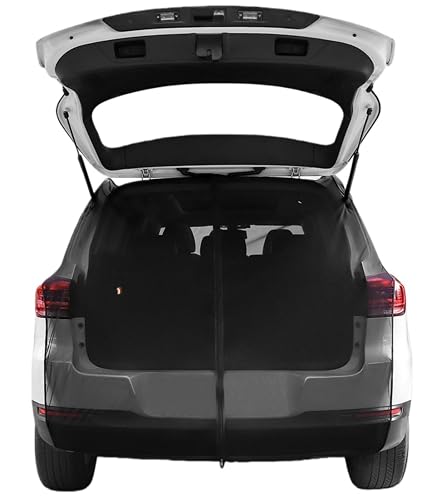
Condensation is the biggest comfort problem in a parked SUV. Crack at least two windows, ideally on opposite sides, about an inch each. Use mesh window screens or a rain-safe cover to keep bugs out and to block the rain. Never leave the engine running in an enclosed space for heat, because carbon monoxide can build up quickly. Consult a professional mechanic or your vehicle’s manual if you are unsure how your model’s exhaust and climate system work while parked. If you want more background, see Charging From Your Car While Camping: 12V Sockets and Battery Limits.
For more detail on airflow and cooling, see Car Window Fan for Camping: A Step-by-Step Guide to Staying Cool.
Step 4: Set Up Privacy, Light and Storage
Window covers keep the cabin dark and private. Sunshades that fit the windshield work well for the front, and cut-to-fit fabric or magnetic covers handle the side and rear glass. Keep a headlamp and a small lantern within reach, and store daily items in bins under the seats or in a separate cooler outside the cabin.
For help organizing the rest of the vehicle, see Tips for Packing Car for Camping: 8 Steps to a Tidy, Efficient Trip.
Common Mistakes to Avoid
- Skipping ventilation. Sealed windows lead to damp bedding and fogged glass by morning.
- Sleeping on a thin pad in cold weather. The ground cold travels up through the floor even when the air feels mild.
- Storing food inside the cabin. Scented items attract wildlife and pests.
- Parking on a slope. Even a small grade makes you slide toward the front seats all night.
- Not testing the setup at home first. Do a dry run in your driveway to find gaps and pinch points.
Recommended Gear
- Foam sleeping pad for a flat, cushioned base over the cargo floor. View on Amazon
- Window screens that fit SUV windows and let air move while keeping insects out. View on Amazon
- Windshield sunshade for privacy and heat control during the day. View on Amazon
FAQ
Is it safe to sleep in an SUV?
It can be, provided you keep windows cracked for airflow, avoid running the engine for heat while sleeping, and park in a legal, well-lit location. Check local rules on overnight parking before you go.
How do I keep an SUV warm at night?
Insulate underneath with a cold-rated pad, use a sleeping bag rated for the lowest expected temperature, and keep your gear dry. Avoid burning fuel or using unvented heaters inside the vehicle.
Do I need to fold down all the seats?
Usually you fold the rear seatbacks flat to create the largest sleeping area. Some people sleep diagonally or use only one side, depending on their height and how much gear they carry.
Conclusion
Car camping in an SUV works best when you plan the sleeping surface, ventilation, and privacy before you leave. Do a practice setup at home, pack light, and keep moisture under control. Once you have one good night behind you, the routine becomes quick and easy.
Related reading
- Winter Car Camping Tips: 9 Steps to Stay Warm and Safe
- Types of Camping Trips: Family, Car, Backpacking and Solo
- Top 7 Fans for Car Camping Picks Compared in 2026
Ready to choose one?
About Caleb Morgan
Caleb Morgan is part of our editorial team and reviews and edits our camping know-how guides, checking product details against manufacturer specifications and owner feedback.