 By Caleb Morgan
Updated November 2026
Good car camping window ventilation keeps fresh air moving through your vehicle so you stay cool, dry and clear-headed overnight. You will learn how to choose window positions, add bug-proof airflow, and balance ventilation with security. Done right, you can cut condensation and stuffiness without leaving the car open to rain, bugs or intruders.
Why Car Camping Window Ventilation Matters
A closed car traps your breath and body moisture. Within a few hours, that moisture condenses on the glass and headliner, which makes bedding damp and the air heavy. Good airflow lowers humidity and carbon dioxide levels, so you wake up feeling rested instead of groggy. It also helps during warm nights, when a closed vehicle can get uncomfortably hot even after sunset.
Shopping for one? See our guide: 7 Best Car Camping Cooler Picks for Every Trip Style (2026). For another angle, check out Charging From Your Car While Camping: 12V Sockets and Battery Limits.
Step-by-Step Setup for Airflow
- Check the weather first. Wind direction and rain forecasts decide which windows you can open. Plan for the wind to blow across the vehicle, not directly into a window you cannot cover.
- Crack the windows on opposite sides. Open the windows diagonally, such as driver-side rear and passenger-side front. This creates cross-flow, which moves air faster than opening two windows on the same side.
- Keep openings small. A gap of about 1 inch is often enough for steady airflow in cool weather. Open wider only in warm weather, and only when you have bug protection.
- Add mesh screens. Window screens or mesh covers keep insects out while letting air through. Choose a fine mesh if you are dealing with gnats or mosquitoes.
- Position a roof vent if your vehicle has one. Warm air rises, so a roof vent or hatch cracked slightly above the cabin pulls stale air out while fresh air comes in below.
- Test the setup before dark. Sit inside for a few minutes and feel for drafts on your face. Adjust until the air moves without blowing directly on you.
Balancing Ventilation With Security and Weather
Open windows carry risks, so the goal is airflow without access. Keep valuables out of sight, and avoid openings large enough for an arm to reach through. Rain can blow in through even a small gap, so use a shield or park with the opening facing away from the prevailing wind. Check your local rules about sleeping in a vehicle, and consult your campground host or official park site for current guidance.
| Conditions | Suggested opening | Priority |
|---|---|---|
| Cool, damp night | Small crack on two diagonal windows | Reduce condensation |
| Warm, buggy night | Mesh-covered windows, roof vent | Heat and insect control |
| Rain or strong wind | Windows on the sheltered side only | Keep water out |
Recommended gear
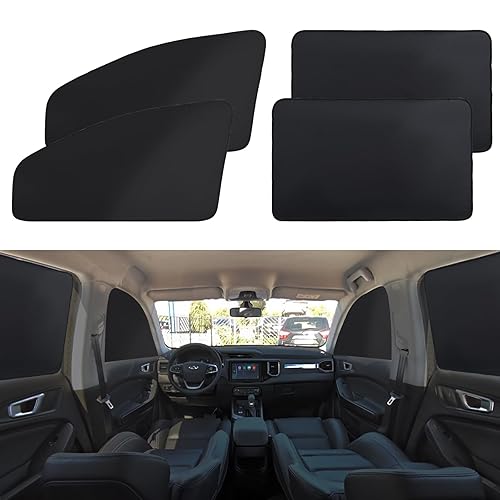
Window mesh covers keep insects out while the glass stays cracked, which is the easiest way to add airflow without bugs. Look for models designed to fit your vehicle’s window shape, and check the manufacturer’s fit guide before you buy. View on Amazon
A small window fan helps when the air is still. Place it on a shelf or the dash, and aim it toward the open window to pull air through the cabin. View on Amazon
Common Mistakes to Avoid
- Opening only one window, which creates little movement inside the cabin.
- Leaving windows open wide in rain or insect-heavy areas.
- Skipping mesh screens and then waking up covered in bites.
- Ignoring condensation on the glass, which signals you need more airflow.
- Sleeping with a fan blowing straight onto your face for hours.
For more planning help, see Car Window Fan for Camping: A Step-by-Step Guide to Staying Cool and Tips for Sleeping in Your Car Camping: 9 Steps for a Comfortable Night.
FAQ
Should I leave my windows open all night?
Only a small crack is usually safe, and only if you have bug protection and the weather is calm. Close windows fully in rain, high wind or any situation where security feels uncertain.
How do I stop bugs from getting in?
Fit fine mesh covers over each opening and keep the cabin lights off while you set up. Use a bug-proof roof vent if your vehicle has one.
Why is there condensation on my windows?
Your breath and body heat release moisture that cools on the glass. Increase airflow with diagonal cracked windows to clear it.
Conclusion
Good car camping window ventilation comes down to diagonal airflow, small openings and bug-proof screens. Check the weather, test your setup before dark, and adjust as conditions change. With those habits, you will wake up drier, cooler and more rested.
Related reading
- Winter Car Camping Tips: 9 Steps to Stay Warm and Safe
- Types of Camping Trips: Family, Car, Backpacking and Solo
Ready to choose one?
About Caleb Morgan
Caleb Morgan is part of our editorial team and reviews and edits our camping know-how guides, checking product details against manufacturer specifications and owner feedback.