By Caleb Morgan
Updated November 2026
A good car camping set up turns your vehicle and campsite into a place where you can sleep, cook and relax without hunting for gear every hour. In this guide, you will learn how to plan your car camping set ups, prepare your vehicle, organize your campsite and avoid the problems that catch most beginners. The steps below work for sedans, hatchbacks, minivans and SUVs.
Step 1: Plan Your Sleep Space First
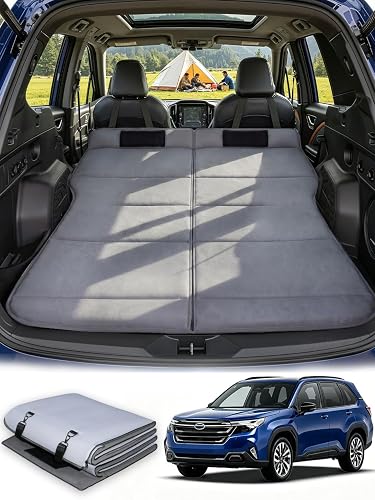
Start with the sleeping area, since it decides how much room everything else gets. Fold down the rear seats or remove the headrests if your vehicle allows it, then measure the flat length from the dashboard to the back hatch. Many beginners find that a 2-inch to 4-inch difference in height makes a big impact, so note where the floor dips near the wheel wells. A foam pad or inflatable mattress sized to that space usually works better than loose bedding, and you can read more in our guide to Foam Mattress Car Camping: A Step-by-Step Guide to Better Sleep.
Shopping for one? See our guide: 7 Best Car Camping Cooler Picks for Every Trip Style (2026).
Step 2: Organize Gear Into Zones
Split your gear into three zones so you never have to unpack the whole car to find one item. Keep sleep gear in one zone, kitchen and food in a second, and daytime items such as chairs, shoes and rain gear in a third. Store the items you need first, like the stove or the cooler, near the rear hatch. The Checklist for Car Camping: A Step-by-Step Packing List for Beginners helps you confirm that nothing important is missing before you leave.
Packing Order That Works
- Heavy items like the cooler and water jugs go low and near the middle of the vehicle.
- Sleep gear goes in the sleeping area, with the pillow and sleeping bag on top.
- Daily items such as chairs and the camp table go in the rear, easy to reach.
- Keep a small bin with first aid, flashlights and tools within reach of the driver’s seat.
Step 3: Build Airflow and Ventilation
Good airflow keeps condensation down and makes the night more comfortable. Crack two windows about one inch on opposite sides so air can move through, and add mesh covers to keep bugs out. If you sleep in warm weather, a small fan on a battery can help, and our guide to Car Camping Window Ventilation: A Step-by-Step Guide to Airflow explains how to position vents. Check the forecast before you commit to a set up, since rain and wind change how much airflow you can allow.
Step 4: Set Up a Simple Campsite Layout
Park with the rear hatch facing your cooking area and the front facing an exit, so you can leave without backing up. Place the camp table and stove on a flat surface at least several feet from the vehicle, and set chairs where you can see the campsite. If rain is possible, a tarp over the hatch gives you a dry work area; see Tarp for Car Camping: A Step-by-Step Guide to Setup and Shelter for tie-down methods.
Common Mistakes
- Leaving windows fully open, which invites insects and wind.
- Packing the heaviest items on top, which makes the vehicle less stable on rough roads.
- Skipping a test set up at home before the trip.
- Forgetting that food and trash can attract animals, so keep them sealed inside the vehicle.
- Running the engine or a heater while sleeping without checking carbon monoxide safety.
Recommended Gear
- Foam sleeping pad: A foam pad fills uneven spots in the vehicle floor and gives you a more even surface for sleep. View on Amazon
- Mesh window screens: These let you keep windows cracked for airflow while blocking insects. View on Amazon
- Collapsible camp table: A stable table keeps cooking and meal prep off the ground and gives you a clear workspace. View on Amazon
FAQ
Do I need a special vehicle for car camping set ups?
No. Most sedans, hatchbacks, minivans and SUVs work well once you fold seats and plan space. Start with a short trip close to home to learn what your vehicle can handle.
How much room do I need to sleep in a car?
Most adults need a flat space about 6 feet long, and many people find it easier with a bit more room. Measure your vehicle before buying a pad or mattress.
Is it safe to run a heater inside my car while sleeping?
Running a vehicle engine or fuel-burning heater in an enclosed space can cause carbon monoxide poisoning, so avoid it. Consult a professional or check the manufacturer’s guidance before using any heating device in your vehicle.
Conclusion
Good car camping set ups come down to planning the sleep space, organizing gear into zones and managing airflow. Test your layout at home, pack in the right order and keep a simple campsite arrangement. With these steps, your next trip will feel calmer and more comfortable.
Related reading
- Winter Car Camping Tips: 9 Steps to Stay Warm and Safe
- Types of Camping Trips: Family, Car, Backpacking and Solo
- Top 7 Fans for Car Camping Picks Compared in 2026
- Tips for Sleeping in Your Car Camping: 9 Steps for a Comfortable Night
Ready to choose one?
About Caleb Morgan
Caleb Morgan is part of our editorial team and reviews and edits our camping know-how guides, checking product details against manufacturer specifications and owner feedback.