 By Caleb Morgan
Updated November 2026
Car camping must haves come down to a short list of items: a way to sleep flat, a cooler, light, water, and a plan for weather. If you pack these ten things and keep them organized, you will spend less time searching through the trunk and more time enjoying your campsite. This guide walks through what to bring and how to set up your vehicle so the gear actually works.
Start With Sleep and Shelter
Your sleeping setup matters more than anything else on a car trip. Most people underestimate how much a rough night hurts the next day. Before you pack anything else, decide how you will sleep.
Shopping for one? See our guide: Must Have Camping Gear for Beginners: 7 Best Picks in 2026.
- A sleeping bag rated for the lowest temperature you expect. Check the manufacturer’s comfort rating rather than the extreme rating.
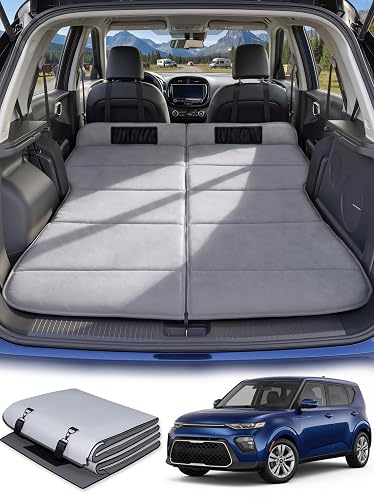
- A foam or inflatable pad to cover the gap between the seats and the cargo floor.
- A tarp or rain fly if you plan to set up outside the car or need a dry spot for gear. See our guide to a tarp for car camping for setup options.
If you are sleeping inside the vehicle, check that the bed surface is level. Even a small slope will wake you up at 3 a.m. For more on this, read Tips for Sleeping in Your Car Camping: 9 Steps for a Comfortable Night.
Plan Your Cooking and Cold Storage
Food handling is where many first-timers run into trouble. A cooler that is packed wrong will leave you with warm drinks and soggy sandwiches by the second day.
- Pre-chill the cooler overnight with ice packs before loading it.
- Pack frozen items on the bottom, with dry goods and produce on top.
- Keep a separate bin for raw meat so juices cannot reach ready-to-eat food.
- Bring a stove, fuel, a lighter, and a pot set sized for your group.
Plan meals in advance so you are not improvising at dusk. Our overview of Food for Car Camping: A Step-by-Step Guide to Eating Well covers menus that need little cleanup.
Light, Water and Power
Once the sun drops, you need reliable light and a steady supply of water for cooking, washing and drinking. Pack these items in a bin you can reach without unloading the whole car.
- A headlamp for each person, plus one lantern for the campsite.
- At least 1 gallon of drinking water per person per day, plus extra for cooking and cleaning. Confirm local guidance for your region if you are unsure.
- A portable battery pack or power station sized for your phone and any small devices. Charge everything before you leave home.
Plan for Temperature and Bugs
Weather changes fast, and bugs show up at the worst times. A small amount of planning here keeps the trip pleasant.
| Condition | What to bring |
|---|---|
| Hot daytime temperatures | Shade cover, extra water, a battery fan |
| Cold nights | Layers, a warm sleeping bag, a hot water bottle |
| Mosquitoes and flies | Repellent, mesh window covers, a head net |
| Rain | A tarp, a dry bag for electronics, towels |
If the forecast calls for heat, study Heat for Car Camping: 8 Steps to Stay Cool Without Overheating Your Car before you park in direct sun. Ventilation is also worth planning carefully; see Car Camping Window Ventilation: A Step-by-Step Guide to Airflow.
Common Mistakes
- Packing for the best-case weather and ignoring the forecast for the whole trip.
- Forgetting a trash bag. Pack a bag for trash and a separate one for dirty dishes.
- Loading the cooler with warm food or drinks.
- Skipping a test pitch at home. Setting up a tent or sleeping pad in your driveway saves frustration later.
- Leaving sleeping gear buried under everything else. Keep bedding in the front seat or a bin you can reach first.
Recommended Gear
- Coleman Cooler Chest helps hold cold temperatures for food and drinks across a weekend. View on Amazon
- Anker PowerHouse portable power station keeps phones, lights and small fans running without a generator. View on Amazon
- Black Diamond Spot headlamp gives hands-free light for cooking, setup and late-night walks to the restroom. View on Amazon
FAQ
What are the most important car camping must haves for beginners?
A sleeping pad, a sleeping bag rated for the expected temperature, a cooler, reliable lighting and enough water are the core items. Start with these before adding comfort extras.
Do I need a special vehicle for car camping?
No. Most sedans, hatchbacks, SUVs and minivans work well with a flat sleeping surface and good planning. A small compact can still be comfortable if you pack light.
How far ahead should I pack for a car camping trip?
Start a checklist about a week before departure and load the car the night before. This gives you time to fix missing items and check the weather.
Conclusion
Car camping gets easier once you have a reliable sleep setup, a well-packed cooler, good light and a plan for weather. Build your list around those basics and add comforts as you learn what your group actually uses. Check local campground rules and current conditions before you go, since requirements and availability can change.
Related reading
- Camping Must Haves for Beginners: A Practical Packing Guide
- Winter Car Camping Tips: 9 Steps to Stay Warm and Safe
- Types of Camping Trips: Family, Car, Backpacking and Solo
Ready to choose one?
About Caleb Morgan
Caleb Morgan is part of our editorial team and reviews and edits our camping know-how guides, checking product details against manufacturer specifications and owner feedback.