 By Caleb Morgan
Updated November 2026
A 4Runner car camping setup comes down to three things: a flat sleeping surface, a storage layout you can reach without unpacking everything, and enough airflow to keep condensation down overnight. Work through the steps below and you’ll have a bed ready in under an hour, even on your first trip. Most of the work happens before you leave home, so plan the layout on the driveway first.
Step 1: Clear the Cargo Area and Measure
Empty the rear cargo area completely and measure its length, width and height at the tailgate opening. Measure the length from the back of the front seats to the tailgate glass, and the width at both the wheel wells and the floor. Those numbers tell you what size sleeping pad or platform will fit and whether you’ll need to fold the rear seats forward or lay them flat. Write them down before you buy or cut anything.
Shopping for one? See our guide: 7 Best Car Camping Cooler Picks for Every Trip Style (2026).
Step 2: Build a Flat Sleeping Surface
The factory floor has a lift at the wheel wells and a seam where the rear seats fold, so you’ll want something to level it out. Common options include a platform built from plywood cut to fit, a foam mattress sized to the cargo floor, or an inflatable pad that you can deflate and roll up. Whichever you choose, keep the total height of the bed under the window line so you can sit up without hitting the roof. For more on foam options, see Foam Mattress Car Camping: A Step-by-Step Guide to Better Sleep.
Step 3: Organize Storage Around the Bed
Once the sleeping surface is in, the space under and beside it becomes your storage. Use bins with lids and label them by category, such as kitchen, clothes, and recovery gear. Keep the items you need every night, like headlamps, water and a change of clothes, in a bin or pocket within arm’s reach of the bed. For a full loading sequence, the guide Tips for Packing Car for Camping: 8 Steps to a Tidy, Efficient Trip walks through how to stack gear by how often you use it.
Step 4: Plan Airflow and Window Coverage
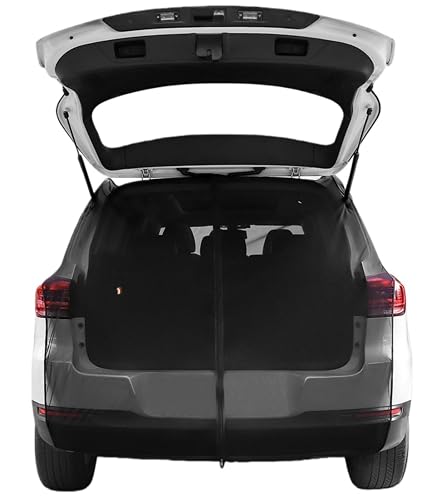
Condensation is the most common complaint about sleeping in a vehicle. Crack at least two windows on opposite sides of the vehicle, or use a rain-proof vent if you are camping in wet weather. Window covers keep out early light and reduce how much you can see in from outside. A small fan helps move air, and a mesh screen keeps insects out while the windows are open. Check the local regulations for the area you’re camping in before you leave the windows cracked or run any equipment overnight.
Setup Checklist
- Measure cargo length, width and height.
- Choose a sleeping surface and confirm it fits.
- Pack bins by category and label them.
- Install window covers and a ventilation plan.
- Test the full setup in the driveway before your trip.
Common Mistakes to Avoid
- Skipping the driveway test, which is the fastest way to find out a platform doesn’t fit.
- Sealing all windows completely and waking up with a damp sleeping bag.
- Stacking heavy bins high, which makes the vehicle top-heavy on rough roads.
- Storing food inside the cabin overnight instead of in a sealed container.
- Forgetting to check the ground clearance and parking surface before settling in.
Recommended Gear
A breathable sleeping pad helps with airflow under your sleeping bag, so pick one with an open-cell or ventilated surface. Window covers that fit the rear windows are useful for privacy and blocking early light. A compact rechargeable fan can move air through the cabin on warm nights.
- Breathable sleeping pad: helps reduce moisture build-up under your bag. View on Amazon
- Custom-fit window covers: block light and add privacy in the rear windows. View on Amazon
- Rechargeable USB fan: keeps air moving on warm nights without idling the engine. View on Amazon
FAQ
Can I sleep in the 4Runner with the rear seats up?
Most people fold the rear seats down to create a flat floor, since the seats leave a step and gap that makes a bed uncomfortable. Some setups keep the seats up and sleep on a platform above them, but that reduces headroom. Test both in the driveway before you go.
How do I stop condensation from building up overnight?
Crack at least two windows on opposite sides and run a small fan to keep air moving. Avoid breathing into a closed cabin with no airflow, and keep wet gear outside or in a separate bin. Wipe down any visible moisture in the morning.
Where should I store food in the vehicle?
Store food in sealed, rigid containers in a storage bin, and keep it out of the sleeping area. Check local wildlife guidance for the campground you’re visiting, since some areas require food to be stored in a locked vehicle or a designated locker.
Conclusion
A good 4Runner car camping setup starts with accurate measurements, a flat and level sleeping surface, and storage that keeps your nightly essentials within reach. Add airflow and window coverage to handle condensation and privacy. Test the whole layout at home first, and you’ll spend your time outdoors instead of rearranging gear.
Related reading
- Winter Car Camping Tips: 9 Steps to Stay Warm and Safe
- Types of Camping Trips: Family, Car, Backpacking and Solo
- Top 7 Fans for Car Camping Picks Compared in 2026
- Tips for Sleeping in Your Car Camping: 9 Steps for a Comfortable Night
- Tesla Model 3 Camping Tips: 9 Steps for a Comfortable Car-Camping Trip
Ready to choose one?
About Caleb Morgan
Caleb Morgan is part of our editorial team and reviews and edits our camping know-how guides, checking product details against manufacturer specifications and owner feedback.