 By Caleb Morgan
Updated November 2026
An SUV car camping setup comes down to three things: a flat, level sleeping surface, a simple way to organize your gear, and enough airflow to keep you comfortable overnight. This guide walks you through each step so you can go from an empty cargo area to a ready-to-sleep camp in under an hour. If you are new to this, start with the basics in Car Camping in SUV: A Step-by-Step Guide for Beginners.
Step 1: Clear and Measure the Cargo Area
Empty everything out of the back and measure the usable floor from the rear door to the back of the front seats. Note the width between the wheel wells and the height from the floor to the window line. Most people find they need a sleeping surface about 6 feet long, so check whether you can fit that with the rear seats folded or removed. Many SUVs leave a few inches of sloped floor near the tailgate, so plan for a small gap or a pad to level it.
Shopping for one? See our guide: 7 Best Car Camping Cooler Picks for Every Trip Style (2026).
Step 2: Build a Level Sleeping Surface
A flat sleep surface matters more than a thick mattress. Fold the rear seats down completely, then lay a foam pad or inflatable mattress across the floor. Use a folded blanket or a rolled towel to fill any dip near the seat hinges. Check that the surface does not rock when you press on it, and set up in a parked spot with a slight downhill toward the front so your head stays higher than your feet.
Step 3: Organize Gear by How You Will Use It
Pack so that what you need at night sits within reach and what you need during the day sits near the back. Keep a small bin with a headlamp, water, phone charger and a change of clothes near your pillow. Place cooking gear and food in a separate tote by the tailgate. Keeping sleep gear and kitchen gear apart keeps the bed space clear and reduces the chance of something spilling on you overnight.
Essential items for the sleeping area
- Foam pad or inflatable mattress sized for the cargo floor
- Sleeping bag rated for the lowest temperature you expect
- Pillow, plus a spare layer of clothing for insulation
- Window covers or a privacy shade for each rear window
- Headlamp, phone charger and a small storage bin
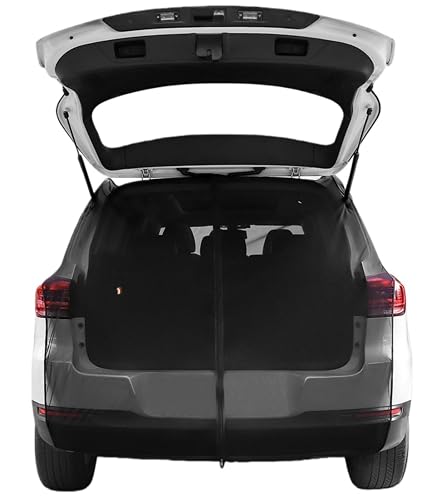
- Mosquito netting for the open tailgate or cracked window
Step 4: Plan Ventilation and Window Coverage
Crack at least one window about half an inch on each side, or use a window vent insert, to move air through the cabin. Cover the windows with reflective shades or mesh to block light and keep out curious eyes. Avoid running the engine for heat or power overnight, since exhaust can enter the cabin. If you need airflow when it is hot, a battery-powered fan clipped to the seat frame can help.
Common Mistakes to Avoid
- Skipping the level check, which leaves you sliding toward the tailgate all night.
- Sleeping with the engine running for heat, which risks carbon monoxide exposure.
- Sealing every window, which traps moisture from breathing and causes condensation.
- Packing food in the sleeping area, which can attract insects and animals.
- Forgetting that sleeping bag temperature ratings are estimates and a colder night may need extra layers.
Recommended Gear
A self-inflating sleeping pad helps fill uneven spots in the cargo floor without much effort. View on Amazon
Mesh window covers keep the cabin private while still allowing air to move through the vehicle. View on Amazon
A rechargeable clip-on fan can help circulate air on warm nights when windows need to stay partly closed. View on Amazon
FAQ
Do I need to remove the rear seats for an SUV car camping setup?
Not always. Many SUVs let you fold the rear seats flat, which creates a usable sleep surface. Removing them gives more room but is harder and not necessary for most setups.
Is it safe to sleep in an SUV with the windows cracked?
Yes, when the windows are cracked only slightly and the vehicle is parked in an open area. Check local rules and make sure the spot is legal and secure before you settle in.
How long does an SUV car camping setup take the first time?
Most first-time setups take about an hour, including clearing the cargo area and laying out bedding. Practicing once in your driveway will cut that time significantly on your first real trip.
Conclusion
A solid SUV car camping setup depends on a level sleeping surface, organized gear and smart airflow. Work through the steps in order and test your layout once before you leave. Once you have done it a few times, the process becomes quick and predictable.
Related reading
- Winter Car Camping Tips: 9 Steps to Stay Warm and Safe
- Types of Camping Trips: Family, Car, Backpacking and Solo
- Top 7 Fans for Car Camping Picks Compared in 2026
- Tips for Sleeping in Your Car Camping: 9 Steps for a Comfortable Night
Ready to choose one?
About Caleb Morgan
Caleb Morgan is part of our editorial team and reviews and edits our camping know-how guides, checking product details against manufacturer specifications and owner feedback.