 By Caleb Morgan
Updated November 2026
Car camping is usually not allowed when a location is designated for day use only, when a campground is full or closed, or when local rules restrict overnight parking and sleeping in vehicles. In most cases the restriction is about safety, wildlife protection, neighborhood impact or liability, not a blanket ban on camping itself. Checking the specific rules for the place you plan to visit will tell you what applies.
Why Car Camping Is Restricted in Many Places
Land managers rarely ban car camping without a reason. The most common ones fall into a few groups. Public lands such as state parks, national forests and wildlife areas often limit where vehicles can stop overnight to protect soil, vegetation and water quality. Cities and counties frequently prohibit sleeping in vehicles on public streets, in parking lots or in residential areas, mostly to address noise, sanitation and complaints from neighbors. Private property owners, including retail parking lots, can also set their own rules and may enforce them through a tow.
Shopping for one? See our guide: 7 Best Car Camping Cooler Picks for Every Trip Style (2026).
Safety and wildlife matter too. Bears, for example, are drawn to food and scented items, and many parks require food to be stored in a locked vehicle or a bear box. Some areas restrict overnight stays during fire season or when fire risk is high, since a parked vehicle with a running engine or a campfire can start a wildfire quickly. If you want more background, see What Batteries Are Not Allowed in Checked Luggage? Rules and Safe Packing.
Factors That Determine Whether You Can Car Camp
Three things usually decide the answer for a given spot:
- Land type. Developed campgrounds, dispersed camping areas and day-use lots each follow different rules.
- Jurisdiction. A national park, a state forest, a county park and a city street may all have different policies, even a few miles apart.
- Season and conditions. Closures for fire danger, wet weather or wildlife activity can change the rules temporarily.
Also note the difference between camping and simply resting. Some places allow a short nap in a parked car but prohibit setting up chairs, awnings or tents beside it. Read the wording carefully.
What to Do If Car Camping Is Not Allowed
When you find a restriction, you still have good options. Use these steps:
- Check the official website of the land manager, such as the park service, state forest office or county parks department, for current camping rules.
- Call or email ahead to confirm, especially for remote or seasonal areas. Rules and closures change.
- Book a developed campground or a reserved vehicle-accessible site, which typically permits overnight parking.
- Look for designated dispersed camping areas on public land, where car camping is often allowed under set distance and stay limits.
- Pack for compliance: store food and scented items as required, keep fires within approved rings, and avoid parking where signs prohibit overnight use.
For a practical look at setting up legally in a specific park, see Yosemite National Park Car Camping: A Step-by-Step Guide for 2026. If you want to plan around a campground layout, Types of Camping Trips: Family, Car, Backpacking and Solo explains how different trip styles fit different rules.
What We’d Use
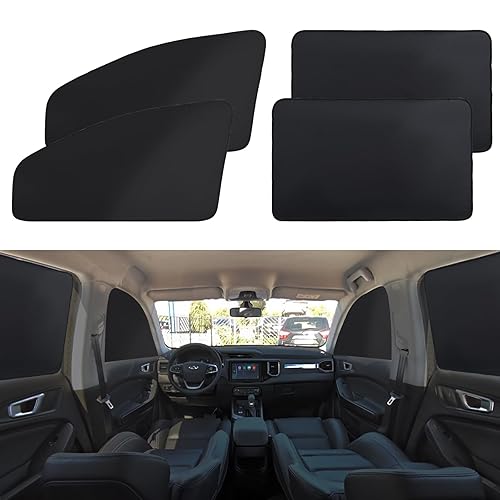
A basic privacy setup helps you stay discreet and comfortable at a legal site without drawing attention. A compact car window shade is one option that blocks light and keeps you out of view.
If a site allows overnight stays but gets warm, a battery-powered fan keeps the cabin moving air.
FAQ
Can I car camp on a public street?
Often no. Many cities prohibit sleeping in vehicles on public streets, so check local ordinances or ask the police non-emergency line for guidance.
Is dispersed camping the same as car camping?
Not quite. Dispersed camping means camping outside a developed campground on public land, and it can include car camping where allowed. Rules on distance from water, stay length and fire use still apply.
What if I arrive and the rules are unclear?
Leave the area and confirm before setting up. Staying after being told to leave can lead to a citation, and a closed or restricted area may carry fines.
Related reading
- Winter Car Camping Tips: 9 Steps to Stay Warm and Safe
- Window Coverings for Car Camping: A Step-by-Step Guide to Privacy and Shade
Ready to choose one?
About Caleb Morgan
Caleb Morgan is part of our editorial team and reviews and edits our camping know-how guides, checking product details against manufacturer specifications and owner feedback.