 By Colin Foster
Updated November 2026
Boy scout campfire cooking comes down to three things: building a fire that makes steady coals, setting up your cooking gear so heat is easy to control, and keeping food safe from start to finish. This guide walks you through each step so your patrol can cook a full meal over an open fire without burnt bottoms or raw centers.
Build a Fire Made for Cooking
A cooking fire is different from a fire for warmth or light. You want a bed of coals, not tall flames. Start with a small teepee of tinder and kindling, add progressively larger wood, and let the fire burn down for 20 to 30 minutes until the flames die back and the wood glows. Hardwoods like oak or hickory burn hotter and longer than softwoods, which tend to spit and produce more smoke.
Shopping for one? See our guide: Lehman's Campfire Cooking Kettle Pot Review: Pros and Cons.
For a more detailed walkthrough of setup, see How to Build a Campfire for Cooking: A Step-by-Step Guide for Beginners. We also found Boy Scout Backpacking Gear List: A Step-by-Step Packing Guide useful on this point.
Set Up Your Cooking Station
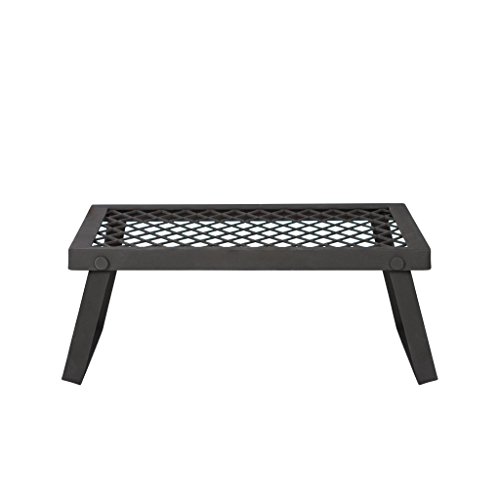
Once you have coals, decide how you will hold the cookware. Most troops use one of three setups: a grate over the coals, a tripod with a hanging pot, or a Dutch oven set on coals with more coals on the lid. Before you cook, check that the grate or tripod is stable and that no pot will tip toward a seating area.
If you are choosing between cookware types for the group, Which Pans for Campfire Cooking Work Best? 5 Types Compared covers how each one handles heat.
Gear checklist
- Fire-safe gloves or heat-resistant tongs
- Long-handled spatula and stirring spoon
- Grate, tripod or Dutch oven with lid lifter
- Cutting board, knife and food-safe containers
- Water bucket or spray bottle for flare-ups
- Small shovel or metal scoop for moving coals
- Fire extinguisher or water source within reach
Control Heat and Cook in Stages
Campfire heat is uneven. Coals at the edge of the bed run cooler than the center, and the heat rises with the wind. Rake coals into two zones: a hot side for searing and boiling, and a cooler side for keeping food warm or simmering slowly. Move the pot or pan between zones rather than adjusting the fire constantly.
Foil packets are a reliable choice for beginners because they trap steam and cook evenly. The steps are covered in Foil Packets for Campfire Cooking: A Step-by-Step Guide for Beginners.
Simple cooking sequence
- Cook proteins first, on the hottest part of the coals, until the internal temperature is fully safe. Use a food thermometer for meats.
- Move cooked proteins to the cooler side to hold.
- Cook vegetables and starches on medium heat, stirring or turning often.
- Plate food and let it rest before serving.
Keep Food Safe and Clean Up Properly
Keep raw meat in a cooler at 40°F or below until it goes on the fire, and keep it separate from produce and utensils used for cooked food. Wash hands or use hand sanitizer between handling raw and cooked items. Never leave perishable food out for more than two hours, or one hour if the air is above 90°F.
When the meal is done, let the coals burn down fully. Douse them with water, stir, and confirm everything is cold to the touch before leaving the site. Pack out foil and scraps, and wash pots with hot water and a scrub pad away from streams.
Common Mistakes
- Cooking over flames instead of coals, which leads to scorched outsides and raw centers.
- Skipping the food thermometer and guessing doneness on meat.
- Placing pots too close to the fire where handles can overheat.
- Leaving the fire unattended while a meal cooks.
- Forgetting to check local fire restrictions before lighting a cooking fire.
Recommended Gear
A sturdy fire-rated tripod lets the whole patrol hang pots at a consistent height over the coals. View on Amazon
Long-handled heat-resistant tongs keep hands clear of flames while you rearrange coals and flip food. View on Amazon
A cast iron Dutch oven with a lid lifter is the go-to for baking and stews on a campout. View on Amazon
FAQ
How long should I wait before cooking over a campfire?
Wait until the flames have died down and the wood is glowing with a steady bed of coals, usually 20 to 30 minutes after the fire is lit. Cooking over active flames causes uneven, sooty results.
Can I use any wood for boy scout campfire cooking?
Hardwoods such as oak, hickory or maple burn hotter and more evenly than softwoods, which can spark and leave resin on cookware. Only burn wood that is allowed in your area and that you can source legally.
How do I know when meat is fully cooked over a fire?
Use a food thermometer and check that the thickest part reaches the safe internal temperature for that type of meat. If you do not have a thermometer, consult a food safety guide from your local extension office or troop leader before serving.
Conclusion
Good boy scout campfire cooking depends on steady coals, zones of heat you can adjust, and careful food handling. Practice the fire-building and staging steps on a short outing before trying a full patrol meal. With a little repetition, your group will be cooking reliable meals over the fire in no time.
Related reading
- Wrought Iron Campfire Cooking Equipment: Pieces, Care and Setup
- Top 5 Tripods for Cooking Over Campfire Picks Compared (2026)
Ready to choose one?
About Colin Foster
Colin Foster is part of our editorial team and reviews and edits our camping know-how guides, checking product details against manufacturer specifications and owner feedback.