 By Colin Foster
Updated November 2026
A campfire cooking tripod and dutch oven pot let you bake, stew and simmer real meals over an open fire. This guide walks you through choosing a safe setup, placing the pot, controlling heat and keeping the gear in good shape. Follow these steps and you can cook a full dinner at camp without a stove.
Choose the Right Tripod and Pot
Look for a tripod that stands at least 24 inches tall so the pot sits above the flames and you can reach the lid without bending too far. Check that the legs spread wide and sit flat on the ground. A hanging hook or chain lets you raise or lower the pot, which is the easiest way to adjust heat.
Shopping for one? See our guide: Lehman's Campfire Cooking Kettle Pot Review: Pros and Cons.
For the pot, a cast iron dutch oven is the standard choice. Most campers use a 10-inch or 12-inch model with a flanged lid so coals can sit on top. Check that the lid has a rim or ledge that holds coals, and that the legs on the pot (if it has them) are sturdy enough to sit on the tripod hook or ground. For more on pot types, see Cast Iron Dutch Oven for Campfire Cooking: A Step-by-Step Guide.
Set Up the Tripod Safely
- Clear a flat spot at least 10 feet from tents, chairs and dry brush. Scrape away leaves and grass.
- Spread the tripod legs wide and press each foot into the soil until the frame is level and stable.
- Test the stability by pushing gently on the top. If it wobbles, reposition the legs or add a rock under one foot.
- Attach the hook or chain and confirm it can move freely up and down.
Always keep water and a shovel within reach. For a fuller setup guide, see Campfire Tripod for Cooking: How to Set Up and Use One Safely.
Control Heat and Cook with Your Dutch Oven
A dutch oven cooks by heat from below and above. Place about two-thirds of your coals underneath the pot and one-third on the lid. Use a lid lifter to check progress, and rotate the lid a quarter turn every 10 to 15 minutes to even out the heat. Raise the pot on the hook when the flames are high and lower it as they settle into glowing embers.
Aim for steady, glowing coals rather than open flame. Roughly 15 to 20 coals on the lid and 10 to 12 under the pot is a common starting point for a 12-inch oven, though actual needs vary with weather and fuel. Stews and soups usually take 45 to 60 minutes, while bread or cobbler may need 30 to 45 minutes with more heat on top. For recipe ideas, see Dutch Oven Campfire Cooking Recipes: 7 Easy Camp Meals.
Gear Checklist for Your Trip
- Tripod with hook or chain and stable leg spread
- Cast iron dutch oven with flanged lid
- Lid lifter and heat-resistant gloves
- Long-handled tongs and a small shovel
- Charcoal or hardwood coals and a fire starter
- Water bucket and fire extinguishing supplies
Common Mistakes to Avoid
- Setting the tripod on uneven or unsupported ground, which can tip the pot.
- Putting too many coals under the pot, which scorches the bottom.
- Lifting the lid often, which lets heat escape and adds cooking time.
- Cooking directly on flames instead of glowing coals.
- Storing a wet cast iron pot, which leads to rust. Dry it fully and oil lightly before packing.
Recommended Gear
A sturdy lid lifter makes it safer to check food without dropping hot coals. View on Amazon
Heat-resistant gloves protect your hands when adjusting the pot on the hook. View on Amazon
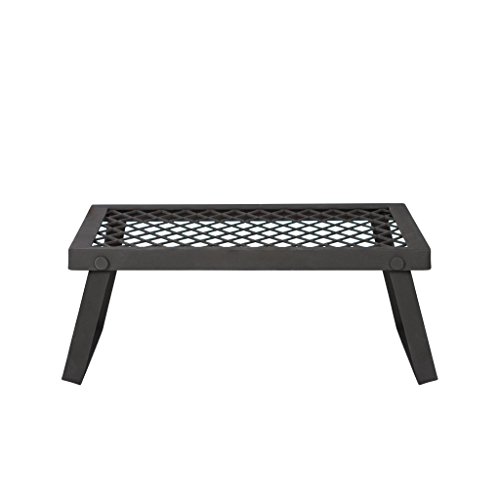
A folding campfire cooking tripod gives you a stable frame for the pot. View on Amazon
FAQ
How high should a campfire tripod be for a dutch oven?
A tripod about 24 inches tall works well for most people, since it keeps the pot above the flames and within reach. Adjust the hook so the pot sits over glowing coals rather than open fire.
How many coals do I need for a dutch oven?
For a 12-inch oven, many cooks start with about 10 to 12 coals underneath and 15 to 20 on the lid. Adjust based on weather, wind and how long the food needs to cook.
Can I leave a dutch oven on a tripod unattended?
No. Stay near the fire at all times, keep children and pets back, and make sure the fire is fully out before you leave camp. Consult local fire regulations and check with your land manager for current burn rules.
Conclusion
A stable tripod, a well-seasoned dutch oven and steady coals are all you need to cook a real meal outdoors. Set up on level ground, control heat with the hook and coals, and keep your gear dry after every use. With a little practice, the campfire becomes your best kitchen.
Related reading
Ready to choose one?
About Colin Foster
Colin Foster is part of our editorial team and reviews and edits our camping know-how guides, checking product details against manufacturer specifications and owner feedback.