By Caleb Morgan
Updated November 2026
A good car camping essentials list covers four things: a place to sleep, a way to cook and eat, light and power after dark, and gear for safety and weather. If you pack those categories first, everything else is a bonus. This guide walks through what to bring, how to organize it, and the mistakes beginners make most often.
Start with Sleep and Shelter
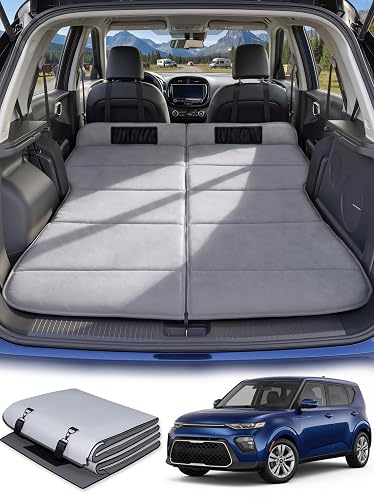
Your sleep setup decides whether the trip feels fun or miserable. Pack a tent or a sleeping setup for your vehicle, plus a sleeping pad rated for the coldest night you expect. Bring a pillow, because a rolled-up jacket gets old fast. If you plan to sleep in the back of an SUV or hatchback, check the cargo area’s length and width before you buy a mattress or pad, and measure your own body length against it. For more on that setup, see Suv Car Camping Setup: A Step-by-Step Guide for Beginners.
Shopping for one? See our guide: Car Camping Checklist Essentials: 4 Best Packing Picks for 2026. If you want more background, see Car Camping Equipment List: Packing a Vehicle for a Campsite.
Plan Your Kitchen and Food Storage
A basic camp kitchen needs a stove with fuel, one pot, one pan, a cutting board, a knife, utensils, a lighter or matches, dish soap in a squeeze bottle, and a collapsible wash basin. Pack a cooler with ice or frozen water bottles and keep raw meat on the bottom. Bring a trash bag for every meal and a separate bag for wet trash. Store food in the car or a sealed bin, never in the tent, to limit wildlife visits.
Pack Light, Power, and Safety Gear
After dark, you need light you can use hands-free. A headlamp, a lantern, and spare batteries cover most situations. A first aid kit, a multi-tool, a fire extinguisher rated for small fires, and a flashlight should live in an easy-to-reach spot in the car. Add a phone charger that runs from the car’s 12-volt outlet or a small power bank. Download offline maps before you leave, since cell coverage at most campsites is unreliable.
Organize It All With a Printable Checklist
Group your gear into labeled bins: sleep, kitchen, clothing, tools, and first aid. Load the heaviest bins first and keep the things you need at the campsite, like the stove and lantern, near the back hatch. Use the checklist below before you leave.
- Tent or vehicle sleep setup, stakes, and mallet or rubber hammer
- Sleeping bag or bedding rated for the lowest overnight temperature
- Sleeping pad and pillow
- Stove, fuel, lighter, and a backup source of ignition
- Cooler, ice or frozen water, and a cooler thermometer
- Water: at least 1 gallon per person per day, plus extra for cooking
- Pot, pan, utensils, plates, cups, and a cutting board
- Headlamp, lantern, and spare batteries
- First aid kit, multi-tool, and a fire extinguisher
- Trash bags, toilet paper, and hand sanitizer
For a more detailed version, see Checklist for Car Camping: A Step-by-Step Packing List for Beginners and Car Camping Essentials for Beginners: 12 Items to Pack First.
Recommended gear
- Headlamp: Keeps both hands free for cooking and setup after sunset. View on Amazon
- Insulated cooler: Holds ice longer than a basic cooler, which helps keep food safe over multiple days. View on Amazon
- Camp stove with fuel: Gives you a reliable way to cook when fire bans are in effect. View on Amazon
Common Mistakes to Avoid
- Packing too much food and not enough water.
- Forgetting to check the forecast for overnight lows, not just daytime highs.
- Leaving the cooler lid open while you sort gear.
- Skipping a test setup of the tent at home.
- Storing food inside the tent or leaving scraps near the car.
FAQ
Do I need a special car to go car camping?
No. Most sedans, hatchbacks, minivans, and SUVs work for car camping, though larger vehicles give you more sleeping room. Check your vehicle’s cargo space and make sure your gear fits before you leave.
How much water should I bring?
A common planning figure is about 1 gallon per person per day for drinking and basic hygiene, with extra for cooking and cleaning. Adjust for heat, activity level, and how many days you plan to stay.
Is it safe to sleep in my car while camping?
Sleeping in a vehicle can be comfortable with the right setup, but never run the engine or a heater that burns fuel while you sleep, because of carbon monoxide risk. If you have health concerns or questions about ventilation, consult a qualified professional.
Conclusion
A solid car camping essentials list keeps you focused on sleep, food, light, and safety. Build your packing list around those four categories, then add the extras you enjoy. Check local rules and campground details with the official source before you go.
Ready to choose one?
About Caleb Morgan
Caleb Morgan is part of our editorial team and reviews and edits our camping know-how guides, checking product details against manufacturer specifications and owner feedback.