 By Caleb Morgan
Updated November 2026
Car camping water storage is one of those gear decisions that looks minor until you are standing at a campsite with an empty jug and a pot of pasta waiting. The right container holds enough water for drinking, cooking and washing up, fits in your trunk or cargo area, and pours without a fight. The five picks below were chosen on those criteria: capacity range, spigot or dispensing design, material, portability and the patterns owners tend to report about leaks and durability.
Our top picks at a glance
- 1
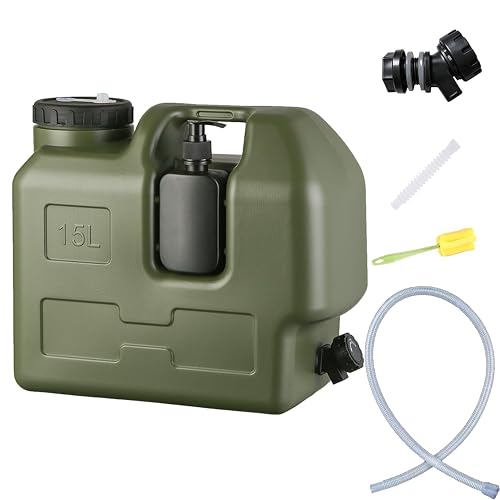 TOP CHOICEBest overallWater Container with Spigot, Camping Water Storage with TapView on Amazon
- 2
 TOP CHOICEBest for collapsing when empty5 Gallon Collapsible Bucket with Handle, Car Wash Bucket Foldable Water Storage ContainerView on Amazon
- 3
 TOP CHOICEBest for dual dispensingUPWOIGH 3.5 Gallon Water Jug with Spigot and Rechargeable PumpView on Amazon
- 4
 Best for large stored supply5-Gallon Stackable Water Storage Containers for Camping and Disaster PreparednessView on Amazon
- 5
 Best for compact tap-style useCOOZMENT 3.2 Gallon Water Containers with Spigot, BPA Free Water JugView on Amazon
Our Top Picks
| Product | Best for | Key feature |
|---|---|---|
| Water Container with Spigot (3.96 gal) | Overall car camping use | Built-in tap, multipurpose |
| 5 Gallon Collapsible Bucket | Saving trunk space | Folds flat when empty |
| UPWOIGH 3.5 Gallon Water Jug | Flexible dispensing | Spigot plus rechargeable pump |
| 5-Gallon Stackable Containers | Stocking water for a long stay | Stacks for compact storage |
| COOZMENT 3.2 Gallon Water Container | Quick pours at camp | Lightweight spigot jug |
Water Container with Spigot, Camping Water Storage with Tap
Water Container with Spigot, Camping Water Storage with Tap, Plastic Water Jug, Multifunction Water Tank for Outdoor, Hiking, Vehicle, Car, Emergency Stroage (3.96 gal-Green)
Best for: Everyday car camping water storage with easy pouring.
This is a good fit for campers who want one container that handles drinking water, dish rinsing and vehicle use without fuss.
Pros:
- Built-in spigot makes filling cups and pots simple
- Sized for a single trunk slot
Cons:
- Spigot seals need occasional checking for drips
5 Gallon Collapsible Bucket with Handle, Car Wash Bucket Foldable Water Storage Container
5 Gallon Collapsible Bucket with Handle, Car Wash Bucket Foldable Water Storage Container for Camping Fishing Beach Gardening, Portable Laundry Wash Basin for RV Cleaning Supplies Swamp Emergency Prep
Best for: Saving trunk space when the container is empty.
Suited to campers with limited cargo room who still want a bucket for washing, rinsing gear or carrying water from a spigot.
Pros:
- Folds flat for storage between trips
- Handle makes carrying full loads easier
Cons:
- Not designed for pouring directly into a cup
UPWOIGH 3.5 Gallon Water Jug with Spigot and Rechargeable Pump
Camping & Emergency Water Storage, Two Dispensing Options, Non-Electric Tap, BPA-Free HDPE, Dual Openings UPWOIGH 3.5 Gallon Water Jug with Spigot & Rechargeable Pump, Olive Green
Best for: Flexible dispensing with or without power.
A solid option for groups who want a gravity spigot as a backup and a pump when they need faster filling.
Pros:
- Two dispensing options in one jug
- Non-electric tap works when batteries are low
Cons:
- Pump is an extra part to keep charged
5-Gallon Stackable Water Storage Containers for Camping and Disaster Preparedness
5-Gallon Stackable Water Storage Containers, Emergency Water Storage for Camping and Disaster Preparedness, 20 Gallons
Best for: Stocking a larger water supply for longer stays.
Best for campers who plan multi-day trips or want reserve water at home and in the vehicle.
Pros:
- Stackable design saves floor space
- Good total capacity for group camping
Cons:
- Heavy when full, so plan your lifting
COOZMENT 3.2 Gallon Water Containers with Spigot, BPA Free Water Jug
COOZMENT 3.2 Gallon/5 Gallon Water Containers with Spigot, BPA Free Water Jug, Military Green Water Tank, Multifunction Water Storage Containers for Camping Outdoor Hiking,Emergency Storage
Best for: Quick pours at the campsite with a lighter jug.
A practical choice for solo or couple campers who need a manageable weight and an easy spigot for coffee and cooking water.
Pros:
- Lighter weight when full than larger jugs
- Spigot pours cleanly into pots
Cons:
- Smaller capacity means more refills on longer trips
Buying Guide
Capacity
Plan roughly one gallon of water per person per day for drinking and basic hygiene, then add more for cooking and washing. Size your container so you can carry or refill without strain.
Spigot and Dispensing Design
A spigot lets you pour without tipping the whole jug. Check that the tap seals well and is easy to clean.
Material and Food-Safe Rating
Look for food-grade plastic such as HDPE and a BPA-free label. Store only drinking water in containers you have confirmed for that use.
Portability and Storage Space
Consider whether the container folds or stacks, and whether it fits your trunk alongside your other gear.
Good picks for this: 5 Gallon Collapsible Bucket and 5-Gallon Stackable Water Storage Containers.
FAQ
Can I store drinking water in any plastic container?
No. Use containers labeled food-grade and BPA-free, and clean them before filling. Avoid containers that held chemicals or non-food items.
How long can water stay in a camping container?
Replace stored water regularly and keep containers out of direct sun and heat. Check your local health authority for specific guidance.
Should I treat water from a container before drinking?
If the water came from an untreated source, treat it first. Consult a qualified professional or your local health department for advice tailored to your situation.
Related reading
- Camping Storage for Car: A Step-by-Step Guide to Organized Gear
- Yosemite National Park Car Camping: A Step-by-Step Guide for 2026
- Winter Car Camping Tips: 9 Steps to Stay Warm and Safe
- Window Coverings for Car Camping: A Step-by-Step Guide to Privacy and Shade
- Where to Put a Car Camping Sticker at Coachella: Placement Tips and Rules
- What to Bring Car Camping: A Practical Checklist for Your First Trip
About Caleb Morgan
Caleb Morgan is part of our editorial team and reviews and edits our camping know-how guides, checking product details against manufacturer specifications and owner feedback.