 By Colin Foster
Updated November 2026
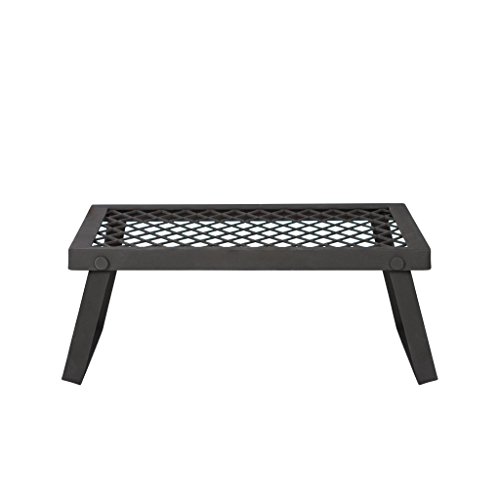
A heavy duty campfire cooking grate gives you a stable, level surface over the coals for steaks, burgers, vegetables and cast iron pans. This guide walks you through choosing the right grate, setting it up over a safe fire and cooking without losing food to flare-ups or uneven heat. Follow the steps and you’ll get consistent results on every camp meal.
What to Look for in a Heavy Duty Grate
Start with the material. Solid steel and cast iron hold heat well and resist warping when they sit over hot coals for an hour or more. Thin wire grates bend under a loaded skillet, so skip them if you plan to cook anything heavy.
Next, check the size. A grate about 18 to 24 inches across gives you room for a Dutch oven and a couple of burgers at once. Measure your fire ring first, because a grate that overhangs the pit by more than a few inches can tip.
Look at the height system too. Adjustable legs or a swing arm let you raise the grate for gentle heat and lower it for searing. Fixed-height grates work fine for simple grilling but give you less control.
Setting Up the Grate Over the Fire
Build your fire and let it burn down to a bed of glowing coals before you cook. Flames scorch food, while coals give steady, even heat. Plan for about 30 to 45 minutes of burn time to reach that stage.
Place the grate on stable ground or on the fire ring supports. Make sure it sits level in every direction and that nothing wobbles when you press on one corner.
Use this quick checklist before you start cooking:
- Grate sits level on the fire ring or legs with no rocking
- Coals are spread in an even layer, roughly 2 to 3 inches deep for most cooking
- A cleared zone of at least 3 feet surrounds the fire
- Water, a shovel and a fire extinguisher or bucket of sand are within arm’s reach
- Heat-resistant gloves are on hand for moving the grate and food
Cooking Techniques on a Campfire Grate
Control the Heat Zones
Rake some coals to one side to create a hot zone and a cooler zone. Sear meat over the hot side, then slide it to the cooler side to finish cooking through. This prevents charred outsides and raw centers.
Raise or Lower the Grate
If you have an adjustable grate, start high for gentle heat on delicate foods like fish or eggs. Lower it when you need a hard sear on steaks. If your grate is fixed, move food closer to or farther from the coals instead.
Check Internal Temperatures
Use a food thermometer for meat. The USDA lists safe minimum internal temperatures of 145°F for whole cuts of beef and pork, 160°F for ground meat and 165°F for poultry. Campfire heat is uneven, so check several spots.
Common Mistakes to Avoid
- Cooking over open flames instead of waiting for coals, which causes soot and burnt outsides
- Placing a heavy grate on uneven ground, leading to tipped pans and spilled food
- Leaving a cast iron grate in a wet spot, which invites rust
- Crowding the grate so food can’t be turned or moved
- Walking away from a fire with cooking gear still hot and unattended
Recommended Gear
A grill grate with a swivel or swing arm lets you move the pan on and off the heat without reaching into the fire. Look for a model with a sturdy hinge and a locking mechanism so it doesn’t drift during cooking. View on Amazon
A cast iron grate retains heat well and gives reliable searing results over coals. Season it before first use and dry it thoroughly after each trip. View on Amazon
Heat-resistant gloves protect your hands when you adjust the grate or flip food. Choose a pair rated for high heat rather than standard kitchen mitts. View on Amazon
For more options, see 7 Best Heavy Duty Campfire Cooking Equipment for Camp Cooks (2026) and Campfire Grate for Cooking: How to Choose and Use One (Step-by-Step). If you’re weighing a swing design, Campfire Cooking Grates Swing Arm: How to Choose, Set Up and Use One covers setup in detail. For cast iron specifically, Cast Iron Campfire Cooking Grate: How to Choose and Use One Safely goes deeper.
FAQ
How high should a campfire grate sit above the coals?
Most cooking works well with the grate 4 to 6 inches above the coals. Lower it for searing and raise it for slower cooking.
Can I cook directly on a heavy duty grate without oil?
Yes, but oil the grate lightly first, especially cast iron, to keep food from sticking. Wipe it clean after cooking to prevent rust.
How do I clean a campfire grate after use?
Scrape off food while the grate is still warm, then wash with hot water and a stiff brush. Dry it completely and apply a thin coat of oil before storing.
Conclusion
A heavy duty campfire cooking grate gives you a level, stable surface for reliable camp meals. Choose the right material and size, set it up over a bed of even coals and control heat by moving food or adjusting height. Check your local fire regulations and consult a professional if you’re unsure about campfire safety.
Related reading
- Swivel Campfire Cooking Grate: How to Choose and Use One Safely
- Sunnydaze Dual Campfire Steel Cooking Grill Grate Swivel System Review (2026)
Ready to choose one?
About Colin Foster
Colin Foster is part of our editorial team and reviews and edits our camping know-how guides, checking product details against manufacturer specifications and owner feedback.