 By Caleb Morgan
Updated November 2026
Solo car camping for women is a practical way to get outdoors on your own terms, with a vehicle that doubles as your shelter, storage and sense of security. In this guide you will learn how to plan a trip, choose a site, set up your car for sleeping, handle nights alone and build the habits that make each trip easier than the last. By the end, you will have a clear first-trip plan you can adjust for your own comfort level.
Why Solo Car Camping Works for Many Women
Car camping removes a lot of the friction that makes solo trips feel intimidating. You do not need to carry a heavy pack, you can keep your gear within arm’s reach, and you have a locking door between you and the outside world. Many women find that a vehicle gives them a sense of control: you can drive away, lock up, or move your site if something feels wrong. That is not the same as being immune to risk, but it does give you more options than a tent in the open.
Shopping for one? See our guide: 7 Best Car Camping Cooler Picks for Every Trip Style (2026).
The trade-off is that you are the only person deciding everything, from when to leave camp to who to tell about your plans. Taking those decisions seriously is what separates a relaxed trip from a stressful one.
Step 1: Plan Your Trip and Tell Someone
Before you pack anything, decide where you are going, when you will arrive, and when you expect to check in again. Share these details with a friend or family member, including the campground name, your vehicle make, model, color and license plate, and the times you plan to check in by phone or message.
Trip planning checklist
- Campground name and the exact site or loop you have booked
- Vehicle make, model, color and license plate number
- Arrival date and time, and departure date
- Daily check-in time (for example, 8 pm each evening)
- A backup plan if you cannot reach the campground by dark
- Emergency contact numbers, including the local non-emergency sheriff line
Check the official campground or land management agency website for current rules, reservation requirements and check-in procedures. Hours, fees and availability change, so confirm them before you leave home.
Step 2: Choose the Right Campsite
For a first solo trip, pick a campground with staff on site, restrooms and showers, and a reputation for being orderly. Developed campgrounds with a host or ranger presence are usually a better starting point than remote dispersed sites. Read recent reviews from a range of sources, but treat them as one input rather than the final word.
What to look for in a site
- A site that is visible from the campground entrance or host area
- Level ground so you can sleep comfortably without tipping forward
- Working lights along the path to the restroom
- Enough space between your site and neighbors that you can leave without driving through their campsite
- Access to a water spigot and a dump station if you plan to stay several nights
If you are considering a campground near a popular destination, you may want to read about specific park rules before booking. For example, Yosemite National Park Car Camping: A Step-by-Step Guide for 2026 explains how reservations and vehicle rules work in one of the most visited parks in the country.
Step 3: Set Up Your Car for Sleeping and Storage
A comfortable sleep setup makes the biggest difference in how rested you feel. Most people sleep in the back seat or cargo area with the seats folded down, a foam or inflatable mattress, and a sleeping bag rated for the lowest overnight temperature you expect. Clear the cargo area completely each night so that you have room to move and a clear path to the door.
Setup steps
- Fold down the rear seats and remove any loose items from the cargo area.
- Lay a mattress pad or foam sleeper flat across the floor, then add a fitted sheet or cover.
- Place a small storage bin near the driver’s seat for your phone, keys, flashlight and water.
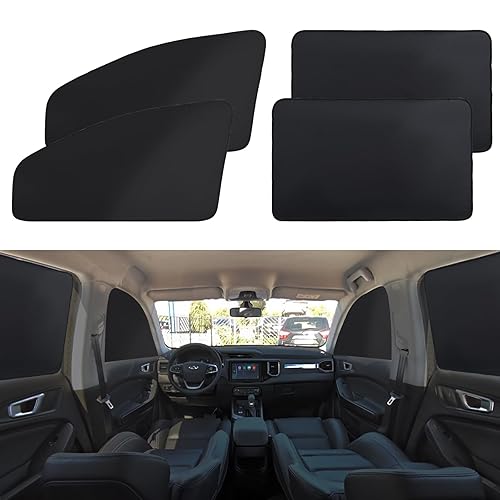
- Hang a light-blocking window cover on each window you use for sleeping. Measure the window first.
- Set up a second bin for food, kept away from your sleeping area.
- Test the setup at home for one night before your first trip.
For privacy and shade, see Window Coverings for Car Camping: A Step-by-Step Guide to Privacy and Shade, which covers how to measure, mount and remove covers quickly. If you drive a smaller vehicle, Toyota RAV4 Car Camping: A Step-by-Step Guide for Beginners and Toyota Corolla Car Camping: Setup, Sleeping and Packing Tips both walk through layouts that fit compact cars and crossovers.
Keep your vehicle ventilated. Crack at least one window or use a window vent to reduce condensation, especially in cold weather. Carbon monoxide poisoning from running an engine or heater in a closed vehicle is a serious risk, so never run a gas engine or propane heater inside a sealed car. If you are unsure about heating or cooling options, consult a qualified mechanic or the vehicle manufacturer before you rely on them.
Step 4: Pack Smart for Solo Travel
When you travel alone, you carry every item yourself, so pack with that in mind. Organize gear into labeled bins, keep frequently used items accessible, and make sure you can reach your keys and phone from the driver’s seat.
Solo camping packing list
- Sleeping bag and pillow, rated for the coldest night of your trip
- Mattress pad, inflatable mattress or foam mattress
- Window coverings and clips
- Headlamp and a second flashlight
- Portable phone charger and car charging cable
- Water containers, roughly one gallon per person per day as a planning figure
- Cooler or 12-volt fridge, plus ice or freezer packs
- Camp stove, fuel, pot, cup and utensils
- First aid kit and any personal medications
- Paper map of the area in case your phone loses signal
- Jumper cables or a portable jump starter, and a tire inflator
- Trash bags and a small bin for recycling
For a broader list covering clothing, cooking and emergency items, What to Bring Car Camping: A Practical Checklist for Your First Trip goes into more detail. If you are still deciding what counts as essential, What Do You Need for Car Camping? 5 Essentials Compared in 2026 compares the core categories side by side.
Step 5: Handle Nights Alone with Confidence
Most solo campers report that the first night is the hardest, and that the second night feels much more routine. A few habits help a great deal. Park in a spot where you can see the campground entrance or host station. Keep your doors locked and your keys within reach. Close your window coverings so people cannot see inside. Keep your phone charged and your check-in schedule visible on your lock screen.
Trust your instincts. If a neighbor’s behavior makes you uneasy, speak to the campground host or staff, or move to a different site. Packing up and leaving at night is a reasonable choice when you feel unsafe, provided you can drive safely. Many campers also keep a loud personal alarm or a whistle within reach, though you should check local rules on carrying any self-defense items.
Consider the mental side as well. Keep a simple evening routine: cook dinner early, clean up before dark, read or journal, and go to sleep at a consistent time. Routines reduce the feeling of being on alert all night.
Step 6: Plan Your Food, Water and Cooking
Pick meals that take little setup and little cleanup. One-pot pasta, wraps, instant oatmeal, canned beans and pre-cut vegetables all work well for a solo trip. Keep raw meat separate from other food, use a food thermometer for cooked meat, and store perishables at 40°F or below. Cook a little less than you think you need, since leftovers are harder to manage when you are alone.
Carry more water than you think you need. In hot or dry climates, plan on a gallon per person per day for drinking, cooking and basic cleaning, and add more if you are exercising or the weather is hot. Refill from a potable water source or bring treated water.
Common Mistakes to Avoid
- Skipping the test night. Sleep in your car in your driveway first to find out what you forgot.
- Keeping your check-in plan vague. Give a specific time and a specific person.
- Choosing a remote site for your first trip. Start with a staffed campground and build up.
- Leaving valuables visible. Store electronics and cash out of sight when you leave the car.
- Ignoring weather forecasts. Check conditions the morning you leave and again the day before you arrive.
- Running a heater or engine inside a closed car. This risks carbon monoxide poisoning.
- Overpacking the cargo area. Crowding your sleeping space makes it harder to rest and harder to get out quickly.
Tips for Your Next Solo Trip
- Keep a dedicated “night kit” in the front seat with a flashlight, water and snacks.
- Learn the campground’s quiet hours and the location of the nearest restroom and water source.
- Save offline maps on your phone before you lose signal.
- Bring a notebook to record what worked, what did not, and what to buy or replace.
- Build up gradually: one night, then two, then a longer trip.
Recommended gear
The items below are general categories that many solo campers find useful. Compare features and check current availability before buying.
- Lantern with a built-in battery: A camping lantern lights the whole site so you are not relying on a single headlamp beam, and it can sit on a table or hook while you cook. View on Amazon
- Window covers for sleeping privacy: Mesh or magnetic window covers block sightlines and sun, and they make it easier to sleep through early light. View on Amazon
- Portable jump starter: A compact jump starter gives you a way to restart your vehicle if the battery drains overnight, which is common after running accessories with the engine off. View on Amazon
- Foam sleeping pad: A closed-cell foam pad adds insulation from the cold floor and does not need inflating. View on Amazon
FAQ
Is solo car camping safe for women?
It can be, especially when you choose staffed campgrounds, tell someone your plans, and keep your vehicle locked and private. No setting is risk-free, so trust your instincts and leave if a situation feels wrong.
What is the best vehicle for solo car camping?
Any vehicle with enough room to lie down comfortably works. Many people use hatchbacks, crossovers and small SUVs. What matters most is that you can fold the seats, sleep flat, and reach your keys and phone easily.
Where should I park at a campground when I am alone?
Choose a site near the entrance, the host station or other occupied sites, with good lighting nearby. Avoid isolated spots at the far end of a loop if you are new to this.
Should I tell people where I am camping?
Yes. Share your campground name, site number, vehicle details and a daily check-in time with a trusted person. This is one of the simplest and most effective safety habits.
How do I stay warm when sleeping in my car?
Use a sleeping bag rated below the lowest expected temperature, add a foam pad under you, and wear dry layers including a hat. Keep a window cracked for ventilation. Never run a gas engine or propane heater inside a closed car.
What if I need help during the trip?
Contact campground staff or the host first. For emergencies, call local emergency services. Save the non-emergency number for the nearest sheriff or police department before you leave home, and check your phone’s signal coverage for the area.
How long should my first solo trip be?
Two nights is a good starting point. It gives you time to settle in and learn your routine without committing to a long stay.
Do I need a permit or reservation?
Many campgrounds and public lands require reservations, and some require permits. Check the official agency or campground website for current requirements well before your trip.
Conclusion
Solo car camping for women rewards careful planning, a comfortable sleep setup and steady habits. Start with a staffed campground, tell someone your schedule, and test your gear before you leave. With each trip you will learn what works for you, and the confidence tends to build quickly. Consult the official campground and agency sites for current rules and details before you go.
Ready to choose one?
About Caleb Morgan
Caleb Morgan is part of our editorial team and reviews and edits our camping know-how guides, checking product details against manufacturer specifications and owner feedback.