By Emily Parker
Updated November 2026
Tips for taking toddler camping come down to one goal: keeping your little one safe, rested and happy enough that you can enjoy the trip too. With the right site, a packing list built around a toddler’s needs, and a realistic plan for sleep and meals, a first family trip can be surprisingly relaxed. The steps below cover what has worked for many families and what to watch for.
Pick the Right Campsite and Timing
Choose a campground with a flat, open site, a bathroom within a short walk and a water spigot nearby. Sites close to the restroom mean fewer late-night trips in the dark. Avoid sites next to water, steep slopes or open fire pits your toddler can reach without supervision. Plan a two-night trip for your first outing so you are not packing up on the second morning when everyone is tired.
Shopping for one? See our guide: Camping in Anza Borrego Tips: 5 Best Guides and Picks Compared (2026).
Plan Sleep Before You Leave
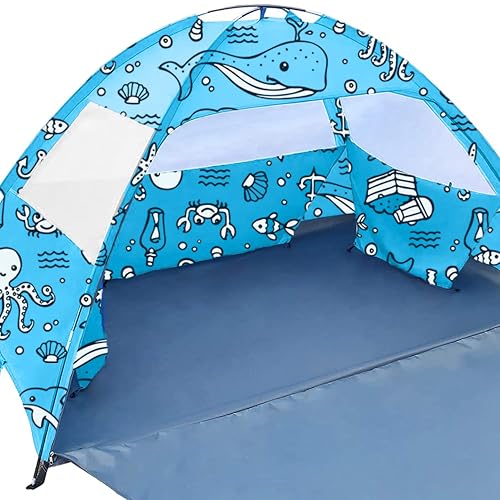
Most toddlers struggle with a new sleeping space, so start practicing before the trip. Bring the same blanket, pajamas and a familiar stuffed animal. A sleep tent or pop-up play yard gives a toddler a defined space and keeps them from wandering at night. Expect a rough first night and keep the bedtime routine identical to home, even if the setting is different.
Pack a Toddler-Focused Checklist
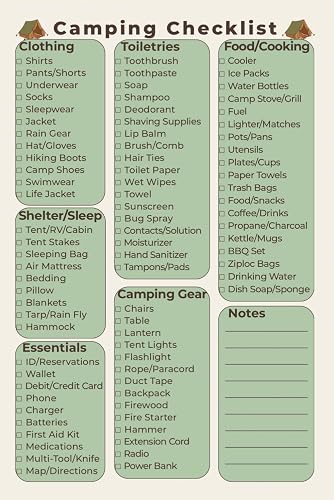
Pack for your child’s needs first. This checklist covers the basics:
- Extra clothing in layers, plus two more sets than you think you need
- Rain layer and warm hat, since nights drop quickly outdoors
- Sleep setup: sleeping bag or sleeping pad, pillow and comfort items
- Diapers or pull-ups, wipes and a plastic bag for dirty clothes
- Bug spray labeled for children and a sunscreen suited to young skin
- First-aid kit with children’s pain reliever and a thermometer
- Headlamp for each adult and a nightlight for the tent
- Water, snacks and familiar foods that require no cooking
Set Up Camp for Safety
Once you arrive, set up the toddler’s sleeping area before anything else, since it is the easiest to keep organized. Keep the tent door zipped or the entrance away from the fire ring and cooking area. Store stakes, knives, tools and fuel out of reach. Establish a simple rule, such as staying within sight of an adult, and repeat it often. Keep a small bin of favorite toys near the picnic table so your toddler has something to do while you cook.
Plan Meals Around Naps and Hunger
Serve meals earlier than you would at home and keep snacks on hand every two to three hours. Pack foods that need minimal prep, such as cheese, fruit, crackers and nut-free spreads. A hungry toddler is often a cranky one, so a steady supply of simple food makes a big difference.
Common Mistakes
- Packing too much gear and not enough extra clothing
- Planning long hikes instead of short walks and play breaks
- Skipping a sleep test at home before the trip
- Letting the campfire become a casual play space
- Forgetting that toddlers get cold faster than adults during the evening
Recommended gear
A portable sleep space keeps a toddler contained and gives you a quieter tent. Look for a pop-up play yard that folds down for transport. A battery-powered nightlight or lantern helps a child feel secure without the glare of a headlamp. Finally, a lightweight camp chair sized for small children gives them a comfortable seat at the table. View on Amazon View on Amazon View on Amazon
For more planning ideas, see Top Tips for Camping With Toddlers: 9 Steps for a Smoother Trip and Tips for Taking a Puppy Camping: 8 Steps for a Safe, Happy Trip if your family includes a pet.
FAQ
What age is best to start camping with a toddler?
Many families begin when their child is between two and three, once they can follow simple rules and sleep reasonably well. Every child is different, so start with a short overnight trip close to home.
How do I keep a toddler warm at night?
Dress them in layers, use a sleeping bag rated for the expected temperatures and add a sleeping pad under them to block ground cold. Keep a hat on for sleep and check their hands and feet periodically.
Should I bring a tent for toddlers or sleep in the same tent?
Many families sleep in the same tent for the first trips so the toddler feels secure. A separate sleep space can work well once your child is comfortable, but test it on a short trip first.
Conclusion
Successful camping with a toddler depends on a well-chosen site, a packing list built around their needs and a sleep plan that starts before you leave. Keep the first trip short, stay flexible and expect things to go slightly off plan. Consult your pediatrician before any trip if your child has health concerns.
Related reading
- Taking Dog Camping Tips: 9 Steps for a Safe, Happy Trip
- Zero Waste Camping Tips: 8 Steps to Leave No Trace on Every Trip
- Yosemite Camping Reservations Tips: A Step-by-Step Guide for 2026
- Yellowstone Tent Camping Tips: 9 Steps for a Safe, Comfortable Trip
Ready to choose one?
About Emily Parker
Emily Parker is part of our editorial team and reviews and edits our camping know-how guides, checking product details against manufacturer specifications and owner feedback.