By Emily Parker
Updated November 2026
Camping safety comes down to a handful of habits practiced consistently: managing fire, storing food properly, planning for weather, staying found, and knowing when to leave. These 20 tips in camping safety cover the most common ways trips go wrong, from a tent fire to a cold night without a warm layer. Work through them before your next trip and you will have a checklist you can reuse every season.
The tips below are grouped by the stage of your trip. Some are one-time preparations, and others are daily routines. None require expensive equipment, though a few items on the gear list will make a real difference if you camp often.
Shopping for one? See our guide: Camping in Anza Borrego Tips: 5 Best Guides and Picks Compared (2026).
Before You Leave: Planning and Preparation
1. Tell someone your plan
Leave a written itinerary with a friend or family member. Include your campsite name, GPS coordinates if available, vehicle make and plate number, the date you expect to return, and the name of the person to call if you miss your check-in. Set a specific time for them to start worrying, such as 24 hours after your planned return.
2. Check the forecast, then check it again
Look at the forecast for the specific elevation and location, not just the nearest town. Mountain and desert weather can shift quickly. Pay attention to overnight lows, wind gusts, and lightning risk. If conditions look marginal, pick a lower-risk date or a more sheltered site. Our guide on Tips for Camping in the Rain: 9 Steps to Stay Dry and Safe covers how to plan around wet forecasts.
3. Research the site rules and hazards
Read the park or campground website for fire restrictions, water safety notices, closed trails, and bear or wildlife rules. Many sites post current alerts that do not appear in search results. If you are heading to a popular destination, Yellowstone National Park Camping Tips: A Step-by-Step Guide for 2026 shows how advance planning affects safety in busy parks.
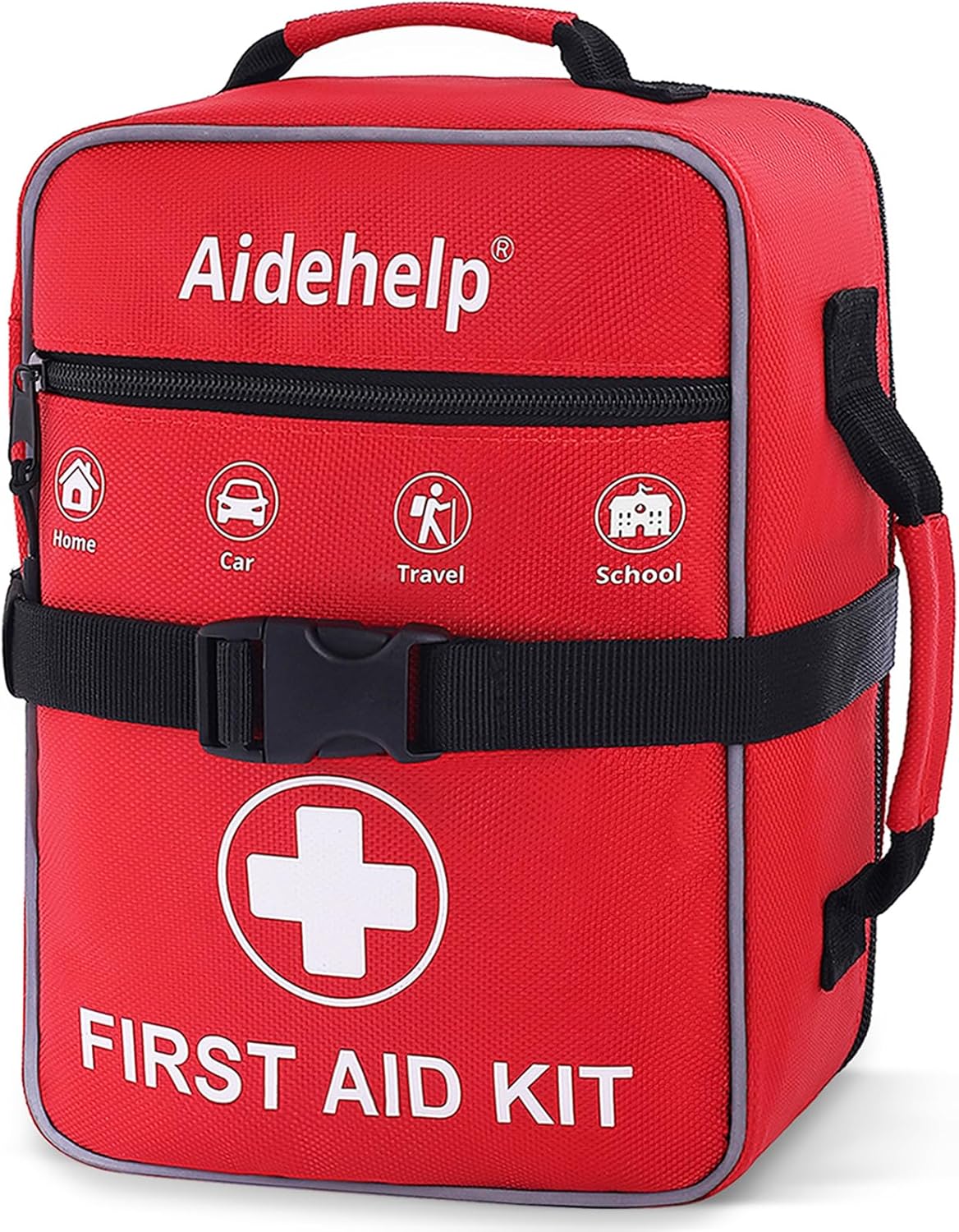
4. Pack a basic first-aid kit and know how to use it
A kit should include adhesive bandages in several sizes, gauze pads, medical tape, antiseptic wipes, tweezers, a digital thermometer, any prescription medications, pain relievers, antihistamines, and a blister treatment. Check expiration dates before each trip. Take a basic first-aid or wilderness first-aid course if you can, because a kit only helps if you know what to do with it.
5. Carry a way to call for help that does not depend on cell service
Many camping areas have no signal. A satellite messenger or personal locator beacon is the most reliable option for remote trips. At minimum, carry a charged phone with offline maps downloaded and a portable battery bank. Know the emergency number for the area, which is 911 across most of the US, and understand that it may not connect from every location.
6. Pack navigation tools and use them
Carry a paper map and a compass, and know how to take a bearing. Download offline maps to your phone, but do not rely on the battery alone. Mark your campsite and your planned route before you leave the trailhead. For trips where you will be off the main road, Tips for Solo Camping: 8 Practical Steps for Your First Trip Alone explains how to build navigation habits into your routine.
7. Check your vehicle before you go
Inspect tires for proper pressure and tread depth, check fluid levels, confirm your spare tire and jack are in working order, and test your lights. If you are towing, verify hitch connections, trailer brakes, and tire pressure on the trailer. A breakdown on a gravel forest road can turn into a serious problem quickly.
At the Campsite: Fire, Food, and Shelter
8. Keep fire well away from tents and vegetation
Set your fire ring at least 15 feet from tents, vehicles, and overhanging branches, and well away from dry grass. Clear a 10-foot circle of flammable material around the ring. Keep a bucket of water and a shovel within arm’s reach. Never leave a fire unattended, and drown it until it is cold to the touch before you walk away or go to sleep.
9. Check local fire restrictions before you light anything
Fire bans change with humidity and wind. Some areas allow only stoves in dry seasons. Check with the land manager before your trip and again on arrival. Using a camp stove when fires are banned is usually allowed, but confirm it.
10. Store food and scented items correctly
In bear country, use a certified bear canister or a hang that puts food at least 10 feet off the ground and 4 feet from the trunk, where the rules require it. Store toiletries, trash, and cooking residue with food. Never keep food in your tent, even in a sealed bag. Wipe down cooking surfaces after every meal.
11. Set up your tent on stable, level ground
Avoid dry creek beds, which can flood with little warning, and avoid low spots where cold air and water collect. Look up for dead branches, called widowmakers, before you pitch. Stake the tent fully and tension the guy lines so the fabric does not flap in wind.
12. Use a carbon monoxide-safe approach to heating
Never run a gas or propane heater, generator, or charcoal grill inside a tent, vehicle, or enclosed shelter. Carbon monoxide is odorless and can kill in your sleep. If you use a heater in a camper, keep a working CO alarm inside and test it at the start of the trip.
13. Keep a headlamp and extra batteries at your bedside
Hands-free light matters in an emergency, whether you need to exit a tent at night, find a trail marker, or treat a minor injury. Keep spare batteries in a sealed bag and check that the light works before you go to bed.
14. Know your water source and treat it
Never assume stream or lake water is safe to drink. Use a filter rated for bacteria and protozoa, a purifier, or a chemical treatment, and follow the product instructions for contact time. Carry more water than you think you need, especially in heat.
On the Trail and in the Environment
15. Dress in layers and watch for weather changes
A base layer, insulating layer, and waterproof shell cover most conditions. Cotton holds moisture and loses insulating value when wet, so synthetic or wool clothing is safer. Watch for signs of hypothermia, including shivering that stops, confusion, and slurred speech. Our article on Tips for Cold Weather Camping: 9 Steps to Stay Warm and Safe covers layering in more depth.
16. Manage heat and dehydration
In hot weather, drink water on a schedule rather than waiting for thirst. Plan strenuous activity for early morning and evening, and rest in shade during midday. Watch for headache, nausea, dizziness, and dark urine as early warning signs. Guidance on heat illness varies by age and health status, so consult a healthcare professional if you have a heart or kidney condition.
17. Keep a respectful distance from wildlife
The general guideline is at least 100 yards from bears and wolves and 25 yards from other large animals, though park rules may be stricter. Never feed wildlife. Make noise on trails in bear country, carry bear spray if local advice recommends it, and know how to use it before you need it.
18. Respect water and avoid swimming alone in cold or fast current
Cold water can cause cold shock and incapacitation within minutes. Strong currents, even in shallow streams, can knock adults off their feet. Wear a life jacket for paddling and never let children near moving water without an adult within arm’s reach.
Staying Safe Through the Night and Going Home
19. Keep a night routine that protects everyone in camp
Before bed, extinguish all fires, store food and trash, turn off stoves and lanterns, and check that your vehicle doors are locked if you are sleeping in it. Tell others in your group where you are going if you need to step out at night. Keep children’s shoes and flashlights near the tent door.
20. Plan your exit and know when to leave
Set a turnaround time for hikes and a rule for when to pack up early because of weather, injury, or illness. Do not push through lightning, flooding, or a deteriorating medical situation to finish a plan. Leave the site as you found it, and make sure your fire is out and your trash is packed before you drive away.
Quick Safety Checklist
| Area | Check before leaving home | Check on arrival |
|---|---|---|
| Communication | Itinerary shared, offline maps saved | Signal location noted, device charged |
| Fire | Fire rules reviewed, stove packed | Fire ring 15+ feet from tent, water nearby |
| Food | Storage containers and bear canister ready | Food stored, scented items secured |
| Medical | First-aid kit restocked and checked | Medications accessible, kit location known |
| Weather | Forecast reviewed for site elevation | Shelter and warm layers ready |
| Vehicle | Tires, fluids, lights inspected | Parked on stable ground, not on dry grass |
Common Mistakes
- Pitching the tent under dead branches or next to a fire ring.
- Assuming cell service will work when you need it.
- Storing food inside the tent or leaving a cooler unlocked in bear country.
- Skipping the forecast check the morning of the trip.
- Leaving a fire that looks out but still has hot coals underneath.
- Drinking untreated stream water because it looks clear.
Recommended Gear
A compact first-aid kit made for camping is the easiest upgrade for most campers, since it puts the right supplies in one place. A satellite messenger is worth considering if you regularly camp beyond cell range. A water filter rated for bacteria and protozoa is essential if you plan to drink from natural sources. A carbon monoxide alarm is the simplest protection if you use any fuel-burning heat in an enclosed space.
- Camping first-aid kit: Pre-packed kits with bandages, wound care, and basic medications save time and cover common injuries. View on Amazon
- Satellite messenger: Two-way messaging and SOS features work where phone service does not reach. View on Amazon
- Portable water filter: A filter removes bacteria and protozoa from natural water sources without chemicals. View on Amazon
- Carbon monoxide alarm: A battery-powered alarm gives early warning if fuel-burning appliances are used in a closed space. View on Amazon
FAQ
How far should a campfire be from a tent?
Keep the fire ring at least 15 feet from tents, vehicles, and any overhanging branches. Clear a larger area of dry vegetation around it and keep water and a shovel nearby.
Is it safe to sleep with a propane heater in a tent?
No. Propane and other fuel-burning heaters produce carbon monoxide and can reduce oxygen in a closed tent. Use a heater only in a well-ventilated space and follow the manufacturer’s instructions, and consider a CO alarm.
What should I do if I encounter a bear?
Stay calm, do not run, and speak in a firm voice. Back away slowly if the bear has not seen you, and give it space to leave. If it approaches, use bear spray if you carry it and follow the park’s specific guidance.
How do I know if my drinking water is safe?
Treat all natural water with a filter, purifier, or chemical treatment before drinking, even if it looks clear. Follow the product’s instructions for contact time and filtration rating.
Can I rely on my phone for emergencies while camping?
Not in many areas. Coverage is often limited or absent in remote campgrounds and trailheads. Carry a satellite messenger or personal locator beacon for areas without reliable signal, and always tell someone your plan.
What are the early signs of hypothermia?
Shivering, numb hands, clumsiness, and confusion are common early signs. If shivering stops while someone is still cold, treat it as an emergency. Move the person to shelter, remove wet clothing, add dry insulation, and seek medical help. A healthcare professional can advise on specific risks for individuals.
Should I leave a campsite if the weather turns bad?
If lightning, flooding, high winds, or dangerous cold are forecast or already happening, it is usually safer to leave or move to a sturdier shelter. Do not wait for conditions to become critical before acting.
Conclusion
These 20 tips in camping safety break down into planning, campsite habits, trail awareness, and a consistent night routine. Start with the checklist and build the habits one trip at a time. Most camping accidents are preventable, and the people who stay safe are usually the ones who prepared before they needed to.
Related reading
- Winter RV Camping Tips: A Step-by-Step Guide to Cold-Weather Trips
- Winter Car Camping Tips: 9 Steps to Stay Warm and Safe
Ready to choose one?
About Emily Parker
Emily Parker is part of our editorial team and reviews and edits our camping know-how guides, checking product details against manufacturer specifications and owner feedback.