By Emily Parker
Updated November 2026
These 5 camping safety tips cover the risks that cause most trouble at campsites: uncontrolled fire, unsafe food storage, bad weather, wildlife encounters and getting lost. By the end of this guide, you will know how to set up a camp that reduces each of these risks, what to pack, and what to check before you leave home. The advice comes from years of running camp programs, where the same small mistakes showed up again and again.
Tip 1: Manage Your Campfire and Cooking Heat Safely
Fire causes more serious camping accidents than almost anything else. Most of them happen not from big bonfires but from stoves tipped over in tents, coals dumped too close to dry grass, or fires left smoldering after everyone goes to bed. Treat every flame and every hot stove as something that can start a fire the moment you stop watching it.
Shopping for one? See our guide: Camping in Anza Borrego Tips: 5 Best Guides and Picks Compared (2026).
Set up a safe fire or stove zone
- Choose a flat, bare spot at least 15 feet from your tent, vehicle, and any overhanging branches.
- Clear a circle of at least 10 feet in diameter of leaves, pine needles, and dry grass.
- Ring the fire with rocks or use a fire pan if the site provides one.
- Never cook inside a tent or enclosed vestibule. Carbon monoxide and fire risk both rise sharply.
- Keep a bucket of water and a shovel within arm’s reach whenever a fire is lit.
Put the fire out completely
Before bed or when you leave, drown the fire with water, stir the ash and coals, and drench them again. Then feel the ashes with the back of your hand. If you feel any heat, keep adding water. A fire that looks out can still be hot underneath, and wind can revive it hours later.
Tip 2: Store Food and Scented Items So Wildlife Stays Away
Food storage protects both you and the animals that live near your campsite. Bears, raccoons, and rodents learn quickly that campsites mean easy meals, and a habituated animal is often a dangerous one. Store everything with a smell, including toiletries, sunscreen, and trash, as if an animal is watching for it.
Storage methods that work
- Hard-sided vehicle: Lock food inside a closed car or truck cab. Do not leave it in an open truck bed or on a roof rack.
- Bear-resistant food locker: Many campgrounds, especially in bear country, provide these. Use them, and close them fully.
- Bear canister: Required in some backcountry areas. Pack it inside your tent only if the area’s rules allow it.
- Hanging: A bear hang requires a line, a stuff sack, and a tree branch far from the trunk. This is harder than it sounds, so practice at home first.
Check the rules for your specific park
Requirements differ widely between parks, forests, and countries. Check the ranger station or official website before you arrive. For example, our guide to Yellowstone National Park Camping Tips: A Step-by-Step Guide for 2026 explains the food storage rules you will need to follow there.
Tip 3: Prepare for Weather Changes Before They Arrive
Mountain and coastal weather can shift within an hour, and temperatures often drop 15 to 20 degrees after sunset. Hypothermia is a real risk even in summer, especially if someone gets wet. Check the forecast the day before you leave and again the morning you head out, and plan for the worst reasonable case.
Pack a weather contingency kit
- Waterproof outer layer and a warm insulating layer, even in summer
- Hat and gloves for everyone
- Tarp and rope for a quick shelter
- Dry bag for sleeping bags and clothes
- Extra stakes and guylines for the tent in wind
Know the warning signs
Watch for darkening clouds, sudden wind shifts, and a drop in temperature. If lightning is possible, leave exposed ridges and open meadows and move to a lower, sheltered area. Stop, rest, and get dry if anyone shivers uncontrollably, slurs speech, or becomes unusually confused. Those are signs of hypothermia, and they need prompt care. Consult a medical professional if symptoms do not improve after warming.
Tip 4: Know Your Wildlife and Keep Your Distance
Most wildlife encounters at campsites are harmless if you stay calm and keep your distance. The real goal is to avoid surprising animals and to never approach them. Learn which animals live in your area before you go, because the right response to a bear is different from the right response to a snake or a moose.
Basic wildlife rules
- Keep at least 100 yards from bears and wolves, and 25 yards from other large mammals such as elk or bison. Those distances are common park guidelines.
- Make noise on trails, especially near streams, blind corners, and dense brush.
- Never feed any animal. Fed animals become aggressive and often have to be removed.
- Keep children close and within sight at all times.
- If you encounter a bear, stay calm, speak firmly, back away slowly, and carry bear spray where it is legal and recommended.
Tip 5: Plan Your Route and Tell Someone Where You Are
Getting lost or injured far from help is one of the most serious camping risks, and cell service is unreliable in many campgrounds. A simple written plan can make a rescue faster and far more likely. Share your itinerary before you leave and stick to it, or update the person you told if plans change.
Build a simple trip plan
| Item | What to include |
|---|---|
| Trip dates | Departure time, return time, and a backup check-in time |
| Campsite details | Name of campground or trailhead, site number if known |
| Vehicle | Make, model, color, and license plate |
| Group | Names and ages of everyone traveling |
| Emergency contact | One person at home with the plan and a rule for when to call for help |
Carry navigation tools that work without signal
A paper map and compass are more reliable than a phone that may have no bars. Download offline maps before you leave, and carry a charged power bank. A whistle, headlamp with spare batteries, and a basic first aid kit complete the essentials. If you are new to camping, our article on Tips for Solo Camping: 8 Practical Steps for Your First Trip Alone covers extra precautions for going out on your own.
Common mistakes
- Assuming a campfire is out because it looks dark. Always drench and check by hand.
- Leaving a toothpaste tube or sunscreen in the tent overnight.
- Pitching the tent under a dead branch or near a dry creek bed.
- Trusting a forecast from the day before without checking again.
- Telling no one your plans because the trip feels short.
- Assuming a bear “won’t come into camp” in areas where bears are common.
Tips for a safer trip
- Run a quick safety briefing with everyone before the first night.
- Mark the nearest exit route and the location of the first aid kit on a map.
- Keep a flashlight by every sleeping bag and a whistle on every person.
- Check each campsite for hazards before setting up, including widowmakers (dead limbs) overhead.
Recommended gear
- Bear spray: A standard canister of bear deterrent is a recommended backup in parks where bears live. Read the label and check local rules before buying. View on Amazon
- Waterproof dry bags: These keep sleeping bags and spare clothes dry during rain or river crossings. View on Amazon
- Headlamp with spare batteries: Hands-free light is essential when you need to move around camp after dark. View on Amazon
- Emergency whistle: A loud whistle carries farther than shouting and uses less energy. View on Amazon
FAQ
What is the most important camping safety tip?
Fire safety is the most critical, because uncontrolled fires can spread quickly and cause serious injury. Keep flames contained, never cook in the tent, and drown and check every fire before you leave it.
How far should I store food from my tent?
Store food in a locked vehicle, a bear locker, or a bear canister whenever possible. In areas without these options, hang food at least 10 feet off the ground and 4 feet out from the trunk, following local guidance.
How do I prevent hypothermia while camping?
Keep dry, wear layers, and eat high-energy food. If someone becomes shivering, confused, or unusually clumsy, move them to shelter, remove wet clothing, and add warm layers. Seek medical care if symptoms persist.
What should I do if I see a bear at camp?
Stay calm, talk in a firm voice, and slowly back away. Do not run or turn your back. Keep children close and move toward a vehicle or building if possible.
Do I need to tell anyone my camping plans?
Yes. Leave a written itinerary with someone at home, including campsite, vehicle details, and when you expect to check in. This speeds up any search if something goes wrong.
Is it safe to camp alone?
It can be, with extra planning. Share your plan, carry reliable navigation, and avoid risky terrain until you have more experience. Our guide to Tips for Solo Camping: 8 Practical Steps for Your First Trip Alone goes into more detail.
What should be in a basic camping first aid kit?
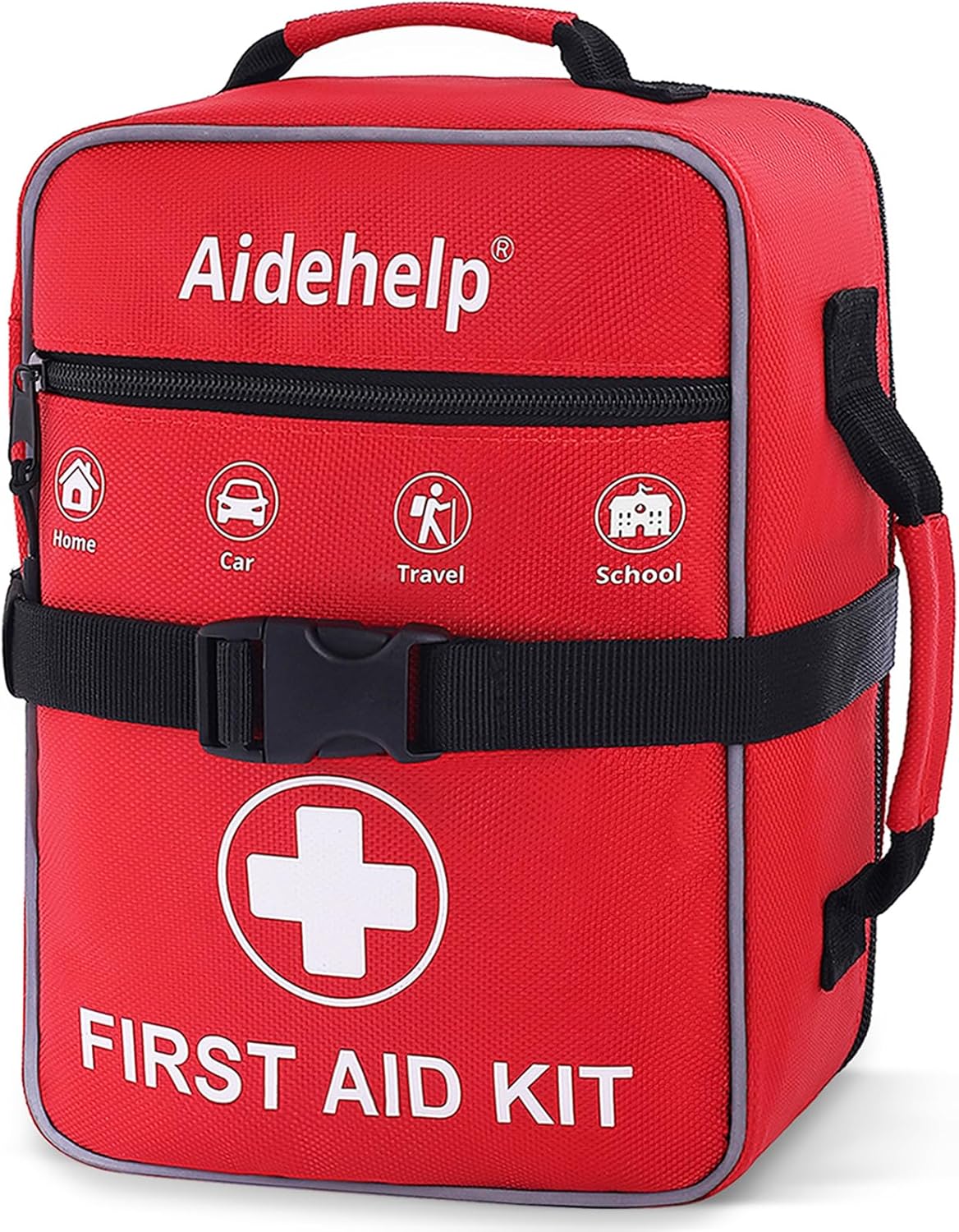
Include adhesive bandages, gauze and tape, antiseptic wipes, pain relievers, any personal prescriptions, tweezers, and blister care. Add a foil emergency blanket and a copy of your emergency contacts.
Conclusion
These 5 camping safety tips address the biggest risks at most campsites: fire, food storage, weather, wildlife, and navigation. Work through them before every trip, and build a short checklist you reuse so nothing gets skipped. A few minutes of preparation at home makes a safer, more relaxed trip possible.
Related reading
- Yellowstone National Park Camping Tips: A Step-by-Step Guide for 2026
- Winter RV Camping Tips: A Step-by-Step Guide to Cold-Weather Trips
- Winter Car Camping Tips: 9 Steps to Stay Warm and Safe
- Winter Camping Tips for Staying Warm: A Step-by-Step Guide
Ready to choose one?
About Emily Parker
Emily Parker is part of our editorial team and reviews and edits our camping know-how guides, checking product details against manufacturer specifications and owner feedback.