By Emily Parker
Updated November 2026
Air mattress camping tips can make the difference between a rested morning and a sleepless night on the ground. With a few setup choices, a basic inflation routine, and some insulation know-how, you can turn a puffy air mattress into a comfortable, stable sleep surface. This guide walks through each step so you can get it right on your first trip.
Choose the Right Mattress and Pump
Start with a mattress built for camping rather than a thin indoor model. Look for a flocked top, which resists sliding, and a thickness of at least 5 inches if you are a side sleeper. Pair it with a rechargeable or 12-volt pump, since hand pumps wear out your arms and sometimes leave the mattress under-inflated. A foot pump works as a backup if your battery dies.
Shopping for one? See our guide: Camping in Anza Borrego Tips: 5 Best Guides and Picks Compared (2026).
Prepare the Sleeping Surface
Most air mattress complaints trace back to the ground underneath. Clear rocks, sticks, and pine cones, then lay down a ground tarp slightly smaller than the mattress so water cannot pool under the edges. Add a closed-cell foam pad on top of the tarp for insulation. The pad keeps cold from the ground pulling heat out of your body, which matters more than most campers expect.
Inflate and Adjust Correctly
Follow this sequence each night:
- Unroll the mattress and let it sit for 10 to 15 minutes so the material warms and relaxes.
- Inflate to about 80 percent of full firmness. Check the manufacturer’s maximum PSI on the valve or label, and never exceed it.
- Lie down, then top off the air until the surface supports you without bottoming out.
- Close the valve fully and press on it once to confirm no air escapes.
Expect the mattress to lose some firmness overnight as temperatures drop. Topping off in the morning is normal and usually takes less than a minute with a pump.
Stay Warm and Protect the Mattress
Cold air inside the mattress chills the air and can make the surface feel hard. A sleeping bag rated for the lowest temperature you expect, plus a fleece liner, usually handles mild nights. Keep sharp objects, pet claws, and sunscreen away from the fabric, and lay a sheet or blanket over the surface to reduce friction.
Packing and Storage
Deflate the mattress completely, starting from the far end and rolling toward the valve to push out trapped air. Dry it fully before rolling it tight, since trapped moisture encourages mildew. Store it loosely folded rather than compressed into a tight bundle.
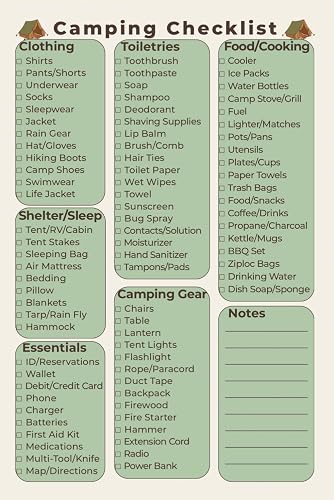
Checklist for Your Air Mattress Setup
- Air mattress rated for your body weight and sleep style
- Pump (12-volt, rechargeable, or foot pump)
- Repair patch kit
- Ground tarp, slightly smaller than the mattress
- Closed-cell foam pad
- Sleeping bag and fleece liner
- Protective sheet or blanket
Common Mistakes
- Skipping the ground pad, which leaves you cold and makes the mattress wear faster.
- Overinflating, which stresses seams and can cause the valve to fail.
- Inflating in direct sun at midday, then sleeping on a mattress that loses firmness at night.
- Packing the mattress while still damp, which invites mildew.
- Forgetting the repair kit, then discovering a slow leak after dark.
Recommended Gear
A 12-volt pump saves effort on nightly inflation and tends to hold a steady pressure. A repair patch kit made for inflatable mattresses lets you fix small punctures on the trail rather than cutting your trip short. A closed-cell foam pad adds insulation under the mattress without taking up much pack space.
For more planning help, see Tips for Tent Camping in Hot Weather: 9 Steps to Stay Cool and Rested if you expect warm nights, or Tips for Staying Warm Camping: 9 Steps for Cold Nights Outdoors if temperatures will drop.
FAQ
Can I sleep on an air mattress in cold weather?
Yes, but insulation matters more than the mattress itself. Use a closed-cell foam pad underneath and a sleeping bag rated for your expected low temperature.
How do I stop my air mattress from losing air overnight?
Check the valve seal and make sure it closes fully. Temperature drops also reduce pressure, so topping off in the morning is normal.
Is it safe to use an air mattress in a tent?
It is generally fine if the tent floor is level and the mattress fits without touching the walls. Keep the area clear of heaters and open flames, and consult the manufacturer’s guidance for any specific safety limits.
Conclusion
Good air mattress camping comes down to four habits: a solid ground layer, insulation underneath, measured inflation, and careful packing. Work through the checklist before each trip and you will spend less time fussing with the mattress and more time sleeping soundly.
Related reading
- Yosemite Camping Reservations Tips: A Step-by-Step Guide for 2026
- Yellowstone National Park Camping Tips: A Step-by-Step Guide for 2026
- Winter RV Camping Tips: A Step-by-Step Guide to Cold-Weather Trips
- Winter Car Camping Tips: 9 Steps to Stay Warm and Safe
Ready to choose one?
About Emily Parker
Emily Parker is part of our editorial team and reviews and edits our camping know-how guides, checking product details against manufacturer specifications and owner feedback.