By Emily Parker
Updated November 2026
Tips for camping in the rain UK come down to three things: pitch smart, keep your sleeping kit dry, and stay on top of moisture before it gets into everything. Follow the steps below and a wet weekend in Wales or the Lake District becomes a manageable trip rather than a miserable one. Most of the work happens before you leave home and during the first hour on site.
Choose and Prepare Your Pitch
Ground position matters more than almost anything else. Look for a flat, slightly raised spot with natural drainage, and avoid hollows, dips and the base of slopes where water collects. Check for overhanging branches that drip long after the rain stops, and keep clear of dead trees.
Shopping for one? See our guide: Camping in Anza Borrego Tips: 5 Best Guides and Picks Compared (2026).
Once you have a spot, walk the perimeter and look for signs of standing water, such as darker soil, moss or reeds. Pitch with the door facing away from the prevailing wind, and set your tent so the groundsheet sits slightly off the ground rather than flat in mud.
Waterproof Your Tent and Groundsheet
Before you pitch, check the tent’s seams and the fly sheet. Many tents lose their waterproofing over time, so a spray-on seam sealer applied to the seams on a dry day can prevent leaks. Use a footprint or a separate groundsheet under the tent, but trim it slightly smaller than the tent base so rain does not pool between the two layers.
Tighten the fly sheet so it does not touch the inner tent, since contact creates a wick for water. Pitch the rainfly low and taut, and use all the guy lines. Manufacturers generally specify the fly-to-inner clearance, so follow their guidance on tensioning.
Protect Your Sleeping Kit and Gear
Keep sleeping bags and spare clothes in dry bags or heavy-duty plastic bags, and store them inside the tent at the far end from the door. Pack a second set of dry clothes and wool socks in a separate bag that stays shut until bedtime.
Use a waterproof cover or a large bin liner for your rucksack, and keep wet items like jackets and boots in the porch or a covered area. Anything that gets soaked should be hung to dry as soon as you have shelter, not left bundled up.
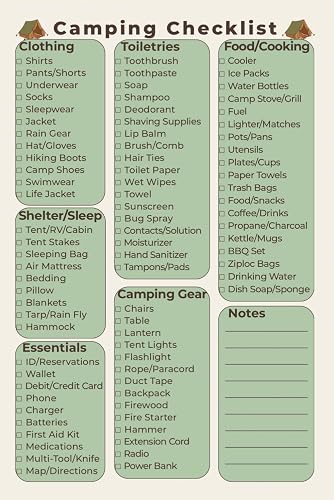
Essential Rain Camping Checklist
- Tent with a full-coverage rainfly and taut guy lines
- Footprint or groundsheet, trimmed to sit under the tent base
- Seam sealer and a repair kit with tape and a spare pole sleeve
- Dry bags or sealed bags for sleeping gear and spare clothes
- Waterproof jacket, overtrousers and waterproof boots
- Head torch with spare batteries, and a small mop or microfibre towel
- Cooking shelter or gazebo with sides for wet-weather meals
Cook and Live Safely in Wet Weather
Never cook inside a tent or porch, as carbon monoxide and fire risk make this dangerous. Set up a cooking shelter well away from the tent and keep stoves on a stable, level surface. Gas stoves perform poorly in cold, wet conditions, so consider a windproof stove and allow extra fuel.
Keep a towel and a small bucket by the door so you can dry boots and clean mud off before entering. A little discipline here keeps the sleeping area dry for the whole trip. For cold-weather overnight tips, see Winter Camping Tips UK: 8 Steps to Stay Warm and Safe.
Common Mistakes to Avoid
- Pitching in a dip or at the bottom of a slope, where water runs in overnight.
- Letting the rainfly touch the inner tent, which causes condensation and leaks.
- Storing wet clothes in a bag with dry ones, so everything ends up damp.
- Cooking under canvas or inside the tent porch, which is a serious safety hazard.
- Skipping a test pitch at home, so you discover leaks only once it is raining.
Recommended Gear
A footprint keeps the tent floor clean and dry and protects it from sharp stones. View on Amazon
A sealed dry bag keeps sleeping bags and spare layers dry even when everything else is wet. View on Amazon
A tent seam sealer helps renew waterproofing on older tents before a wet trip. View on Amazon
FAQ
Can you camp safely in heavy rain in the UK?
Yes, provided your tent is waterproof, you have pitched on well-drained ground, and you avoid areas at risk of flooding. If rain is forecast to be very heavy, consider moving to a campsite with hardstanding or waiting it out in a safer location. Check the Met Office and local flood warnings before you set off.
What is the best way to stop condensation in a tent in the rain?
Ventilation is the key. Leave a vent or door partly open, avoid touching the inner tent walls, and keep wet gear out of the sleeping area. Good airflow matters more than sealing the tent tightly.
Should I cancel a camping trip if it is raining?
Not necessarily, as many experienced campers enjoy wet trips with the right kit. Cancel if forecasts show severe weather, flood risk or strong winds, and always prioritise safety over a booking.
Conclusion
Pitching on well-drained ground, keeping the rainfly taut and sleeping gear sealed will do most of the work for you. Cook only in a separate shelter and check the forecast before you leave. With these habits, a rainy UK trip can still be comfortable and safe.
Related reading
- Tips for Camping in the Rain: 9 Steps to Stay Dry and Safe
- Yosemite Camping Reservations Tips: A Step-by-Step Guide for 2026
- Yellowstone National Park Camping Tips: A Step-by-Step Guide for 2026
- Winter RV Camping Tips: A Step-by-Step Guide to Cold-Weather Trips
Ready to choose one?
About Emily Parker
Emily Parker is part of our editorial team and reviews and edits our camping know-how guides, checking product details against manufacturer specifications and owner feedback.