By Emily Parker
Updated November 2026
Yellowstone tent camping tips come down to three things: picking the right campground, storing food so bears stay away, and packing for weather that can swing 30 degrees in a single day. Follow the steps below and you will arrive with a site that suits your group, a camp that meets park food-storage rules, and a sleeping setup that keeps you warm at elevation.
Choose the Right Campground Before You Go
Yellowstone has several campgrounds, and they differ a lot. Some take reservations months ahead, while others run first-come, first-served. Check the National Park Service site for current openings and closures, since some loops close seasonally. For a full walkthrough of booking and site selection, see Yellowstone National Park Camping Tips: A Step-by-Step Guide for 2026 and Tips for Camping at Yellowstone: A Step-by-Step Guide for First-Timers.
Shopping for one? See our guide: 6 Best Tent Camping Tips for Beginners in 2026.
Plan Your Tent Setup for Yellowstone Conditions
Most Yellowstone campgrounds sit between roughly 6,000 and 8,000 feet, so nights stay cold even in July. Bring a tent with a full rainfly and a solid floor, and pitch it on flat ground away from drainage lines. Pack a sleeping bag rated at least 10 degrees Fahrenheit below the lowest forecast temperature.
Store Food and Scented Items Correctly
Bear safety is the rule that matters most here. Every campsite has a metal food storage box, and park regulations require you to use it for all food, coolers, toiletries, trash and anything with a scent, including toothpaste and bug spray. Never leave food in your tent or car, and do not store it in an unattended vehicle that is not a hard-sided car. Keep your cooking area clean and wipe down the picnic table after every meal.
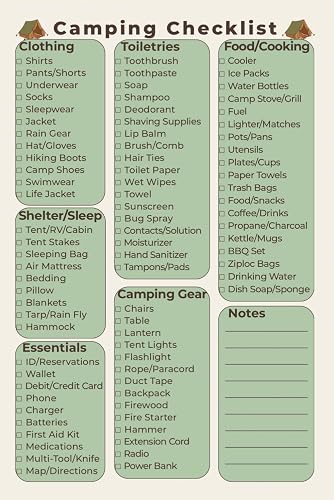
Quick food-storage checklist
- Keep all food and scented items inside the metal box when you are not using them.
- Store cooler lids closed and never leave one out overnight.
- Pack out all trash in sealed bags and dispose of it in bear-proof bins.
- Cook at least 100 yards from your tent, and clean dishes right away.
Prepare for Cold, Wind and Altitude
Weather changes fast in the park. Afternoon thunderstorms are common in summer, and snow can fall in any month. Pack layers, a warm hat, a rain shell and extra socks. Drink more water than you think you need, and rest on your first day, because mild altitude symptoms like headache and fatigue are common for visitors arriving from lower elevations. If symptoms become severe, seek medical care right away.
| Item | Why it matters |
|---|---|
| Full rainfly and stakes | Keeps wind and rain out during storms |
| Sleeping pad with insulation | Blocks cold from the ground |
| Headlamp with spare batteries | Needed for night trips to the restroom |
| Bear spray | Recommended for hiking in bear country |
Keep Your Campsite Safe and Tidy
Store your gear inside the tent or car, not outside where wildlife can investigate it. Keep a distance of at least 100 yards from any animal, and never approach bison or elk, even when they appear calm. Make noise when walking at dawn or dusk. Check the campground bulletin board for recent bear sightings each morning.
Recommended gear
A closed-cell foam pad adds insulation without much bulk, and it works well under an air mattress in cold ground. View on Amazon
A bright headlamp keeps your hands free for zipping the tent and handling food boxes after dark. View on Amazon
Bear spray is the standard deterrent recommended for hiking trails in bear country. View on Amazon
Common Mistakes to Avoid
- Leaving toothpaste, sunscreen or lip balm in the tent, since these are scented and count as food.
- Pitching in a low spot where cold air and rain collect.
- Underestimating overnight lows at elevation and bringing a summer bag.
- Skipping the campground bulletin board for bear and road closure notices.
FAQ
Do I need a bear canister for tent camping in Yellowstone?
Each campsite provides a metal food storage box, and you should use it for all food and scented items. Some backcountry permits require a canister, so check the rules for your specific trip.
What is the best time of year to tent camp in Yellowstone?
Summer, roughly July through early September, offers the most open campgrounds and the mildest days. Nights stay cold year-round, so plan for that whatever month you visit.
Can I cook inside my tent?
No. Cooking inside a tent is unsafe because of fire and carbon monoxide risks, and it attracts wildlife. Cook outdoors at a safe distance from your tent.
Conclusion
Successful Yellowstone tent camping depends on booking the right site, storing food correctly and preparing for cold nights at elevation. Follow the checklists above and you will spend more time enjoying the park and less time worrying about the weather or wildlife. Always confirm current rules and closures with the National Park Service before you leave.
Related reading
- Tips for Winter Tent Camping: 9 Steps to Stay Warm and Dry
- Tips for Tent Camping with Dogs: 9 Steps for a Safe, Comfortable Trip
- Tips for Tent Camping in Hot Weather: 9 Steps to Stay Cool and Rested
- Tips for Camping in a Tent: 9 Steps for a Comfortable First Night Outdoors
Ready to choose one?
About Emily Parker
Emily Parker is part of our editorial team and reviews and edits our camping know-how guides, checking product details against manufacturer specifications and owner feedback.