By Emily Parker
Updated November 2026
First time camping tips from Reddit beginners and veteran campers tend to repeat the same core advice: test your gear before you leave, pick an easy campsite, and pack more food and warm layers than you think you need. This guide turns that common advice into nine steps you can follow for a calm, enjoyable first night outdoors. If you have already read a few of the threads, you will recognize most of the points here, along with the reasons behind them.
Step 1: Choose a Forgiving Campsite
The most repeated advice in beginner threads is to start close to home and near facilities. A campground with running water, a restroom, and a short drive from your house lets you solve problems without abandoning the trip. Look for a site with a level tent pad, some shade, and a fire ring if fires are allowed. Our guide on First Time Tent Camping Tips: 10 Steps for a Comfortable First Night covers site selection in more detail.
Shopping for one? See our guide: Camping in Anza Borrego Tips: 5 Best Guides and Picks Compared (2026).
Step 2: Do a Backyard Setup Before You Leave
Pitch your tent in the yard at least once before the trip. Many first-timers discover a missing stake, a zipper that sticks, or a pole that does not fit the sleeve only when it is dark and windy at the campsite. Practicing also shows you how long setup takes, which matters when you arrive late in the afternoon.
Step 3: Pack a Layered Sleep System
Cold nights catch beginners off guard. Bring a sleeping bag rated a few degrees below the lowest forecast temperature, a sleeping pad with real insulation, and a warm hat. Ground cold pulls heat out of your body faster than air, so the pad often matters more than the bag. Wear dry base layers to bed rather than the clothes you hiked in. For another angle, check out Frizcol 3-in-1 Camping Fan: Setup, Power Use and Tips for Hot Nights.
Step 4: Build a Simple Packing List
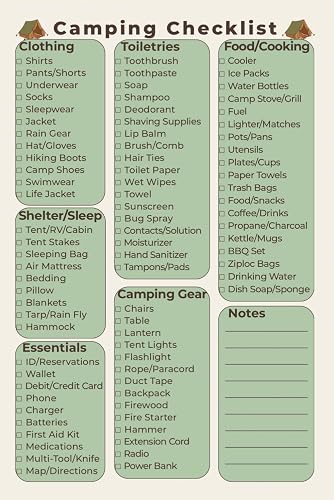
Forum users consistently recommend a written checklist. Include these essentials:
- Tent, stakes, and a mallet or rock to drive them
- Sleeping bag, pad, and pillow
- Headlamp plus spare batteries
- Water, at least 1 gallon per person per day for drinking and cooking
- First aid kit, sunscreen, and bug spray
- Fire starter, matches in a waterproof case, and a lighter
- Trash bags, a roll of toilet paper, and hand sanitizer
- Rain shell and extra dry socks
Step 5: Plan Meals That Need Little Cleanup
Beginners often plan elaborate dinners and then run out of daylight. Stick to foods that need one pot or no cooking at all. Instant oatmeal, tortillas with cheese and salami, pre-cooked rice packets, and trail mix all work well. Freeze water bottles overnight to keep your cooler cold, and let them double as drinking water as they thaw.
Step 6: Handle Food Storage Correctly
Store all food, toiletries, and scented items in your vehicle or a bear-resistant container, depending on local rules. Never keep food in your tent. Check whether the campground has food storage lockers or specific requirements before you arrive, since regulations vary by park. Consult the campground ranger or posted notices for local guidance.
Step 7: Learn Basic Campfire Safety
Only build fires in designated rings or where your campground permits them. Keep a bucket of water and a shovel nearby, clear a circle of at least 10 feet of flammable material, and never leave a fire unattended. Drown the fire until it is cool to the touch. Burn-ban rules can change quickly, so check current conditions before you pack firewood.
Step 8: Set Realistic Goals for Day One
Plan to arrive early enough to set up in daylight, cook one simple meal, and go to bed at a reasonable hour. Many Reddit beginners report that their first trip felt worse only because they tried to hike, cook, and explore on the same afternoon. A short walk around the campground is a fine first-day activity.
Step 9: Tell Someone Your Plans
Share your campsite name, the dates, and when you expect to check in. Save the campground phone number and note the nearest hospital. Cell service is unreliable at many sites, so download offline maps before you leave.
Common Mistakes First-Time Campers Make
- Underestimating how cold the ground and night air will feel
- Packing too much gear and too few basics like lighting and water
- Choosing a remote site on the first trip
- Skipping a setup practice run at home
- Storing food in the tent
Recommended Gear
- Insulated sleeping pad: Adds the ground insulation that most beginners underestimate. View on Amazon
- Rechargeable headlamp: Keeps both hands free for setup and cooking after dark. View on Amazon
- Collapsible water container: Makes it easy to carry and store water for cooking and cleanup. View on Amazon
FAQ
How long should a first camping trip be?
One or two nights is a good length for a first trip. It gives you enough time to learn the basics without making a problem stretch into a miserable weekend.
Do I need expensive gear to start camping?
No. Many beginners borrow a tent or rent gear for the first trip. Focus on warmth, a dry place to sleep, and reliable light before buying anything new.
What should I do if the weather turns bad?
Check the forecast before you leave and pack a rain shell and a tarp. If conditions become unsafe, pack up and drive to a hotel or home. Consult local park authorities for severe weather guidance.
Conclusion
Good first time camping tips come down to preparation, a forgiving site, and realistic expectations. Practice your setup, pack for cold nights, and keep your food secure. Your first trip does not need to be perfect to be worth repeating.
Related reading
- First Time Travel Trailer Camping Tips: 9 Steps for a Smooth Trip
- First Time RV Camping Tips: 10 Steps for a Stress-Free Trip
- First Time Family Camping Tips: 10 Steps for a Smooth Trip
- First Time Camping Tips: 10 Steps for a Smooth First Trip
- Camping in Namibia Tips: A Step-by-Step Guide for First-Time Visitors
Ready to choose one?
About Emily Parker
Emily Parker is part of our editorial team and reviews and edits our camping know-how guides, checking product details against manufacturer specifications and owner feedback.