By Emily Parker
Updated November 2026
Zero waste camping with kids comes down to one goal: bring in only what you can take back out. With a few changes to how you pack food, dishes and snacks, your family can produce a small bag of trash or none at all over a weekend trip. Kids often enjoy the job, too, once they know their role.
Plan Your Packing Before You Shop
Start with a list of every meal and snack for the trip, then decide which packaging you can avoid. Buy in bulk where you can, and repackage dry goods into reusable containers at home. Label each container with a marker or a strip of masking tape so kids know what is inside. Skip single-serve pouches, pre-sliced fruit and individually wrapped cheese.
Shopping for one? See our guide: 6 Best Campfire Survival Cooking Kits for Camping and Emergencies.
If you are new to planning a family trip, the basics in Family Camping Tips: Planning a Trip That Works for Kids will help you build a schedule that leaves room for downtime.
Set Up a Low-Waste Kitchen
Food waste and packaging waste are the two biggest sources of trash on most family trips. Treat them separately.
- Pack produce whole and unpeeled where possible, such as apples, carrots and oranges.
- Use reusable silicone bags or cloth wraps for sandwiches instead of plastic wrap.
- Bring a few glass or stainless steel jars for leftovers, oil and sauces.
- Carry a small compost bag or plan to pack out food scraps, depending on what the campground allows.
Check the rules for your specific site before you commit to composting or burying scraps. Many parks require you to pack out all food waste.
Involve Kids in the Trash Plan
Kids handle zero waste better when they have a job. Give each child a responsibility, such as collecting wrappers, sorting recycling or carrying the trash bag to the bear-proof container. Set a rule that anything brought into camp leaves camp, and let them track it on a simple chart. A sealed bag of trash for each kid is a useful way to show how much they generated.
Handwashing and dish routines matter as much as trash. The steps in Camping Hygiene and Waste: Handwashing, Dishes and Leave No Trace cover greywater and soap use that keep your campsite clean.
Use a Simple Trip Checklist
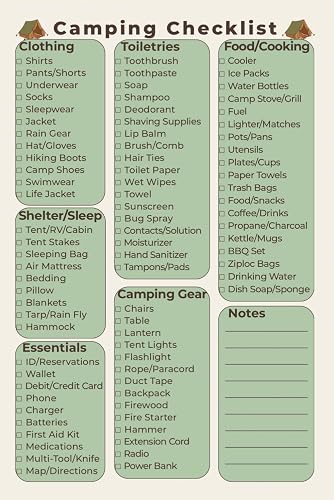
Keep your zero waste plan manageable with this list:
- Reusable water bottles for every person, plus one large refillable jug.
- Cloth napkins and a reusable dish set, or a few enamel plates and mugs.
- A small biodegradable soap and a quart-size wash basin.
- Silicone or cloth food storage bags, plus glass or metal containers.
- A trash bag for each person and a spare for wet items.
- A reusable utensil kit for each child.
- Bulk snacks portioned in reusable containers.
Recommended gear
Stainless steel bottles hold up to repeated use and are easy for kids to refill at a spigot. Look for a wide mouth so cleaning is simple.
Silicone food bags replace plastic sandwich bags and can be washed and reused for many trips.
A camp dish kit with a lidded pot and enamel plates keeps cooking and cleanup simple, and avoids disposable tableware.
Common Mistakes
- Packing too many single-use items “just in case.” Pack for your actual meals and check what you bring.
- Forgetting to pack out wet trash. Use a sealed bag so smells and leaks do not attract animals.
- Buying new reusable gear right before the trip. Test it at home first so kids know how it works.
- Skipping the campground rules. Some sites restrict fires, composting and greywater.
- Letting the plan become a rule kids resent. Keep it playful and praise good effort.
FAQ
Is zero waste camping with kids realistic for a weekend trip?
Yes. Most families can reduce trash to a single small bag over a weekend by planning meals, reusing containers and packing out all waste.
What is the easiest zero waste change to make first?
Swap plastic bags and wrap for reusable silicone bags and containers. It is a simple switch that kids can adapt to quickly.
Do I need special gear to start?
No. Start with what you already own, such as jars, cloth towels and a refillable water jug, and add items as you find gaps.
Conclusion
Zero waste camping with kids works best when you plan meals, pack reusable gear and give everyone a clear job. Start with one trip and one change, then build from there. Over time, the routine becomes second nature and your campsite stays cleaner for the next family.
Related reading
- Yosemite Camping Reservations Tips: A Step-by-Step Guide for 2026
- Yellowstone National Park Camping Tips: A Step-by-Step Guide for 2026
- Winter RV Camping Tips: A Step-by-Step Guide to Cold-Weather Trips
- Winter Car Camping Tips: 9 Steps to Stay Warm and Safe
Ready to choose one?
About Emily Parker
Emily Parker is part of our editorial team and reviews and edits our camping know-how guides, checking product details against manufacturer specifications and owner feedback.