By Brooks Russell
Updated November 2026
If you cook over a fire, you already know the problem: the usual camp menu of hot dogs, instant oatmeal and foil-wrapped potatoes gets old fast. The Campfire Cookbook: 80 Imaginative Recipes for Cooking Outdoors is aimed at people who want more variety from their fire without hauling a pile of specialty gear. This review looks at what the book covers, how it is organized, who will get the most out of it, and who should spend their money elsewhere. It is a research-based review built from the listing details and common owner feedback patterns, not from hands-on kitchen testing.

The Campfire Cookbook: 80 Imaginative Recipes for Cooking Outdoors
Product Overview
The Campfire Cookbook is a single-volume recipe collection focused on cooking outdoors, with eighty recipes presented as the book’s central promise. The title describes the scope: recipes meant for campfire and open-flame cooking rather than a home oven that happens to be carried into the woods. Based on the listing and the way recipe books of this type are usually built, you can expect a mix of breakfasts, mains, sides, and desserts, with an emphasis on methods that work over coals, in foil, in cast iron, or on a grate.
The appeal is variety. Most campers settle into a rotation of three or four meals and repeat them trip after trip. A book with eighty ideas gives you a reason to plan a different menu for each night of a longer trip, or to try one new dish on a weekend outing. The word “imaginative” in the subtitle suggests the recipes lean toward creative combinations rather than basic instructions, which can be fun for experienced campers and a bit intimidating for complete novices.
It is worth setting expectations. This is a printed reference, not a field guide or a lesson in fire building. It assumes you already know how to get a fire to cooking temperature and manage coals. If you are still learning the basics, pair it with a beginner-focused resource. The book works best as a menu planner and idea source that you consult at home before a trip.
Key Features & Specifications
The table below lists only the details that the product title and general listing information make clear. Confirm page count, dimensions, and format on the Amazon listing before you buy, since editions and printings can differ.
| Feature | Details |
|---|---|
| Title | The Campfire Cookbook: 80 Imaginative Recipes for Cooking Outdoors |
| Recipe count | 80 recipes (as stated in the title) |
| Focus | Outdoor and campfire cooking |
| Format | Book (check the listing for paperback or hardcover) |
| ASIN | 1465483969 |
Pros & Cons
Pros
- Eighty recipes give you enough variety to avoid repeating the same camp meals across a full trip.
- The outdoor focus means the recipes are at least aimed at fire and open-flame conditions, not oven-dependent home dishes.
- A printed book is easy to flip through at a picnic table or to photograph pages from before you leave.
- Useful for meal planning: you can build a shopping list for a multi-day trip from a single source.
- Suits a range of trip types, from car camping with a full cooler to a long weekend with a basic fire setup.
Cons
- Assumes you already understand fire management and coal control; beginners may need extra guidance.
- Recipes written for a home kitchen may need adjustment for portion size, gear, and cooking time over an open fire.
- Ingredient lists may call for items that are awkward to keep cold or carry on a backpacking trip.
- Print books cannot be searched by ingredient, so planning requires paging through the index or table of contents.
- Owners sometimes report that certain recipes are more about concept than precise technique, so expect some trial and error.
Performance Analysis
Because this is a cookbook, “performance” means how well the recipes hold up in real camp conditions. Campfire cooking is unpredictable. Heat changes quickly, wind moves smoke and flame, and the temperature under a grate can vary by several inches of height. A good campfire recipe accounts for this by offering flexible timing, visual cues like color and bubbling instead of only minutes, and sensible backup steps. Recipes that depend on exact oven temperatures tend to struggle outdoors.
Owner feedback patterns for camp cookbooks in general tend to follow a few themes. Readers often praise the breadth of ideas and the way a book sparks new menu planning. Complaints usually center on recipes that need more detail about fire setup, or on ingredients that are impractical without a cooler. Some readers mention that a few dishes are better suited to car camping than to backpacking, which is useful to know before you pack.
In practice, expect to treat the book as a starting point. Test new recipes at home on a grill or in a fire pit first if you can. Note the cook times that worked for your fire, and adjust for wind and fuel type. Where the instructions are vague, rely on the general principles of campfire cooking: keep a steady bed of coals rather than open flames, use foil or cast iron to control heat, and pull food before it chars.
For a deeper look at the methods that tend to produce reliable results, see Cooking Over the Campfire: A Step-by-Step Guide for Beginners and Cooking Over a Campfire Equipment: What You Need and How to Use It. Both cover the technique side that a recipe book often assumes you already know.
Who Should Buy This Product?
This book is a good fit for campers who already cook over a fire and want to expand their repertoire. If you have a few reliable meals and are looking for new ideas, the variety of eighty recipes will likely pay off. It also suits families planning longer car camping trips who want menus that feel less like survival food, and scout leaders or group organizers who need a shared source of ideas for multi-day outings.
You should probably skip it if you are brand new to outdoor cooking and want step-by-step instruction in fire management. In that case, start with a beginner guide and add a recipe book later. Backpackers who must keep their pack weight very low may also find the ingredient lists hard to follow, since many recipes assume a cooler and fresh produce. Finally, if you prefer searchable digital recipes or video demonstrations, a print book will feel limiting.
Buying Guide
When choosing a campfire cookbook, look at four things: how much fire experience the author assumes, whether the ingredients suit your style of camping, how the recipes are organized, and whether the instructions give you timing cues beyond fixed minutes. A book that explains heat control and offers visual doneness signs will serve you better in unpredictable conditions than one that only lists times.
Consider also the type of trip you take most often. Car campers can handle heavier ingredients and a full cooler, so a recipe book with more fresh-food dishes will work. Backpackers should look for books that emphasize lightweight, dehydrated, or shelf-stable ingredients. Organization matters too. A book with clear chapters for breakfast, mains, and desserts makes trip planning faster than one arranged by technique alone.
If The Campfire Cookbook does not match your needs, two well-known alternatives are worth a look. The MeatEater Outdoor Cookbook focuses on wild game and meat-heavy recipes for grill, smoker, campstove and campfire, and suits hunters and anglers who cook what they catch.
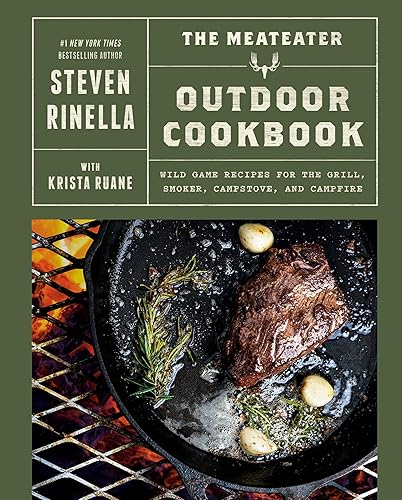
The MeatEater Outdoor Cookbook: Wild Game Recipes for the Grill, Smoker, Campstove, and Campfire
Weekend Camping Cookbook covers over one hundred recipes for campfire and grilling, with make-ahead meals and foil packs, a good choice for families and group trips that want practical, prep-friendly menus.

Weekend Camping Cookbook: Over 100 Delicious Recipes for Campfire and Grilling (Fox Chapel Publishing) Make-Ahead Meals for Outdoor Adventures – Cast Iron Nachos, Bacon S'Mores, Foil Packs, and More
For background on the cooking methods these books rely on, the guide to Foil Packets for Campfire Cooking: A Step-by-Step Guide for Beginners and the overview of Cast Iron Cooking Campfire: A Step-by-Step Guide for Beginners are useful companions.
FAQ
Is The Campfire Cookbook good for beginners?
It can work for beginners who already know basic fire building, but it assumes some experience with coal control and heat management. Complete novices should pair it with a beginner technique guide.
How many recipes are in the book?
The title states eighty recipes. Confirm the table of contents on the Amazon listing if you need a precise breakdown by category.
Can I use these recipes for backpacking?
Some recipes will adapt well to backpacking, but many assume a cooler and fresh ingredients. Look for lightweight substitutions and plan around pack weight before committing to a menu.
Do the recipes require special equipment?
Most campfire recipes rely on common gear such as a grate, cast iron, or heavy-duty foil. Check each recipe’s equipment notes and make sure you have the basics before a trip.
Are the recipes suitable for families with children?
Many campfire meals are family-friendly, and the variety helps keep picky eaters interested. Choose recipes with familiar ingredients for younger kids and involve them in simple prep tasks.
How does this book compare to free online recipes?
A book offers organized, tested-style collections without needing a signal at camp. Online recipes may be more current and searchable, but quality varies, so cross-check timing and technique before relying on them.
Should I buy this or a wild game cookbook?
If you cook mostly store-bought meat and produce, this general campfire book is likely the better fit. If you hunt or fish regularly, a wild game focused title will serve you better.
Is this book useful for car camping specifically?
Yes, car camping gives you room for coolers, cast iron, and fresh ingredients, which suits the range of recipes a book like this tends to offer.
Final Verdict
The Campfire Cookbook: 80 Imaginative Recipes for Cooking Outdoors is a solid choice for campers who already cook over a fire and want more variety than their usual rotation. The eighty recipes give you plenty of ideas for planning trips, and the outdoor focus keeps the menus relevant to camp conditions. Its main limitations are the assumed fire experience and the fact that some recipes will need adjustment for your gear and trip style. If you are ready to move past basic camp meals, it is worth considering. If you are still learning, start with a technique guide and come back to it later.

About Brooks Russell
Brooks focuses on practical advice for camping know-how: what matters before you buy, what to skip, and how to get more out of what you already own.