 By Caleb Morgan
Updated November 2026
The best hybrid for car camping is the one that matches how you actually sleep, cook and store gear, not the one with the most features on paper. In this guide you will learn how to judge a hybrid vehicle for overnight camping, what features matter most for sleeping and storage, and how to test your setup before you leave for a trip. Think of it as a counselor’s walk-through of the questions to ask before you commit to a vehicle.
What “Hybrid” Means for Car Camping
Hybrid can mean two different things to campers, and mixing them up leads to bad decisions. A hybrid powertrain combines a gasoline engine with an electric motor and battery, which mostly helps fuel economy and quiet low-speed driving. A camping hybrid, in the more common sense, is a vehicle or setup that blends a regular passenger vehicle with sleeping and storage features, such as a crossover with a flat-folding rear seat or a wagon with a cargo platform.
Shopping for one? See our guide: 7 Best Car Camping Cooler Picks for Every Trip Style (2026).
For this guide, we focus on the second meaning: a vehicle you can drive daily that also works as a bed and gear hauler on weekend trips. The powertrain still matters, because it affects how you plan engine run time for heating or charging gadgets, but sleeping comfort and interior layout matter more.
Step 1: Decide How You Will Sleep
Your sleep setup drives almost every other choice. Before you compare vehicles, decide which of these you plan to use most often:
- Reclined seats: Simple and cheap to set up, but rarely comfortable past one night.
- Flat rear seats with a platform: Usually the best balance of comfort and convenience for crossovers and wagons.
- Rooftop tent or bed system: Gives the most room and privacy, but adds height, weight and setup time.
For a flat platform, measure the cargo area at the widest point and the length from the seatbacks to the rear hatch with the seats folded. Most adults need at least 72 inches of length to sleep flat, and many people with longer frames want 78 inches or more. Check the manufacturer’s stated cargo length, then verify it yourself with a tape measure. Manufacturers often measure differently from campers, so trust your own numbers.
If you plan to use a mattress, measure the platform height too. A foam pad that sits two inches lower than the seat backs will leave an uneven surface. For guidance on pads and comfort, see Sleeping Mat for Car Camping: 7 Best Picks for Comfort in 2026.
Step 2: Check Ventilation and Airflow
Condensation is the most common complaint from people who sleep in vehicles. Your breath, body heat and wet gear all add moisture, and a closed hatch can leave you waking up to dripping windows. Look for these features:
- Opening rear windows or a hatch that can be cracked without fully opening.
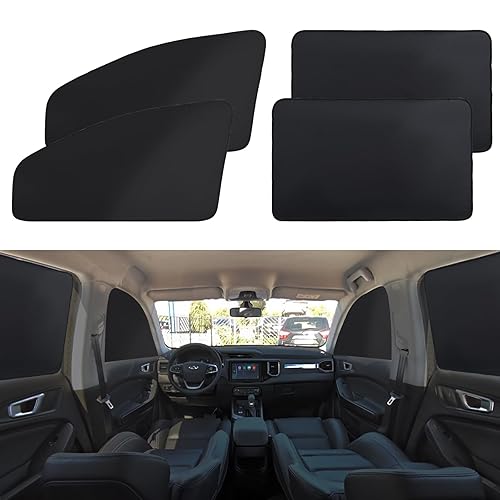
- Enough room to hang a window screen or a bug net without blocking the seat belts.
- A way to run a fan without draining the battery, such as a small rechargeable unit.
Window screens and fans make a big difference in warm weather. Our site covers both in Car Window Bug Screen for Camping: 6 Best Picks for Airflow Without Bugs (2026) and Rechargeable Fan for Car Camping: 5 Best Picks Compared in 2026.
Step 3: Evaluate Storage and Cargo Layout
A good camping vehicle keeps your sleeping gear out of the way while you cook and sit. Walk through a typical trip in your head: sleeping bag and pad, a cooler, a stove and water jug, clothing bags, and a day pack. Then ask whether everything fits without stacking items on your bed.
Measure cargo height as well as length. Many crossovers have a high load floor, which limits how much you can stack under a platform. Also check for:
- Tie-down points or cargo nets to hold gear while driving.
- A cargo cover or privacy shade, so valuables stay hidden.
- Enough space for a kitchen box or cooler without blocking the rear hatch.
If you cook from the back of the vehicle, a dedicated kitchen box keeps prep area organized. See Top 6 Car Camping Kitchen Box Options Compared for Overlanding and Road Trips for layout ideas.
Step 4: Think About Power and Fuel Economy
Hybrids have a real advantage here. Because the gasoline engine shuts off at idle and when coasting, you can often sit at a campsite or in a parking lot with less fuel burned than a conventional vehicle. However, most hybrid vehicles are not designed to run the engine for extended heating or charging. Check your owner’s manual for guidance on idling and accessory use, and follow it.
Plan your power needs before the trip:
- List every device you will charge, such as phones, a lantern, a cooler fan or a CPAP machine.
- Add up the watt-hours each device needs per day.
- Decide whether you will rely on the vehicle’s 12-volt outlet, a portable power station or solar panels.
Medical devices such as CPAP machines have specific power requirements. Consult your doctor or the device maker before relying on a vehicle battery for overnight use.
Step 5: Test Your Setup Before the Trip
Do a full dry run in your driveway. Set up the bed, lay out your gear and sleep in the vehicle for one night if you can. Note any problems: a sleeping pad that slides, a cargo bag that rattles, a window that fogs up. Fixing these at home is far easier than fixing them at a campground after dark.
This is also the time to check tire pressure, make sure your spare is inflated and confirm your roadside assistance coverage, since remote campsites can be far from help.
Quick Checklist: Before You Pick a Hybrid for Camping
- Measured flat sleeping length with seats folded (aim for 72 inches or more)
- Measured cargo height and width at the widest point
- Checked for opening windows or hatch venting options
- Confirmed space for a window screen or bug net
- Listed daily power needs and chosen a power source
- Reviewed the owner’s manual for idling and accessory rules
- Completed a driveway test night
Comparing Common Vehicle Types
| Vehicle Type | Sleeping Fit | Storage | Best For |
|---|---|---|---|
| Compact crossover | Often tight, may need shorter sleeper | Moderate | Solo campers, short trips |
| Midsize crossover | Usually good for a flat platform | Good | Couples, weekend trips |
| Wagon | Long, flat load floor | Very good | Families, gear-heavy trips |
| Hatchback | Limited length | Limited | Minimalist, single sleeper |
These are general patterns, not guarantees. Always measure the specific vehicle you are considering.
Common Mistakes
- Trusting the spec sheet alone. Measure the cargo area yourself with the seats folded.
- Ignoring ventilation. Sealed vehicles collect condensation quickly, so plan airflow before you sleep.
- Overloading the platform. Heavy gear on the bed reduces comfort and can shift while you drive.
- Running the engine to charge devices without checking the manual. Idling can cause problems and wastes fuel.
- Skipping the test night. Small problems are easy to fix at home and miserable on the road.
Tips From the Campground
- Park on level ground and use a leveling block if your platform feels tilted.
- Keep a small bin of nighttime essentials within reach: headlamp, water bottle and a towel for condensation.
- Pack the heaviest items low and forward to keep the vehicle balanced.
- Check local rules before parking overnight, since some areas restrict vehicle sleeping.
- For family trips, see Essentials for Car Camping with Kids: 5 Best Picks for Families (2026) for extra gear ideas.
Recommended gear
A few supplies make a real difference in a hybrid camping setup. Start with a platform or cargo bed system that fits your measured space, then add ventilation and bedding.
- Rechargeable Fan: A small battery fan helps move air when windows are cracked and reduces condensation on warm nights. View on Amazon
- Window Bug Screen: Mesh screens let you keep windows open without inviting insects. View on Amazon
- Sleeping Pad: A thick pad fills gaps between the seats and platform for a more level surface. View on Amazon
FAQ
What is the most important feature in a hybrid for car camping?
Flat sleeping length is usually the most important factor. Measure the cargo area with the seats folded and confirm it fits your body length with a little room to spare.
Can I sleep in any hybrid vehicle?
Most vehicles can be slept in if the seats fold flat and the cargo area is long enough, but comfort varies widely. Compact models often feel tight for taller adults.
Is it safe to run the engine for heat or to charge devices?
Check your owner’s manual first. Many hybrids are not designed for extended idling, and running an engine in an enclosed space carries carbon monoxide risk. Use a battery or power station for most charging needs.
How do I stop condensation inside the vehicle?
Crack at least one window or hatch vent, use window screens, bring a towel and avoid cooking inside the vehicle. A small fan also helps air move.
Do I need a platform or bed system?
A platform makes the sleeping surface flatter and creates storage underneath. Many campers use a simple foam pad with the seats folded instead, which works for shorter trips.
Where can I find out about campground rules?
Check the official website of the park or campground, and call ahead to confirm rules on overnight vehicle sleeping, quiet hours and hookups. Details change, so verify before you go.
Should I read more about car camping destinations first?
Yes. Destination guides can help you plan which vehicle features matter most. For example, see Top 5 Car Camping in Zion Picks for Park Visitors (2026) for ideas on park visits.
Conclusion
The best hybrid for car camping is the one you can measure, sleep in and stock comfortably for your own trips. Start with your sleeping length, plan ventilation and power, and test everything in your driveway. A few hours of preparation will save you a lot of frustration on the road.
Ready to choose one?
About Caleb Morgan
Caleb Morgan is part of our editorial team and reviews and edits our camping know-how guides, checking product details against manufacturer specifications and owner feedback.