By Emily Parker
Updated November 2026
Long term camping tips come down to one goal: setting up your gear, food, power and routines so a trip of several weeks feels like a home you can live in rather than a string of emergencies. Plan the basics before you leave, build a rhythm once you arrive, and you will spend your time enjoying the outdoors instead of hunting for lost supplies. The steps below cover the planning, packing and daily habits that matter most.
Plan Your Supplies and Route Before You Leave
Long trips fail on logistics far more often than on weather. Map out where you can resupply, where water is available and how far apart your campgrounds sit. Plan roughly one resupply stop every seven to ten days, and check that each stop has the groceries, propane or fuel you need. If you are new to extended trips, read Long Term Tent Camping Tips: 9 Steps for Multi-Week Trips for a deeper look at pacing and gear layout.
Shopping for one? See our guide: Camping in Anza Borrego Tips: 5 Best Guides and Picks Compared (2026).
Build a Long-Trip Packing List
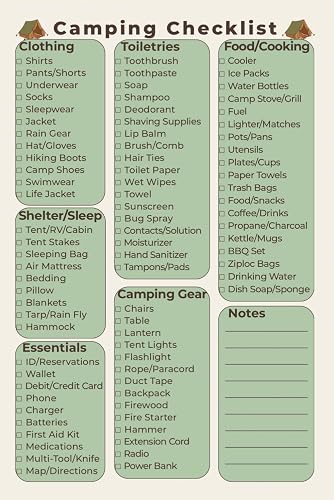
Pack for two weeks, then add a buffer. Keep a master list and check items off as they go into the vehicle. Include these essentials:
- A repair kit with tent patch material, duct tape, zip ties and a spare tent pole sleeve
- Spare batteries, a headlamp for each person and a rechargeable power bank
- A first aid kit stocked for at least a month, with any prescriptions in their original bottles
- Waterproof storage bins labeled by category: kitchen, clothing, tools, medical
- Water filtration or treatment supplies, plus a backup water container of at least five gallons
- Paperwork, maps and a written copy of your itinerary left with someone at home
Organize Food and Water for the Long Haul
Good food planning cuts waste and keeps your cooler from becoming a swamp. Use dry and shelf-stable staples as your base, and freeze meat and water bottles in the cooler so they double as ice. Store food in sealed, rodent-resistant containers and keep anything with a strong smell inside a vehicle or bear-safe locker where required. Check your campground’s rules on food storage before you arrive.
| Item | Storage method | Replace or check |
|---|---|---|
| Dairy and eggs | Cooler with frozen water bottles | Every 3–4 days |
| Bread and produce | Ventilated bin, out of direct sun | Every 2–3 days |
| Dry goods | Sealed plastic totes | Check for moisture weekly |
| Drinking water | Labeled jugs, filtered or treated | Refill at each resupply |
Set Up a Daily Routine and Campsite Layout
Routines keep a long trip from feeling chaotic. Assign a simple daily schedule: breakfast and packing up early, a midday rest, and a set time for laundry, water refills and restocking. Lay out your campsite with a clear cooking zone, a dry gear area and a spot for muddy boots. Store tools and sharp objects in one bin so nothing gets lost in the dirt. A related read: Frizcol 3-in-1 Camping Fan: Setup, Power Use and Tips for Hot Nights.
Handle Laundry and Hygiene
Plan laundry every five to seven days. Pack a collapsible bucket, a small scrub brush and biodegradable soap. Hang wet items on a line in the sun when you can, and bring a second set of clothes so you are never waiting on a single load to dry.
Recommended gear
A heavy-duty collapsible water container makes refilling at resupply stops far easier than carrying cans. A rechargeable lantern keeps your evening lighting steady without burning through disposable batteries. A durable rip-stop tent repair kit covers the small fixes that otherwise cut a trip short.
- Collapsible water container: stores flat when empty and holds several gallons for camp use. View on Amazon
- Rechargeable camping lantern: gives steady light across the whole campsite without constant battery swaps. View on Amazon
- Tent repair kit: handles seam tape and patch fixes on the spot, before small tears spread. View on Amazon
Common Mistakes to Avoid
- Packing for perfect weather only. Bring rain gear and warm layers even if the forecast looks clear.
- Skipping a written itinerary. Someone at home should know where you are and when to expect your check-in.
- Letting trash pile up. Pack out everything you bring in, and empty bins at each town stop.
- Overloading the vehicle. Heavy gear shifts handling and fuel economy, so keep the load balanced.
FAQ
How much food should I bring for a month-long camping trip?
Plan on resupplying every seven to ten days rather than carrying a full month of food at once. Stock shelf-stable staples for the first week and buy fresh items at each stop.
What is the best way to store food while camping for weeks?
Use sealed, rodent-resistant containers for dry goods and a well-insulated cooler for perishables. Follow any bear or wildlife food storage rules posted at your campground.
Should I see a doctor before a long camping trip?
If you have a chronic condition or take regular medication, speak with your doctor or pharmacist before you leave. They can help you plan refills and advise on any special precautions.
Conclusion
Long trips reward preparation. Plan your resupply stops, pack with a buffer and set simple daily routines, and the weeks will run smoothly. Start with the planning steps above, and your next extended trip will feel far more relaxed.
Related reading
- Yosemite Camping Reservations Tips: A Step-by-Step Guide for 2026
- Yellowstone National Park Camping Tips: A Step-by-Step Guide for 2026
- Winter RV Camping Tips: A Step-by-Step Guide to Cold-Weather Trips
- Winter Car Camping Tips: 9 Steps to Stay Warm and Safe
- Winter Camping Tips for Staying Warm: A Step-by-Step Guide
Ready to choose one?
About Emily Parker
Emily Parker is part of our editorial team and reviews and edits our camping know-how guides, checking product details against manufacturer specifications and owner feedback.