By Emily Parker
Updated November 2026
Second beach camping with kids works best when you plan for sun, sand, wind and bedtime before you leave the driveway. This guide walks you through the steps that keep children safe in the water, comfortable at camp and happy enough to ask when you’re going back. Most of the work happens before the trip, so the setup on arrival goes quickly.
Step 1: Check the site rules and conditions
Before you book, confirm whether the campground allows tents, dogs, fires and vehicles on the sand. Check the official site for current hours, reservation rules and any seasonal closures, since these change often. Ask whether there are lifeguards, restrooms and drinking water within walking distance of your site. If you are comparing options, a general overview like Camping at the Beach Tips: 9 Steps for a Safe, Comfortable Trip can help you ask the right questions.
Shopping for one? See our guide: 6 Best Campfire Survival Cooking Kits for Camping and Emergencies.
Step 2: Pick a site that suits small legs
Sites farther back from the waterline usually have softer sand, more shade and fewer blowing particles. Look for a spot with a level pad, a short walk to the bathroom and a clear line of sight to where the kids will play. Avoid sites directly below dunes, where sand can slide and where children may climb and fall.
Step 3: Set up camp for sand and wind
Sand gets into everything, so keep your floor layer separate from your sleeping gear. Stake tents into sand with longer stakes or use sand anchors, and point the door away from the prevailing wind. Set up a shade structure before the kids arrive, since midday sun on bare sand is harder on small bodies than most parents expect. For more on tent setup in loose ground, see Beach Tent Camping Tips: 9 Steps for a Sandy, Windy, Comfortable Trip.
Step 4: Plan water safety and sun protection
- Set a clear rule that no child goes near the water without an adult within arm’s reach.
- Choose a meeting spot at camp and teach children to find an adult in uniform if they get separated.
- Apply broad-spectrum sunscreen rated at least SPF 30 about 15 minutes before going outside, and reapply every two hours or after swimming.
- Pack rash guards, wide-brim hats and sunglasses for everyone.
- Keep a small first-aid kit with rinse water, bandages and any prescribed medication.
Rip currents, cold water and uneven drop-offs can all catch families off guard. Check posted warnings each morning, and consult a medical professional before the trip if your child has a health condition or allergies.
Step 5: Pack the kid-specific essentials
| Category | What to bring |
|---|---|
| Sun and sand | Sunscreen, rash guards, hats, a sand-free change mat |
| Water | Life jackets for weak swimmers, a bright towel, a rinse bucket |
| Sleep | Familiar pillow, nightlight, layers for cool nights |
| Food | Snacks that tolerate heat, sealed water bottles, a small cooler |
Step 6: Keep meals and snacks simple
Pack foods that don’t need refrigeration for long periods, such as nut butter, crackers, dried fruit and hard cheese. Freeze water bottles to act as ice packs, and keep the cooler in shade. Assign each child a snack bag so they can graze without constant requests, and pack more water than you think you need.
Step 7: Build in downtime
Kids tire faster in sun and wind than they do at home. Schedule a midday rest, even if it’s only quiet time in the tent with books. A short nap or a shaded pause often prevents the meltdowns that make the afternoon hard for everyone.
Step 8: Pack out everything you bring in
Beaches are fragile, and sand carries trash and food scraps into wildlife areas quickly. Use a small bag for sandy wipes and shells that go home with you, and teach children to leave dunes and plants alone. Good habits on the first trip make the next one easier to enjoy.
Common mistakes
- Setting up in full sun and planning to add shade later.
- Forgetting that sand holds heat and can burn bare feet by midday.
- Relying on a single adult to watch the water all day.
- Packing too much gear and not enough shade and water.
- Skipping a dry run of the setup at home, which can make the first night on the sand stressful.
Recommended gear
- Sand anchors hold tent stakes in loose ground better than standard pegs. View on Amazon
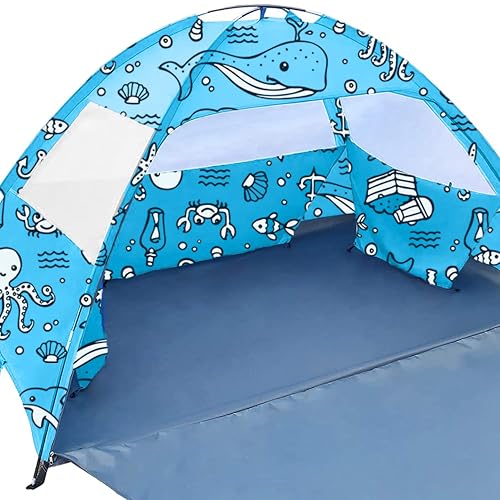
- Pop-up beach shade gives children a shaded play area away from the sun. View on Amazon
- Child-size life jacket is a must for weak swimmers near any water. View on Amazon
FAQ
What age is best for a first beach camping trip with kids?
There is no single right age, but many families find that children around four or five handle sand, wind and bedtime routines more easily. Start with a short, one-night trip close to home to learn what your family needs.
How do I keep sand out of the tent?
Use a doormat at the entrance, shake out bedding before bed and keep shoes outside. A separate floor layer under the tent also helps.
Should I bring a life jacket even if my child is a good swimmer?
Yes, a properly fitted life jacket is a useful layer near open water, especially in waves or cold conditions. Check your local water safety guidance for specifics.
Conclusion
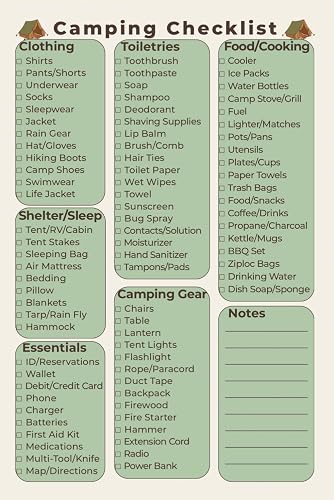
Second beach camping with kids goes smoothly when you choose a sensible site, protect everyone from sun and water, and build in rest. Use the checklist above as a starting point and adjust it for your children’s ages and your campground’s rules. With a little planning, the next trip will feel easier than the last.
Related reading
- Family Camping Tips: Planning a Trip That Works for Kids
- Tips Camping Di Pantai: 9 Steps for a Safe, Comfortable Beach Camping Trip
- Camping on Sand Tips: 9 Steps for a Comfortable Beach Trip
- Camping at the Beach Tips: 9 Steps for a Safe, Comfortable Trip
- Camping Fort DeSoto Tips: 9 Steps for a Smooth Florida Beach Trip
- Beach Tent Camping Tips: 9 Steps for a Sandy, Windy, Comfortable Trip
Ready to choose one?
About Emily Parker
Emily Parker is part of our editorial team and reviews and edits our camping know-how guides, checking product details against manufacturer specifications and owner feedback.