By Emily Parker
Updated November 2026
Travel trailer camping tips and tricks come down to a handful of habits: level the trailer before anything else, plan your water and power, pack with weight in mind, and run a short check before you pull out. Follow the steps below and you’ll cut setup time, avoid the most common headaches, and spend more of your trip actually enjoying the campsite.
Set Up Your Site in the Right Order
Arrive with a plan for where the trailer goes. Drive in slowly, look for overhanging branches, soft ground and slopes, and back in with the hitch end facing the direction you’ll need to leave. Once the trailer is parked, chock the wheels on both sides before you unhitch.
Shopping for one? See our guide: 6 Best Camping Tips and Tricks: Top Picks Compared (2026).
Level the Trailer and Stabilize It
A trailer that sits even makes the fridge work properly and keeps doors from swinging on their own. Use a bubble level on the countertop, or a dedicated leveling app on your phone, and adjust with leveling blocks or ramps under the low wheels. Once level, lower the stabilizer jacks until they just touch the ground, then add the tongue jack or tongue weight support. Don’t use jacks to lift the trailer off its tires.
Plan Your Hookups: Water, Power and Waste
Connect in this order: sewer hose first, then water, then power. Use a pressure regulator on the city water connection, since many campground spigots run above what the trailer’s plumbing can handle. Check the amperage of the site’s power pedestal and set your air conditioner and water heater so you don’t trip the breaker. Keep the sewer hose sloped downhill and wear gloves.
Checklist for Hookups
- Sewer hose connected with a clear slope and a secure cap on the outlet.
- Water regulator in line, then the fresh water hose connected.
- Power cord plugged in, with a surge protector if you have one.
- Propane valve open and a leak check done with soapy water.
- Fridge set to the correct mode for shore power or propane.
Pack and Tow With Weight in Mind
Overloaded trailers sway and wear out tires quickly. Check the gross vehicle weight rating on your tow vehicle and the trailer’s door sticker, then weigh your loaded trailer at a scale if you can. Keep heavy items low and close to the axle, and store water in a tank rather than jugs wherever possible. Tire pressure should match the number printed on the sidewall of the tire and on the trailer’s placard, not the pressure you see on the tire’s maximum rating.
Common Mistakes to Avoid
- Skipping the stabilizer jacks, which lets the trailer rock every time someone walks inside.
- Running the air conditioner on a shared 30-amp pedestal while someone runs a hair dryer.
- Forgetting to close the roof vent before driving.
- Leaving the propane regulator attached but the tank valve open during travel.
- Pulling out without a walk-around to check that the hitch, safety chains and lights are connected.
Recommended Gear
A set of leveling blocks makes the first setup of any site faster and more accurate, and they stack well for uneven ground. View on Amazon
A tire pressure monitoring system gives you early warning of a slow leak or overheating tire while you’re on the road. View on Amazon
A drinking water hose with a built-in filter helps keep your fresh water tank supplied with clean water at campgrounds. View on Amazon
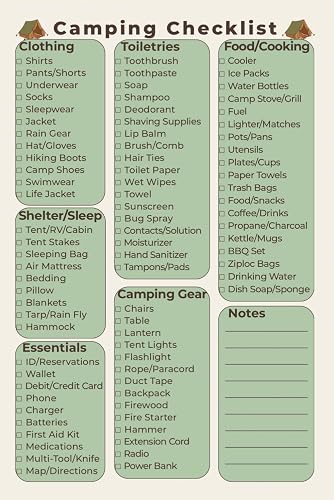
For more on preparation, see Checklist for Camping in a Travel Trailer: What to Pack and Check (2026) and Travel Trailer Camping Tips for Beginners: A Step-by-Step Guide. If you’re camping in cold months, Travel Trailer Winter Camping Tips: 8 Steps to Stay Warm and Safe covers insulation and heating.
FAQ
Do I need to use stabilizer jacks if the trailer is level?
Yes. Level tells you the trailer is even, but stabilizer jacks stop the frame from rocking when people move around inside. Lower them until they just touch the ground.
Which hookup should I connect first at a campsite?
Connect the sewer hose first, then water, then power. This order keeps you from leaving a live connection exposed while you’re still working on the others.
How do I know if my trailer is overloaded?
Compare the loaded weight on a scale with the gross vehicle weight rating on the trailer and tow vehicle. If you can’t weigh it, reduce water and heavy gear until you’re comfortably under the ratings listed in your owner’s manual.
Conclusion
Level the trailer, connect hookups in the right order, and keep your load balanced, and most early trip problems never happen. Build a short walk-around check into every departure, and each trip will go a little smoother than the last. For dealership-level detail on your specific model, consult your owner’s manual or a certified RV technician.
Related reading
Ready to choose one?
About Emily Parker
Emily Parker is part of our editorial team and reviews and edits our camping know-how guides, checking product details against manufacturer specifications and owner feedback.