By Emily Parker
Updated November 2026
Safety tips for camping come down to planning ahead, staying aware of your surroundings, and being ready for the things that go wrong. This guide walks you through nine practical steps, from checking the forecast to setting up a safe campsite and storing food properly. By the end, you will have a clear routine you can follow on any trip, whether you are heading out for a single night or a week in the backcountry.
Step 1: Plan Your Trip and Leave a Detailed Itinerary
Before you pack a single item, decide where you are going, how long you plan to stay, and what route you will take. Write down the campground or trailhead, your planned campsite, the dates, and the names of everyone in your group. Give a copy to someone who is not coming with you and agree on a time they should call for help if they have not heard from you.
Shopping for one? See our guide: Camping in Anza Borrego Tips: 5 Best Guides and Picks Compared (2026). For another angle, check out Camping Weather Safety: Storms, Lightning, Heat and Cold.
Include a few details that rescuers will find useful:
- Make and model of each vehicle, plus license plate numbers
- Your expected return time and a backup time
- Any medical conditions or medications carried by group members
- Your intended route, including trail junctions and water sources
Check whether your campground or park requires a reservation, permit, or fire permit. Many national and state parks update rules seasonally, so confirm current conditions on the official site rather than relying on older guides. Our overview of Tips for Solo Camping: 8 Practical Steps for Your First Trip Alone offers extra planning advice if you are going out alone.
Step 2: Check the Weather and Plan for Changes
Weather is one of the most common sources of camping trouble. Check the forecast for your exact location and elevation within 24 hours of leaving, and check again the morning you depart. Mountain and coastal areas can shift quickly, and temperatures often drop sharply after sunset, even in summer.
Watch for these conditions and adjust your plans:
- Thunderstorms: Avoid exposed ridges, open meadows, and lone trees. Lightning strikes can reach several miles ahead of a storm.
- Heat: Above roughly 90°F, plan hikes for early morning and late evening, and drink water before you feel thirsty.
- Cold: Pack insulated layers rated for temperatures 10 to 15 degrees colder than the forecast low. Our guide to Tips for Cold Weather Camping: 9 Steps to Stay Warm and Safe covers this in more detail.
- Rain and flooding: Do not camp in dry creek beds or low spots that can fill quickly.
Step 3: Build a Campfire Safely
Campfires cause a meaningful share of preventable wildfires, so treat fire as a serious responsibility. Only burn where fires are permitted, and check for fire bans before you leave home, since they can be issued on short notice during dry periods.
Setting Up the Fire
- Choose a established fire ring or a cleared spot at least 15 feet from tents, vehicles, and overhanging branches.
- Clear all leaves, grass, and loose debris from a circle at least 10 feet across.
- Keep a bucket of water, a shovel, and a fire extinguisher within arm’s reach.
- Use only small, dry wood and kindling. Never burn trash, plastic, or treated lumber.
- Never leave a fire unattended, even for a few minutes.
Putting the Fire Out
Drown the fire with water, stir the ashes, and drown it again. Repeat until the ashes are cold to the back of your hand and you can no longer hear hissing or see steam. Ashes that feel cool on the surface can still hold heat underneath, so keep stirring until everything is cold.
Step 4: Store Food and Scented Items Properly
Food storage protects both your supplies and the wildlife around you. Bears, raccoons, rodents, and even birds can learn to associate campsites with food, which creates risk for everyone who comes after you. Store all food, drinks, toiletries, trash, and anything with a scent in a locked vehicle, a bear-resistant container, or a food storage locker where provided.
In areas with bears, keep food at least 100 yards from your sleeping area and cook at least 100 yards away from your tent when possible. Wipe down cooking surfaces and wash dishes right after meals. Never leave food in a tent, even for a short nap.
Step 5: Protect Yourself from Wildlife
Most wildlife encounters end safely if you keep your distance and avoid surprising animals. Give large animals at least 100 yards of space and smaller ones such as squirrels or raccoons enough room that they do not feel cornered.
- Make noise on trails, especially around blind corners and near water, to avoid startling animals.
- Never feed wildlife, even if it looks harmless.
- Keep children close and within sight at all times.
- If you encounter a bear, stay calm, speak firmly, back away slowly, and do not run. Follow the specific guidance posted by the park where you are camping.
Snakes, ticks, and mosquitoes are common in many regions. Wear closed shoes, use a repellent registered with the EPA, and check your body and gear for ticks each evening.
Step 6: Set Up Your Campsite for Safety
A well-organized campsite reduces accidents, especially after dark. Pitch your tent on level ground away from dead branches, standing water, and slopes where runoff collects. Look up before choosing a spot and avoid camping under dead trees or large limbs that could fall in wind.
Campsite Checklist
- Tent staked firmly and guy lines tensioned
- Flashlight or headlamp within reach of your sleeping bag
- Path from tent to bathroom and vehicle kept clear of trip hazards
- Stove used only on a flat, stable surface, never inside a tent or vestibule
- Vehicle keys stored in a known spot
Never run a gas heater, gas lantern, or generator inside a tent or enclosed space. Carbon monoxide can build up quickly and cause serious harm without warning. If you use a heater, follow the manufacturer’s clearance requirements and keep a battery-operated carbon monoxide alarm running in your sleeping area.
Step 7: Carry a First Aid Kit and Know How to Use It
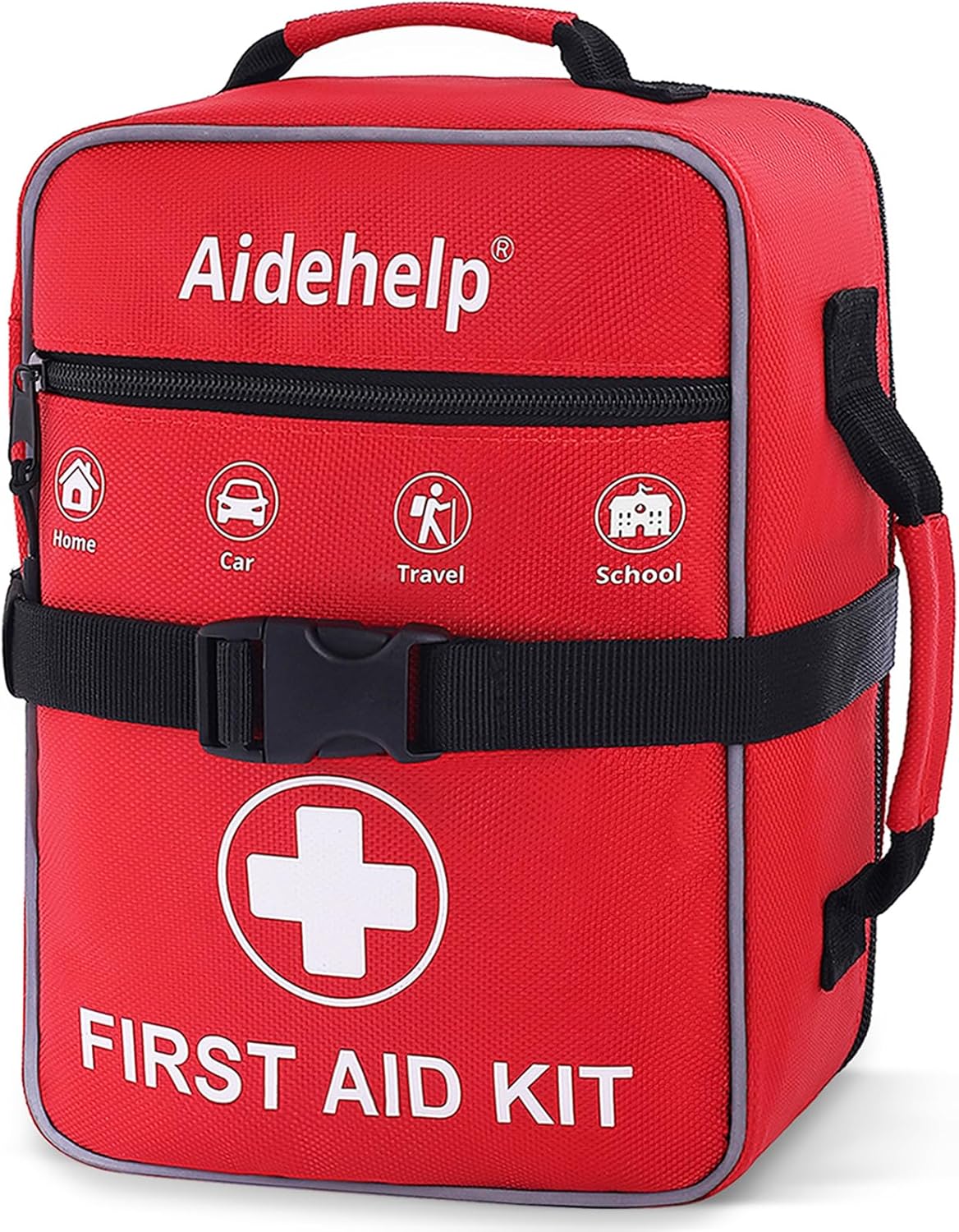
A first aid kit is only useful if you know what is in it and how to use the items. Build a kit sized for your group and trip length, and check it before every outing. Include bandages in several sizes, gauze, adhesive tape, antiseptic wipes, blister care, tweezers, pain relievers, any prescription medications, and a basic guide to treating common injuries.
Consider taking a basic first aid or wilderness first aid course before longer trips. Many community organizations and the American Red Cross offer hands-on training. For anyone with a serious medical condition, speak with a doctor before heading out, and carry a written summary of your medical needs.
Step 8: Stay Found with Navigation Tools
Cell service is unreliable in many campgrounds and nearly nonexistent on trails. Carry a paper map of the area, a compass, and a method for checking your location that does not depend on a phone battery. A GPS device or a satellite messenger can add another layer of backup if you venture into remote terrain.
Download offline maps before you leave and mark your campsite, water sources, and trailheads. Practice using your compass before the trip so you are not learning it in a stressful moment. If you are heading to a park with unfamiliar terrain, such as Yellowstone National Park Camping Tips: A Step-by-Step Guide for 2026, study the park map ahead of time.
Step 9: Carry Water, Plan Hydration, and Watch Your Group
Dehydration sneaks up on campers, especially in heat or at altitude. Plan on drinking at least half a gallon of water per person per day in hot weather and more during strenuous hikes. Treat any water from natural sources with a filter, purifier, or boiling before drinking.
Check on each member of your group regularly. Watch for signs of heat exhaustion, hypothermia, or altitude sickness, including confusion, unusual tiredness, shivering that stops, or headaches with nausea. Stop, rest, and get to a lower or warmer place if you notice these signs. Anyone with symptoms that do not improve should seek medical help right away.
Common Mistakes
- Skipping the trip plan. Telling no one where you are going is one of the most common and most dangerous errors.
- Cooking or heating inside a tent. Stoves and heaters produce carbon monoxide and fire risk in enclosed spaces.
- Leaving food accessible. Even a granola bar left in a tent can draw animals to your campsite.
- Assuming the fire is out. Buried embers can reignite hours later, especially in wind.
- Underestimating weather. Packing only for the forecast high can leave you cold after dark.
- Ignoring small injuries. Blisters and minor cuts can turn into infections or limit mobility on the trail.
Recommended Gear
- Fire extinguisher: A small dry-chemical unit rated for ordinary combustibles gives you a quick way to handle a flare-up at the campfire ring. View on Amazon
- Carbon monoxide alarm: A battery-operated unit is useful if you run any fuel-burning heater or lantern near your sleeping area. View on Amazon
- Bear-resistant food canister: Required in some parks and useful in many others, it keeps food and scented items secure. View on Amazon
- Water filter: A pump or squeeze filter lets you treat natural water without waiting for it to boil. View on Amazon
FAQ
What are the most important safety tips for camping beginners?
Plan your trip, tell someone your itinerary, check the weather, store food securely, and never cook or heat inside a tent. Those five habits prevent most common problems.
How far should I keep a campfire from my tent?
Most safety guidance recommends at least 15 feet from tents, vehicles, and overhanging branches, with the fire ring placed on cleared ground.
How do I know if a campfire is completely out?
Drown the fire, stir the ashes, and repeat until the ashes are cold to the touch and no hissing or steam is present. Keep checking before you leave.
Is it safe to keep food in my tent overnight?
No. Store food, drinks, and scented items in a locked vehicle, a bear-resistant container, or a designated food locker, away from your sleeping area.
What should I do if I encounter a bear?
Stay calm, speak firmly, and back away slowly without running. Follow the specific instructions posted by the park, and report any aggressive behavior to rangers.
Can I use a propane heater inside my tent?
Doing so is not recommended. Fuel-burning heaters can produce carbon monoxide in enclosed spaces. If you use any heater, follow the manufacturer’s instructions and consult a professional or the park before relying on it.
What should be in a basic camping first aid kit?
Include bandages in several sizes, gauze, adhesive tape, antiseptic wipes, blister care, tweezers, pain relievers, any prescription medications, and a basic first aid guide. Tailor the kit to your group and trip length.
Conclusion
Good safety tips for camping are built on habits you practice every trip: planning ahead, watching the weather, managing fire and food responsibly, and staying aware of your group and surroundings. Work through these nine steps before each outing and adapt them to your location. A few minutes of preparation will do more for your safety than any single piece of gear.
Related reading
Ready to choose one?
About Emily Parker
Emily Parker is part of our editorial team and reviews and edits our camping know-how guides, checking product details against manufacturer specifications and owner feedback.