By Emily Parker
Updated November 2026
Wild camping in the UK means pitching a tent away from campsites, usually for a single night, without leaving a trace. The rules differ across England, Wales, Scotland and Northern Ireland, so the first step is knowing where you can legally stay. This guide covers the key checks, how to choose and pitch a spot, and how to leave the ground as you found it.
Check the Law Before You Pack
In Scotland, wild camping is generally permitted under the Scottish Outdoor Access Code, provided you camp responsibly, away from houses and enclosed land. In England and Wales, there is no general right to camp on open country. You need the landowner’s permission, or you must stick to areas where access is specifically allowed, such as some open access land. Northern Ireland has its own position, so check before you go. For regional detail, see Wild Camping Scotland Tips: 9 Steps for a Legal, Safe Trip and Wild Camping Lake District Tips: 8 Steps for a Legal, Safe Trip.
Shopping for one? See our guide: Camping in Anza Borrego Tips: 5 Best Guides and Picks Compared (2026).
Plan Your Route and Spot
- Pick a site at least 100 metres from roads, buildings and water sources you will not use, and out of sight of farmland.
- Choose flat, well-drained ground. Avoid hollows, where cold air and water collect.
- Check the weather forecast for wind and rain, not just temperature. Exposed ridges are a poor choice in a gale.
- Plan a route that finishes before dark, with a fallback option if conditions turn.
Pitch and Settle In Safely
Arrive with at least two hours of daylight left. Clear sticks and stones from the tent area, then pitch with the door facing away from the wind. Use all the guy lines, and pitch the tent taut so it sheds rain. Keep your stove and food away from the tent, and cook at least 10 metres from it to avoid fire risk and to keep animals away.
Leave No Trace
Take all litter home, including food scraps and orange peel. Bury nothing, as it will be dug up by animals. If you need a toilet, dig a hole about 15 cm deep at least 30 metres from water and any path, then cover it over. Carry out toilet paper in a sealed bag. Keep fires out of the question on open ground, since they scar the land and are often banned. Frizcol 3-in-1 Camping Fan: Setup, Power Use and Tips for Hot Nights goes further into this.
Common Mistakes and Tips
- Assuming access rights apply everywhere in England and Wales.
- Camping too close to a path, field or water source.
- Underestimating how fast weather changes on high ground.
- Forgetting a headtorch and spare batteries.
- Leaving tent pegs or guy ropes behind in the grass.
Recommended Gear
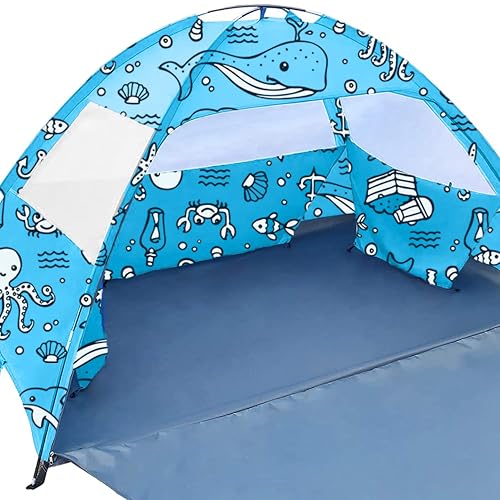
- Lightweight waterproof tent: a free-standing model with a full fly sheet handles wind and rain better than a bare inner. View on Amazon
- Insulated sleeping mat: cold ground draws heat from your body faster than cold air, so a good mat matters more than a warm bag. View on Amazon
- Trowel: a small folding trowel makes digging a toilet hole quick and tidy. View on Amazon
FAQ
Is wild camping legal in the UK?
It depends on the country and the land. Scotland allows it under its access code in most places, while England and Wales generally require landowner permission outside designated access areas.
How far should I camp from a road or house?
A common guideline is at least 100 metres from roads and buildings, and well out of sight of houses. Keep clear of farmland, enclosed fields and livestock.
Can I light a campfire when wild camping?
Generally no, because fires damage the ground and are often banned. Use a stove instead, and check local rules and fire-risk warnings before you go.
Conclusion
Good wild camping in the UK comes down to checking the law, picking a safe and discreet spot, and leaving no trace. Plan your route, pitch carefully and carry out everything you bring. If you are unsure about access rights, check with the landowner or local access authority before you set out.
Related reading
- Winter Camping Tips UK: 8 Steps to Stay Warm and Safe
- Wild Camping Tips Scotland: 9 Steps for a Legal, Safe Trip
- Camping Safety Tips Canada: 10 Steps for a Safe Trip in the Wild
- Yosemite Camping Reservations Tips: A Step-by-Step Guide for 2026
Ready to choose one?
About Emily Parker
Emily Parker is part of our editorial team and reviews and edits our camping know-how guides, checking product details against manufacturer specifications and owner feedback.