By Emily Parker
Updated November 2026
Camping safety tips Canada campers can rely on start with one goal: getting home in the same condition you left. This guide walks you through the planning, site setup, food storage, weather and emergency habits that prevent most serious problems on Canadian campgrounds and backcountry routes. Work through the steps in order before your next trip and you will have a clear, repeatable safety routine.
Canada’s camping conditions vary widely. A provincial park in southern Ontario and a remote site in the Yukon share little beyond the need for preparation. For general background on keeping a trip safe, see Safety Tips for Camping: 9 Steps to a Safe Trip Outdoors, then return here for the Canada-specific details.
Shopping for one? See our guide: Camping in Anza Borrego Tips: 5 Best Guides and Picks Compared (2026).
Step 1: Plan Your Trip and Tell Someone Your Route
Before you pack, decide where you are going, how you will get there and when you expect to be back. Leave a written itinerary with a friend or family member who is not on the trip. Include the campground or trailhead name, your vehicle make, model and licence plate, the names of everyone in your group and the date you will check in.
- Write the itinerary on paper as well as sending it by message.
- Include a specific time to call for help, such as “if I have not checked in by 8 p.m. on Sunday, call park dispatch.”
- Save the contact number for the park or ranger station and any local emergency line.
- Update the plan if you change sites or extend your stay.
Cell coverage is patchy or absent across much of Canada’s parks, so a plan left in the car or on the fridge at home matters more than a phone in your pocket.
Step 2: Check Current Conditions and Park Alerts
Conditions change quickly. Before leaving, check the official park or provincial website for closures, fire bans, trail damage, water advisories and bear activity. Parks Canada, provincial park agencies and territorial governments all publish alerts. Check again the morning you arrive, because a fire ban can be issued overnight.
Wildfire Season Rules
Many provinces restrict open fires, stove use and smoking outdoors during dry periods. If a fire ban is in effect, your camp stove may still be allowed, but check the specific rules. Never assume an unfamiliar campfire ring is legal to use.
Step 3: Pick a Safe Campsite
Where you pin your tent or park your vehicle affects almost every other risk on the list.
- Stay on designated sites where possible. They are chosen for drainage, access and distance from hazards.
- Avoid low spots where cold air and water collect, and avoid dead trees or large branches overhead (sometimes called widowmakers).
- Keep at least 30 metres from the shoreline if you are in a flood-prone area or near a river.
- Check your distance from the washroom, water tap and food storage area. Choose a site that keeps the kitchen and sleeping area separated by a reasonable walk.
- Note the nearest exit route, the road or trail you would use in an emergency.
Step 4: Store Food and Scented Items Correctly
Food storage is the single most important bear-safety habit in Canadian parks. Bears in many areas learn to associate campsites with food, which makes them dangerous to people and often leads to animals being destroyed.
- Store all food, coolers, garbage, toiletries, sunscreen, bug spray and anything with a scent in a locked vehicle or a designated food storage locker.
- Cook and eat away from your sleeping area, and clean up immediately afterward.
- Never leave food, dishes or grease in a tent or on a picnic table overnight.
- Keep your garbage sealed and remove it according to park rules; many parks forbid burning or burying it.
Practice these habits even on short trips. A single careless meal can change how a bear behaves in that area for seasons afterward. For a tent-specific angle on keeping a clean, safe space, see Tips for Hammock Camping: 9 Steps for a Warmer, Better Night's Sleep, which covers sleeping setup in more detail.
Step 5: Prepare for Bear and Wildlife Encounters
Know what to do before you see an animal. Carry bear spray in an accessible holster on your hip, not buried in your pack, and learn how to use it before you need it. Make noise on trails, especially around bends, streams and dense brush. Keep dogs leashed and under control at all times.
| Situation | What to do |
|---|---|
| Black bear at a distance, unaware of you | Stay calm, make your presence known, and slowly move away from it. |
| Black bear approaching | Stand your ground, speak firmly, wave your arms, and back away slowly if it allows. |
| Grizzly bear, any behaviour | Do not run. Speak calmly, back away slowly, and use bear spray if the bear charges. |
| Moose or elk in the campground | Keep a safe distance of at least 25 metres and do not approach young animals. |
Your exact distances and responses should follow the guidance from the park you are visiting, since local advice varies.
Step 6: Plan for Cold, Heat and Changing Weather
Canadian weather can shift sharply, even in summer. A warm afternoon can give way to frost or a fast-moving storm. Pack layers, a rain shell, a warm hat and gloves in every season, and check the forecast for the specific area rather than the nearest city.
Cold-Weather Basics
Hypothermia is a real risk at night even in July in mountain and northern regions. Keep a sleeping bag rated for the lowest overnight temperature you expect, use an insulated sleeping pad, and keep a dry set of clothes sealed in a bag. If you need a deeper guide to staying warm, Tips for Cold Weather Camping: 9 Steps to Stay Warm and Safe covers that in detail.
Heat and Sun Protection
Prairie and southern Ontario campgrounds can be hot and exposed. Drink water steadily, wear a hat, and plan strenuous hiking for cooler hours. Watch for signs of heat exhaustion, including headache, nausea and dizziness.
Step 7: Use Stoves, Heaters and Fire Safely
Carbon monoxide poisoning is a serious risk with heaters and stoves used in enclosed spaces. Never run a propane or gasoline heater inside a tent, camper or vehicle unless the device is rated for indoor use and you have ventilation. Keep at least one carbon monoxide alarm in any enclosed sleeping area that uses fuel.
- Keep fire extinguishers, buckets of water and a shovel near every fire.
- Never leave a campfire unattended, and drown it until the ashes are cold to the touch.
- Keep stoves on stable, level surfaces well away from tent walls.
- Store fuel canisters upright and out of direct sun.
If you camp in a trailer or motorhome, the same rules apply. For more on heating and power in those setups, see Winter RV Camping Tips: A Step-by-Step Guide to Cold-Weather Trips.
Step 8: Carry a Complete First-Aid and Emergency Kit
A first-aid kit should match the size of your group and the length of your trip. Canadian parks often mean long response times, so plan to manage minor injuries yourself.
Essential Checklist
- Adhesive bandages, gauze, medical tape and elastic wrap
- Antiseptic wipes and a small tube of antibiotic ointment
- Pain relief and any prescription medications, with spares
- Tweezers, scissors and blister treatment
- An emergency whistle, headlamp with spare batteries and a paper map
- A fire starter, water purification tablets or a filter, and an emergency blanket
- Your own medical information card, including allergies and medications
Take a basic first-aid course before a long trip if you can. Local Red Cross and St. John Ambulance courses are widely available. Anyone with a serious medical condition should consult their doctor about trip planning before leaving.
Step 9: Know Your Communication Options
Do not assume your phone will work. Download offline maps, save emergency numbers, and carry a satellite messenger or personal locator beacon if you will be far from roads. Some parks have emergency phones or radio dispatch; ask at the gate. Keep devices charged with a power bank and a solar charger if you stay several days.
Step 10: Make a Plan for Emergencies
Decide in advance what your group will do in common emergencies: a lost hiker, a vehicle breakdown, a sudden storm or a medical event. Agree on a meeting point, a signal for help and a rule that nobody goes off alone to search. If someone is missing, stay put when possible and call for help.
- Call 911 where service exists, or contact park dispatch or the nearest ranger station.
- Give your exact location, number of people, any injuries and the weather.
- Stay where you are unless staying puts someone at greater risk.
- Signal with three of anything: whistle blasts, flashes or fires.
Common Mistakes
- Leaving food or toiletries in the tent. Bears and other animals will investigate scents, even faint ones.
- Relying on cell service. Many parks have none, so carry paper maps and offline tools.
- Running heaters or stoves in enclosed spaces. This is a leading cause of carbon monoxide incidents.
- Ignoring fire bans. Dry conditions can turn a small fire into a serious wildfire quickly.
- Packing for summer weather only. Cold nights and sudden storms happen in every season.
- Not telling anyone your plan. Without an itinerary, a search may not begin for days.
Recommended gear
- Bear spray in a hip holster. Keeping the canister accessible and practicing the draw before a trip can make a real difference in a close encounter. View on Amazon
- Carbon monoxide alarm. A battery-operated alarm gives early warning if fuel-burning equipment is used in a closed space. View on Amazon
- Personal locator beacon. A satellite beacon lets you send an SOS and location where phone service is unavailable. View on Amazon
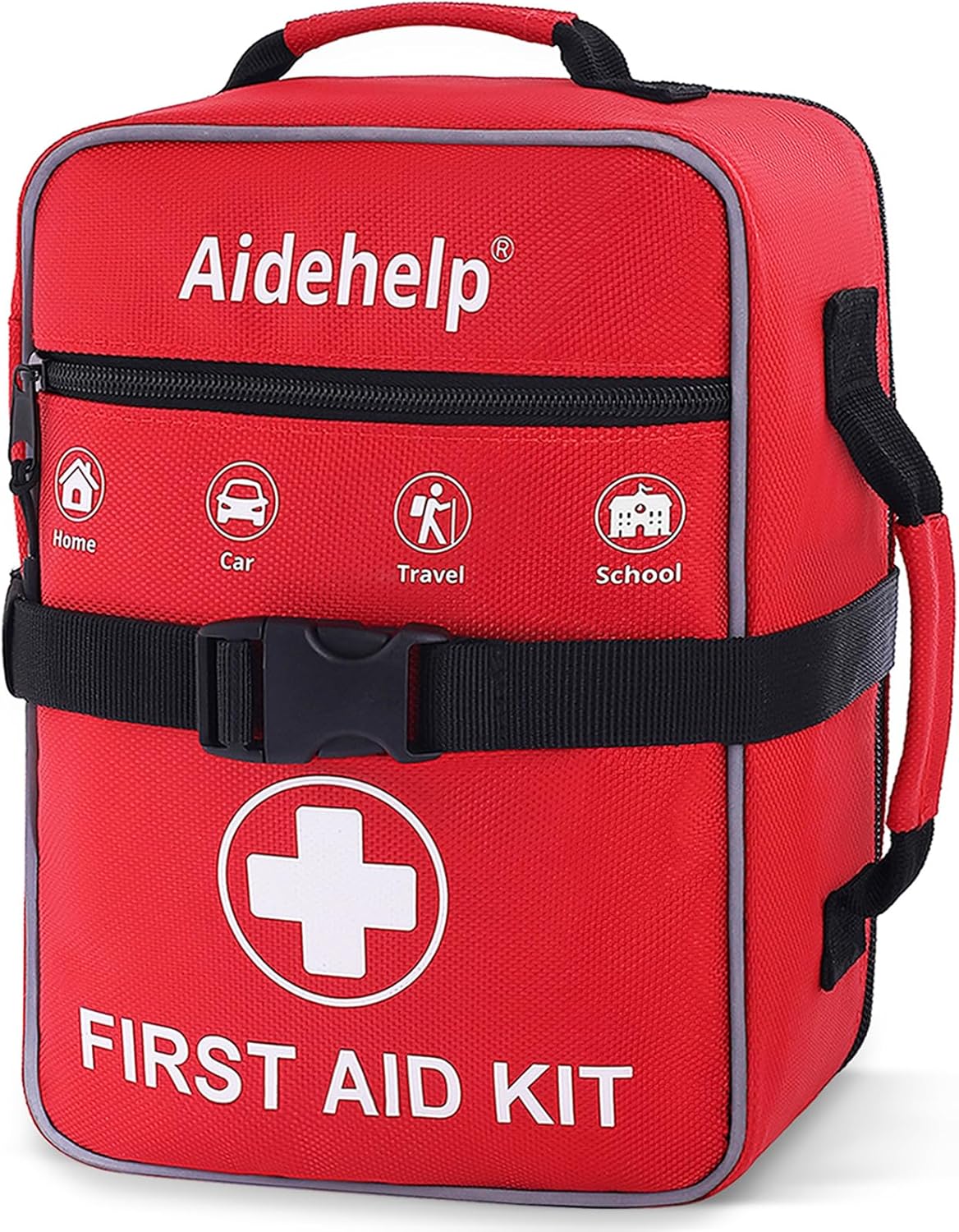
- Waterproof first-aid kit. A sealed, compartmentalized kit keeps supplies dry and organized on the trail. View on Amazon
Tips
- Keep a headlamp on your head or within reach at all times, not buried in a pack.
- Walk with a partner on unfamiliar trails, and turn back before you are tired.
- Teach children to stay within sight, carry a whistle and know what to do if they get lost.
- Check your tent and vehicle for wildlife and damage each morning.
- Keep a written list of emergency numbers in a waterproof bag.
FAQ
What is the most important camping safety tip in Canada?
Secure all food, garbage and scented items every time you leave your campsite or go to sleep. Bear safety depends heavily on this habit, and it protects both you and the animals.
Do I need bear spray in Canadian parks?
In many areas with black and grizzly bears, bear spray is strongly recommended. Check the rules for your specific park, since requirements and advice differ across provinces and territories.
Is it safe to use a propane heater in a tent?
No. Fuel-burning heaters can produce carbon monoxide and should not be used inside a tent or enclosed vehicle unless the device is explicitly rated for indoor use and there is adequate ventilation.
How do I check for a fire ban before camping?
Check the official website of the park or provincial or territorial government, and call the local ranger station if you are unsure. Restrictions can change within a day, so check again on arrival.
What should I do if I get lost in a Canadian park?
Stop, stay calm and stay where you are if it is safe. Use your whistle, signal for help and conserve your phone battery. Rescuers search more effectively when you remain in one place.
Do I need a first-aid course before camping?
A course is not required, but it is strongly recommended for trips into remote areas. It teaches skills that matter when help is far away.
Can children camp safely in Canada?
Yes, with preparation. Teach them about bears, fire and water safety, supervise closely near water and campfires, and give them a clear plan for what to do if they become separated from the group.
Conclusion
Camping safety in Canada comes down to planning ahead, storing food correctly, respecting wildlife and weather, and carrying the right emergency tools. Build these habits into every trip and you will spend less time worrying about risk and more time enjoying the outdoors. Check current park alerts before you leave, and let someone know exactly where you will be.
Ready to choose one?
About Emily Parker
Emily Parker is part of our editorial team and reviews and edits our camping know-how guides, checking product details against manufacturer specifications and owner feedback.