By Emily Parker
Updated November 2026
Long term RV camping tips come down to one goal: setting up your rig and routine so that a stay of several weeks or months feels like living, not just vacationing. This guide walks through the planning, systems and habits that keep extended trips comfortable. Follow the steps below and you will spend less time troubleshooting and more time enjoying your location.
Step 1: Plan Your Pace and Your Base
Most long-term RVers settle into a pace of two to four weeks per campground rather than moving every few nights. Slower movement cuts fuel use, reduces setup and teardown, and gives you time to learn the area. Book monthly rates where available, and confirm whether the site allows the length of stay you need. For broader planning ideas, see Long Camping Trip Tips: 9 Steps for Trips Lasting a Month or More.
Shopping for one? See our guide: Camping in Anza Borrego Tips: 5 Best Guides and Picks Compared (2026).
Step 2: Set Up Reliable Power
Map your electrical needs before you leave. Add up the wattage of the appliances you run daily, including the fridge, water heater, lights, devices and any heater or air conditioner. Know your shore power amperage (30-amp and 50-amp service are the common US options) and confirm your adapter fits the site. If you plan to dry camp at times, a solar setup with a battery bank and inverter extends your independence, but size it to your actual daily use rather than guessing.
Step 3: Manage Water, Waste and Propane
Water, gray and black tanks, and propane set the rhythm of a long stay. Track usage for a week to learn how fast each one drains. Carry a potable water hose rated for drinking water, use a water pressure regulator at the hookup, and keep sanitizing supplies on hand. Empty the black tank when it is about two-thirds full, and always leave the gray tank valve open long enough to clear solids. Check propane levels weekly, and carry a spare tank if your heating depends on it.
- Verify hookup amperage and bring the correct adapters.
- Install a water pressure regulator and a drinking-water-safe hose.
- Stock sewer hose, gloves, sealant and a clear elbow for checking flow.
- Confirm propane tank levels and carry a backup tank.
- Set up a surge protector and check your converter or inverter.
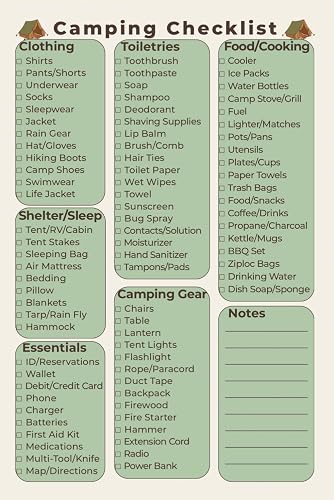
- Make a supply list for groceries, laundry and medications.
- Arrange mail forwarding or a General Delivery address before departure.
- Save campground contacts, the nearest service center and your insurance details.
Step 4: Build a Weekly Routine
Long stays reward a repeatable schedule. Pick one day for laundry, one for restocking and one for tank maintenance. Keep a simple log of fuel, propane, tank levels and any repairs. The routine keeps small problems from stacking up, and it gives the trip a rhythm that feels like home. Check your rig’s systems on a regular basis, including tires, batteries, seals and slide-out mechanisms, and note anything that needs attention.
Tips
- Keep a small tool kit and a tire pressure gauge in the cab.
- Store fresh food in the fridge and rotate perishables weekly.
- Add a loose-fitting cover or seal to outdoor storage to reduce dust and moisture.
- Use a leveling system and check your rig after every rain or wind event.
- Learn the campground’s quiet hours and rules on generators early on.
Common Mistakes
- Running the black tank until it is full, which makes it hard to drain fully.
- Ignoring small leaks, which can turn into water damage over weeks.
- Assuming every campground has the same hookups or cell coverage.
- Skipping a backup plan for power or water when boondocking.
Recommended Gear
- Water pressure regulator: Protects your plumbing from high campground pressure during long hookups. View on Amazon
- Drinking-water hose: Keeps fresh water separate from sewer and general-purpose hoses. View on Amazon
- Sewer hose kit: Makes tank emptying cleaner and easier to store. View on Amazon
FAQ
How long can you stay in one campground?
Many parks limit stays to 14 or 30 days, though some allow longer seasonal or monthly arrangements. Check the rules with the campground before you book.
Do you need special insurance for full-time RV living?
Standard RV policies may not cover full-time use, so ask your insurer whether your coverage applies to extended travel. A licensed insurance agent can review your situation.
How often should you empty your tanks?
Empty the black tank when it is about two-thirds full and the gray tank as needed, typically every few days during a long stay. Adjust based on your water use.
Conclusion
Good long-term RV camping comes from planning power, water and waste early, then keeping a simple weekly routine. Use the steps above to set up your rig before you leave, and log what you learn as you go. With those habits in place, extended trips become easier and far more enjoyable.
Related reading
- Long Term Tent Camping Tips: 9 Steps for Multi-Week Trips
- Long Term Camping Tips: 9 Steps for Trips Lasting a Month or More
- Yellowstone RV Camping Tips: 8 Steps for a Smooth Park Trip
- Winter RV Camping Tips: A Step-by-Step Guide to Cold-Weather Trips
- Tips for RV Camping: A Step-by-Step Guide for Beginners
Ready to choose one?
About Emily Parker
Emily Parker is part of our editorial team and reviews and edits our camping know-how guides, checking product details against manufacturer specifications and owner feedback.