By Emily Parker
Updated November 2026
Fun camping places with kids share a few traits: safe space to roam, things to do within walking distance, and facilities that make daily life easier for parents. This guide walks you through how to narrow down your options, check what matters for your family, and pick a campsite that keeps everyone happy. By the end, you will have a short list of campground types to research and a simple way to compare them.
Step 1: Decide What Kind of Trip Your Kids Will Enjoy
Start with the ages and energy levels in your group. Toddlers usually do best at campgrounds with flat, open ground, short walks and a playground nearby. School-age kids often want water, trails, or a place to explore on bikes. Teens may care more about privacy, a fire ring they can gather around, or a lake for paddling.
Shopping for one? See our guide: 6 Best Campfire Survival Cooking Kits for Camping and Emergencies.
Write down two or three things each child would name as a highlight. That list becomes your filter for every campground you consider.
Step 2: Choose a Campground Type That Fits
Most family-friendly trips fall into a few categories. Each one suits a different kind of day.
- Lakeside or riverside campgrounds: Good for swimming, wading, fishing and paddling. Look for shallow, gently sloping shorelines if you have young children.
- Developed campgrounds with playgrounds: Useful when kids need to burn energy between meals. Bathrooms, water and a camp store are usually close by.
- State or regional parks with easy trails: Short loops with junior ranger programs or nature walks keep school-age kids engaged.
- Farm or ranch campgrounds: Animal contact and open fields are a hit with younger children. Check whether animals are present year-round and whether kids are supervised around them.
- Backyard or private family campgrounds: A low-stress choice for first-timers, with fewer neighbors and simpler logistics.
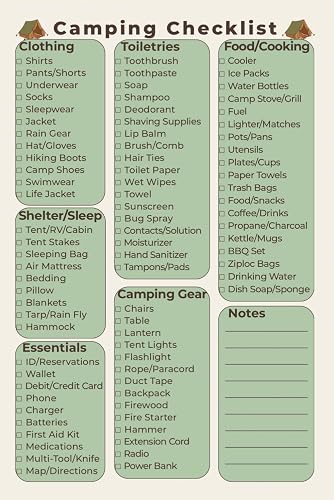
If you are still deciding on the basics of gear and layout, the guide What Do I Need to Go Camping with Kids? A Step-by-Step Packing Guide covers what to bring once you have a destination in mind. For a deeper look, Camping Gear for Kids: What They Need and What They Don’t covers this in detail.
Step 3: Check the Practical Details Before You Book
A fun site can still be miserable if the basics are missing. Use this checklist when you compare campgrounds:
- Distance to the nearest restroom and clean water tap. Under about 150 feet is a comfortable target for young kids at night.
- Whether the site is shaded in the afternoon and whether there is a flat tent pad.
- Presence of a playground, swimming area, or a trail that is stroller-friendly.
- Cell coverage, if you need to stay reachable. Many parks have none, which can be a plus for families wanting to unplug.
- Rules on fires, pets, quiet hours and kids’ activities such as bike riding.
- The current hours, dates, reservation rules and fees, which you should confirm on the official campground or agency website, since these change often.
For destination ideas with more detail, see Family Camping Tips: Planning a Trip That Works for Kids and Things to Do with Young Kids While Camping: 9 Easy Ideas for Trips.
Step 4: Plan Activities That Fill the Day
Pick two or three anchor activities per day, not a full schedule. Kids settle in faster when they know what comes next. Plan one morning activity, one afternoon option for rest or water play, and one evening ritual such as a campfire story or stargazing. Keep a bag of simple supplies handy: a nature scavenger list, bug cups, a magnifying glass and a flashlight for each child.
Weather can change your plans quickly. If rain is in the forecast, see Tips for Camping in Rain With Kids: 9 Steps to Stay Dry and Happy for ways to keep the day enjoyable indoors or under a tarp.
Common Mistakes to Avoid
- Booking a campground that looks fun on a map but has no shade or nearby water for hot days.
- Planning too many activities and leaving no downtime, which often leads to meltdowns.
- Forgetting that kids need warm layers at night even in summer, especially at higher elevations.
- Skipping a first aid kit. Pack one sized for your family and check it before every trip.
- Assuming a site is kid-proof. Scout the campsite for hazards like steep drop-offs, open fire pits and loose gear.
Recommended Gear
- Kids’ sleeping pads or air mattresses: Give children a comfortable, insulated sleep surface that keeps them off cold ground. View on Amazon
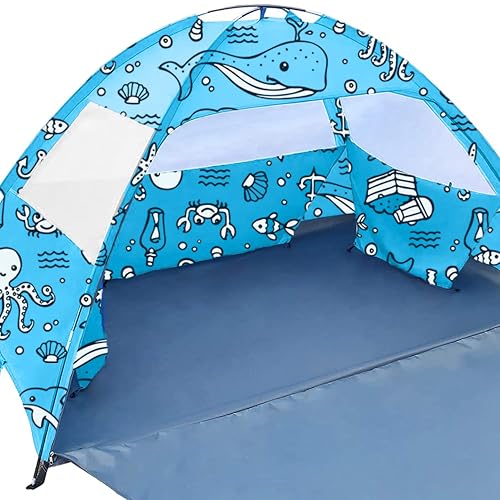
- Sun shade canopy for camp: A portable shade gives toddlers a place to nap and keeps afternoons cooler at the site. View on Amazon
- Kids’ camp chairs: Low, sturdy seats make it easy for little ones to sit at the table or around the fire. View on Amazon
FAQ
What age is best for a first camping trip with kids?
There is no single best age. Many families start with a short, close-to-home trip once children are old enough to sleep on a pad and follow basic safety rules, but toddlers can camp successfully with a simple plan and a short first trip.
How far should a campsite be from the bathroom?
A distance under about 150 feet is a comfortable target for young kids, especially at night. Shorter is better if you are camping with toddlers who may need help in the dark.
Do I need to reserve a family campground ahead of time?
Popular parks and holiday weekends often fill early, so reserving ahead is usually wise. Confirm reservation rules, availability and any fees on the official campground or agency website, since these details change.
Conclusion
The best fun camping places with kids match your children’s interests, have the basics within easy reach, and leave room for unplanned play. Narrow your choice by campground type, check the practical details before booking, and keep each day simple. A well-chosen campsite and a relaxed plan will make the trip one your family remembers.
Related reading
Ready to choose one?
About Emily Parker
Emily Parker is part of our editorial team and reviews and edits our camping know-how guides, checking product details against manufacturer specifications and owner feedback.