By Emily Parker
Updated November 2026
Camping and hiking safety tips come down to three habits: plan before you leave, carry the right gear, and make conservative decisions once you are on the trail or at camp. Follow the steps below and you will cut your risk of getting lost, injured, or caught out by weather. This guide is written for beginners and anyone who wants a checklist they can rely on.
Plan Your Route and Tell Someone
Before you go, pick a route you can finish in daylight with time to spare. Check the trail length, elevation gain, and expected hiking time, then add at least 30 percent to your estimate for breaks and slower sections. Download offline maps, because cell coverage often disappears in the backcountry.
Shopping for one? See our guide: Camping in Anza Borrego Tips: 5 Best Guides and Picks Compared (2026).
Leave a written trip plan with someone at home. Include your start point, route, campsite location, vehicle description, and the date you expect to return. Set a specific time after which they should call the local ranger station if they have not heard from you.
Pack the Ten Essentials
The “ten essentials” system, long used by hiking organizations in the United States, is a solid baseline. Pack these items on every trip, even short ones:
- Navigation: paper map, compass, and a charged GPS device
- Headlamp with spare batteries
- Sun protection: sunglasses, sunscreen, and a hat
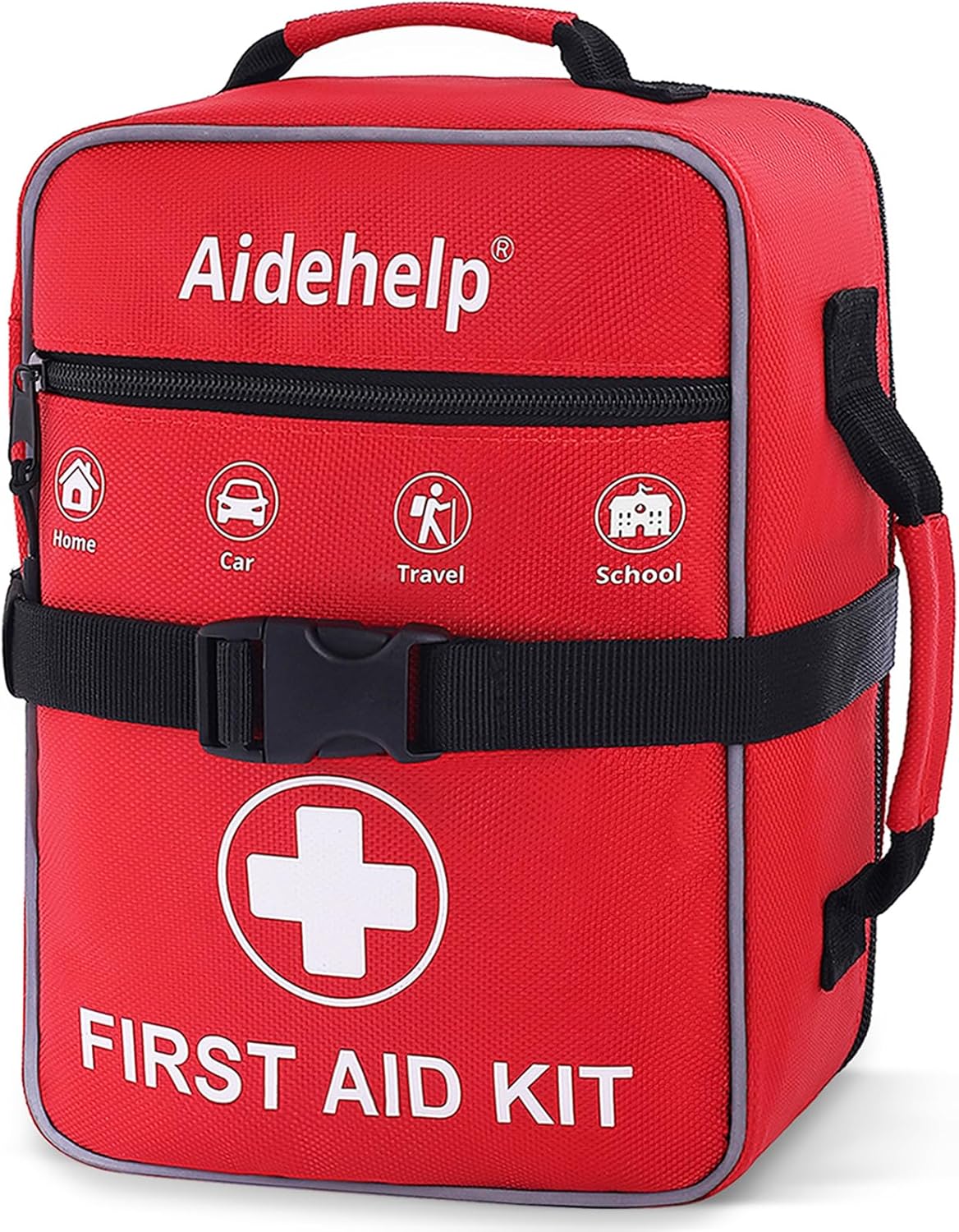
- First-aid kit and any personal medications
- Knife or multi-tool
- Fire starter: waterproof matches or a lighter, plus tinder
- Emergency shelter, such as a bivy or space blanket
- Extra food (one day beyond your plan)
- Extra water and a way to purify it
- Extra clothing, including a warm insulating layer and rain shell
Manage Weather, Terrain, and Wildlife
Check the forecast for the trailhead and the high points on your route, not just the nearest town. Mountain weather can change within an hour, so plan to turn around if clouds build or wind picks up. Lightning is a serious risk above treeline; be off exposed ridges by early afternoon in summer.
Wildlife deserves the same respect. Store food in a sealed container or hang it properly, and keep a clean camp. If you are camping in bear territory, follow local guidance closely; this Camping in Bear Country Safety Tips: 9 Steps to Stay Safe article covers the details. Never approach or feed animals, and keep a safe distance from any wildlife you encounter.
Water and Hydration
Dehydration sneaks up on hikers. Drink before you feel thirsty and aim to refill at planned points. Treat all natural water with a filter, purifier, or boiling for at least one minute. Clear water can still carry bacteria and parasites.
Camp Safely After Dark
Set up camp before dusk so you are not fumbling with stakes and poles in the dark. Choose a flat site away from dead trees, dry creek beds, and avoid pitching directly under widowmakers. Keep your stove and fuel well away from the tent, and never leave a campfire unattended. Douse it with water until it is cold to the touch.
Carbon monoxide is a real hazard in enclosed spaces. Never run a gas stove, lantern, or generator inside a tent or vehicle. For more on campfire and cooking precautions, see Camping Food Safety Tips: 9 Steps to Keep Your Meals Safe.
Recommended Gear
- Waterproof paper maps and a compass: These keep working when batteries die or screens get wet. View on Amazon
- Personal locator beacon: Useful where cell service is absent, and it sends an emergency signal to rescue coordinators. View on Amazon
- Compact first-aid kit: A trail-specific kit makes it easier to treat blisters, cuts, and sprains on the spot. View on Amazon
Common Mistakes
- Starting late in the day and underestimating the return trip.
- Relying on a single device for navigation with no backup.
- Skipping a trip plan because the hike feels easy.
- Drinking untreated stream water because it looks clear.
- Pitching a tent too close to the trail or a water source.
FAQ
What should I do if I get lost on a trail?
Stop moving, stay calm, and check your map and compass. If you cannot find your way, stay put and signal for help, since staying in one place makes you easier to find.
How much water should I carry on a hike?
Most hikers plan for about half a liter per hour in moderate conditions, adjusted for heat and effort. Always carry a treatment method in case you need to refill from natural sources.
Is solo hiking or camping safe for beginners?
It can be, with careful planning and a trip plan left with someone. For detailed guidance, read Solo Camping Safety Tips: 8 Steps to Stay Safe on Your Own.
Conclusion
Good camping and hiking safety comes from planning ahead, packing the essentials, and respecting weather and wildlife. Build these habits into every trip and your risk drops considerably. When in doubt, choose the more conservative option and turn back early.
Related reading
Ready to choose one?
About Emily Parker
Emily Parker is part of our editorial team and reviews and edits our camping know-how guides, checking product details against manufacturer specifications and owner feedback.