By Emily Parker
Updated November 2026
Summer camping safety tips come down to three things: staying hydrated and out of the worst heat, protecting your skin and eyes from intense sun, and planning for fast-changing weather and fire risk. Follow the steps below and you will leave camp with a clear plan for each of those hazards. Heat illness and sudden storms cause more summer camping trouble than most other problems, so start there.
Plan for Heat and Hydration
Heat exhaustion can set in within hours when temperatures climb above 90°F, especially if you are hiking or working in direct sun. Plan your day around the heat. Do strenuous hiking and camp chores before 10 a.m. and after 6 p.m., and rest in shade during the middle of the day.
Shopping for one? See our guide: Camping in Anza Borrego Tips: 5 Best Guides and Picks Compared (2026).
Drink water before you feel thirsty. A common guideline is roughly half a gallon per person per day in hot weather, more if you are active. Pack electrolyte tablets or packets to replace salt lost through sweat, and watch for dark urine, headaches, dizziness or muscle cramps as early warning signs.
Protect Yourself from Sun and Insects
- Apply broad-spectrum sunscreen with an SPF of 30 or higher, and reapply every two hours or after swimming.
- Wear a wide-brimmed hat, UV-rated sunglasses and lightweight long sleeves for midday.
- Use an insect repellent containing DEET, picaridin or oil of lemon eucalyptus, following the label directions for children.
- Check your body and clothing for ticks after time in tall grass or wooded areas.
Sun and bugs both gain strength in the afternoon, so treat your protection as part of your daily routine, not something you do only at the trailhead.
Manage Storms, Water and Campfires
Afternoon thunderstorms are common in many summer regions. Check the forecast before you leave and again each morning. If you hear thunder, move out of open areas, avoid tall isolated trees and get into a hard-topped vehicle or a sturdy building. Do not shelter under a tent during lightning.
Water near camp carries real hazards. Rivers and lakes can rise quickly after rain upstream, and cold mountain water can cause sudden fatigue. Always wear a properly fitted life jacket on boats and stay out of fast current.
Campfires are the most common summer fire risk. Check local fire restrictions before you light anything, since many areas ban open flames during dry spells. Keep a bucket of water and a shovel nearby, keep flames under control, and drown the fire until the ash is cool to the touch before you leave or go to sleep.
Summer Camping Safety Checklist
- Check the forecast and local fire restrictions before departure.
- Pack at least one gallon of water per person per day, plus extra.
- Bring sunscreen, a hat, sunglasses, repellent and a basic first-aid kit.
- Tell someone your route and expected return time.
- Carry a headlamp, a charged phone and a backup battery pack.
- Store food in sealed containers and keep coolers in shade.
Common Mistakes
- Waiting until you feel thirsty or dizzy before drinking water.
- Leaving food, medication or electronics inside a parked vehicle, where temperatures rise fast.
- Ignoring a change in the sky and staying out during the first rumble of thunder.
- Assuming a campfire is out when it still has glowing embers.
- Skipping sunscreen on cloudy days, when UV exposure can still be high.
Recommended Gear
A reliable insulated water bottle helps you keep drinking throughout the day. View on Amazon
A wide-brimmed sun hat with a chin cord keeps your face and neck shaded without blocking airflow. View on Amazon
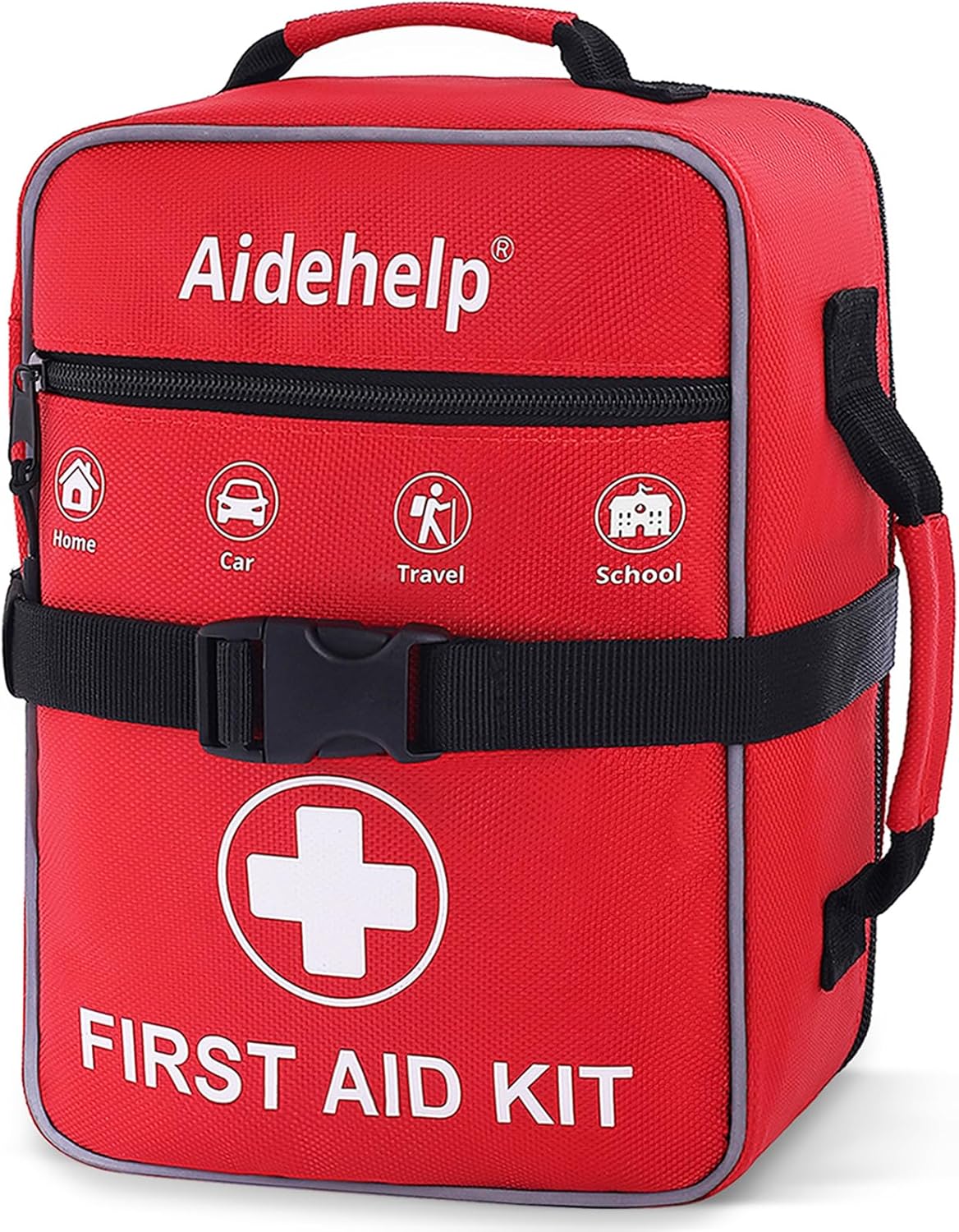
A compact first-aid kit covers burns, blisters and minor cuts that are common in summer trips. View on Amazon
FAQ
How much water should I bring for a summer camping trip?
Plan for at least half a gallon per person per day in moderate heat, and more if you are hiking or temperatures are above 90°F. Carry a water filter or purification tablets as a backup for refilling.
What should I do if someone shows signs of heat exhaustion?
Move the person to shade, have them rest, and offer water or an electrolyte drink in small sips. Cool the skin with wet cloths, and seek medical care if symptoms worsen or confusion develops. Consult a medical professional for any serious concern.
Can I have a campfire during a summer heat wave?
Check local fire restrictions first, because many areas ban open fires during dry or windy conditions. If fires are allowed, keep them small and fully extinguished before you leave.
Conclusion
Summer camping safety comes down to managing heat, protecting yourself from sun and insects, and staying alert to storms and fire risk. Check the forecast, drink water early and often, and keep a simple checklist in your gear bin. With those habits in place, you can enjoy long summer days outdoors with far less worry.
Related reading
- Safety Tips for Camping: 9 Steps to a Safe Trip Outdoors
- Hot Tent Camping Tips: 9 Steps for Warmth, Ventilation and Safety
- Car Camping Safety Tips: 10 Steps to Stay Safe on Every Trip
Ready to choose one?
About Emily Parker
Emily Parker is part of our editorial team and reviews and edits our camping know-how guides, checking product details against manufacturer specifications and owner feedback.