By Emily Parker
Updated November 2026
Camping in bear country safety tips come down to one goal: keep bears interested in nothing at your campsite. Bears are rarely looking for trouble. They are looking for calories, and a careless camp hands them plenty. This guide walks through the steps that prevent most bear encounters, what to pack, and how to respond if a bear comes closer than you want.
Before you head out, check the rules for the specific park or forest. Requirements for food storage, backcountry permits and campfire restrictions vary widely. The steps below apply almost everywhere, but local regulations always come first. If you are new to outdoor trips in general, the basics in Safety Tips for Camping: 9 Steps to a Safe Trip Outdoors are a good companion to this guide.
Shopping for one? See our guide: Camping in Anza Borrego Tips: 5 Best Guides and Picks Compared (2026).
Step 1: Learn Which Bears Live in Your Area
In North America you will usually encounter either black bears or grizzly (brown) bears. Black bears are found across much of the continent and are often more tolerant of people, but they are still powerful animals and should never be approached. Grizzlies are less common and generally more aggressive when surprised or protecting cubs or food. Knowing which species is present determines how much distance you need and what your response should be.
Ask rangers or check park websites for recent sighting reports and any active closures. Pay attention to notices about a bear that has been getting into food, as those situations escalate quickly. Bear Proof Cooler for Camping: 6 Best Picks for Bear Country Trips goes further into this.
Step 2: Control Every Smell at Camp
Bears find food by smell from a long way off, so your job is to limit what they can detect. Many people think only food matters, but bears respond to toothpaste, sunscreen, lip balm, deodorant, trash, and even cooking grease on dishes.
- Cook at least 100 feet from your sleeping area, and eat away from your tent.
- Wipe down cooking surfaces and wash dishes right after meals.
- Pack out all trash, or use bear-resistant containers where provided.
- Keep the clothes you cooked in separate from your sleeping clothes, which should stay clean.
- Do not store food, coolers or scented items in your tent under any circumstances.
Step 3: Store Food Properly Every Time
Proper food storage is the single most effective bear safety habit. The method depends on where you camp.
Bear-resistant food canisters
In many backcountry areas, hard-sided bear canisters are required. They are designed to withstand a bear’s bite and claws. Store them at least 100 yards from your tent and away from water sources, as local rules specify.
Bear lockers and vehicles
Developed campgrounds often provide metal food lockers. Use them for all food, coolers, toiletries and trash. In some areas, a hard-sided vehicle is acceptable storage, but soft-topped vehicles and tents are not. Keep windows closed and nothing visible through the glass.
Bear hangs
Where canisters and lockers are not provided, a counterbalanced bear hang may be used. Hang the food bag at least 10 feet off the ground and 4 feet out from the trunk or support, with the bag suspended well below the rope point. Practice the technique before your trip, because a poorly built hang can fail.
Step 4: Set Up Your Campsite Smartly
Where you pitch your tent matters as much as how you store food. Choose a site away from game trails, berry patches, carcasses and natural food sources. Avoid camping directly downwind of your cooking area. Keep your tent at least 100 yards from your food storage and cooking spot, and pick a site that gives you a clear view in more than one direction.
If you are car camping, the same principles apply. The guidance in Car Camping Safety Tips: 10 Steps to Stay Safe on Every Trip covers security habits that also help in bear country.
Step 5: Carry the Right Gear
Some gear is not optional in bear country. Use this checklist before you leave:
- Approved bear spray, carried on your hip or chest, not in your pack.
- Bear-resistant food storage that meets local rules.
- A headlamp or flashlight with spare batteries for night trips.
- A whistle or air horn for signaling.
- A sealed bag for trash and a method for packing out all food waste.
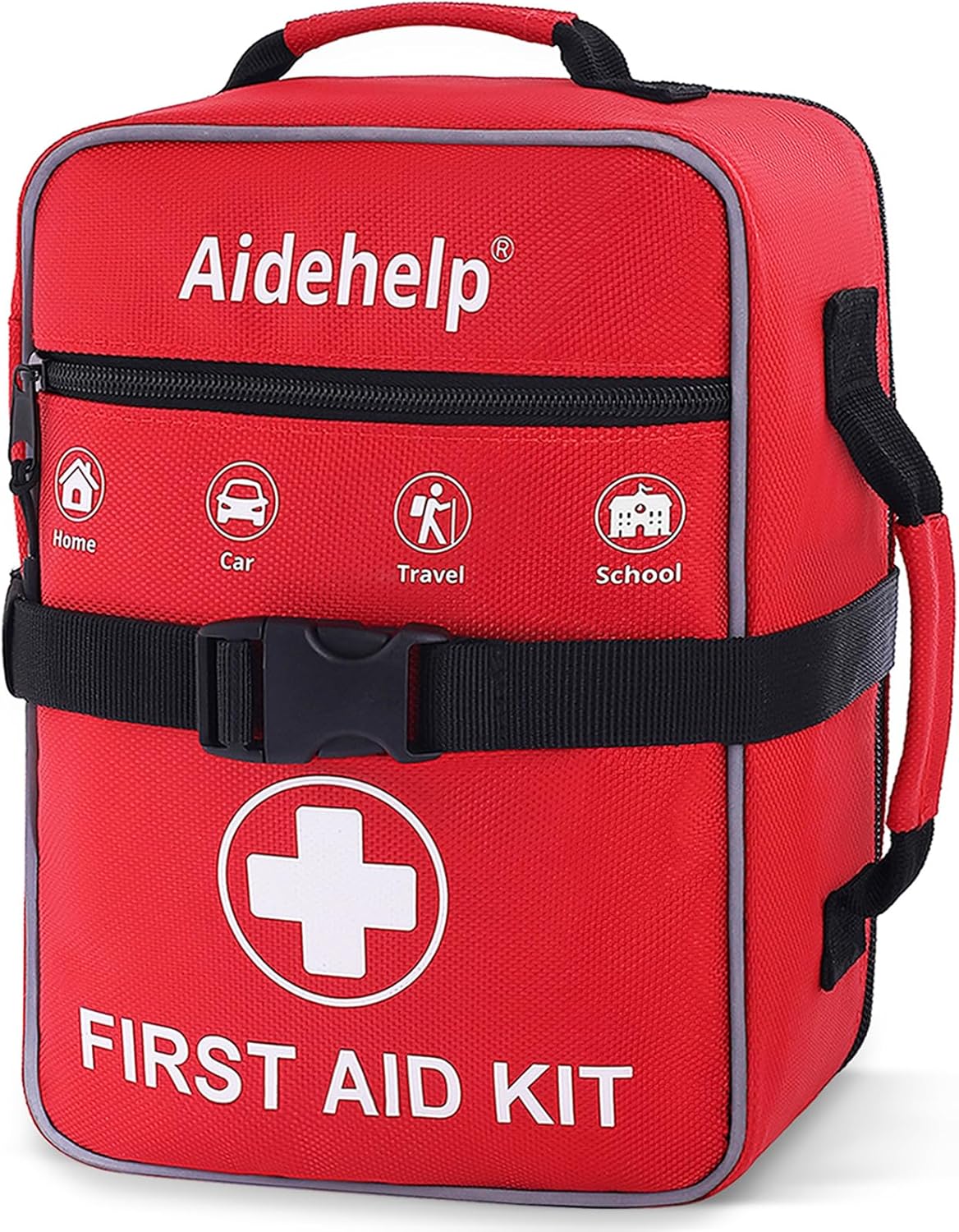
- A first aid kit and a plan for communication, such as a satellite messenger where cell coverage is poor.
Test your bear spray before the trip by reading the instructions and checking the expiration date. Replace it if it is past its date.
Step 6: Hike and Travel Loudly
Most surprise encounters happen when a bear does not know you are there. Make noise on trails, especially near blind corners, streams, dense brush and areas where visibility is low. Talk, sing or clap at regular intervals. Hike in daylight when possible, since bears are generally more active at dawn and dusk. Keep children close and never let them wander ahead out of sight.
Step 7: Know How to React to a Bear
Stay calm. Most bears that approach are simply curious or trying to assess you, and they often leave once they know what you are. Use this sequence:
- Stop moving and assess the bear’s behavior and distance.
- Speak calmly and firmly so the bear knows you are human.
- Back away slowly, keeping the bear in view. Do not run.
- Give the bear space and an escape route. Leave the area if you can.
- If the bear approaches within a close distance, use bear spray when it is within range and the wind allows.
Black bear versus grizzly
If a black bear attacks, fight back with everything you have. If a grizzly makes a defensive charge or contacts you, play dead by lying flat on your stomach with your hands clasped behind your neck and your pack on for protection. Only stop when the bear has left. This advice is widely recommended by park agencies, but a bear’s behavior is hard to predict, so follow the guidance from local rangers.
Bear Encounter Response at a Glance
| Situation | Recommended action |
|---|---|
| Bear seen at a distance, unaware of you | Leave quietly and give it room |
| Bear notices you and stays calm | Stop, speak firmly, back away slowly |
| Bear approaches within close range | Use bear spray if it is in range and the wind allows |
| Black bear makes contact | Fight back aggressively |
| Grizzly makes contact (defensive) | Play dead, lie flat, protect neck and head |
Common Mistakes to Avoid
- Storing food, toiletries or trash inside your tent or near it.
- Leaving a cooler or dishes outside overnight.
- Assuming bear spray is a replacement for proper food storage.
- Running from a bear, which can trigger a chase response.
- Hiking with headphones on, which reduces your ability to hear a bear nearby.
- Feeding wildlife, even small animals, which teaches bears to approach people.
- Skipping the trip briefing from rangers, who often know about recent bear activity.
Tips for Staying Safe Over the Whole Trip
Keep your camp tidy from the first hour to the last. Take a last walk around your site before bed and before leaving, checking for food scraps, grease spots and wrappers. Stay alert on the drive in and out, since bears sometimes cross roads or feed along road edges. Pay attention to fresh tracks and scat, and if you see signs of recent activity, change your plans or ask a ranger for advice. For families, Camping with Bears Tips: 9 Steps to Stay Safe in Bear Country offers extra ideas that work well on trips with kids.
Recommended gear
Bear-resistant food canisters are required in many backcountry areas and give you a dependable storage option when hanging food is not allowed or practical. Look for models that meet the specific standards in your region. Bear spray should be carried in a holster on your hip or chest so you can reach it in seconds. Owners often report that a belt holster keeps the canister within easy reach during hikes. A satellite messenger helps you call for help or send a check-in message when you are out of cell range, which matters in remote bear habitat.
- Bear-resistant food canister: BearVault BV500. View on Amazon
- Bear spray with holster: Counter Assault Bear Deterrent. View on Amazon
- Headlamp for night trips: Petzl Actik Core. View on Amazon
- Satellite messenger: Garmin inReach Mini 2. View on Amazon
FAQ
How far should I keep my tent from food storage?
Many parks require at least 100 yards between your tent and food storage, cooking area and trash. Check the rules for your specific site because distances vary.
Is bear spray better than a firearm for protection?
Bear spray is widely recommended by wildlife agencies because it is effective at short range and easier to use under stress. Firearm rules differ by location and require training, so check local regulations and your own skill level before carrying one.
Do bears really go after tents with food inside?
Yes. Bears have been known to tear into tents and vehicles when they smell food. Never store food, coolers or scented items inside your shelter.
What should I do if a bear enters my campsite?
Make yourself look large, speak firmly, and make noise to encourage it to leave. Keep your distance and do not approach it. Notify the park or ranger station afterward so staff can respond to repeat visits.
Should I cook in my tent vestibule?
No. Cooking near your shelter leaves odors that attract bears. Cook at least 100 feet away from where you sleep.
Does bear spray work on black bears and grizzlies?
Bear spray is designed to work on both species. Use it when a bear is within range and the wind is not blowing the spray back toward you.
Are bears more active at certain times of day?
Bears are often most active at dawn and dusk, although they can be active any time. Plan to hike during daylight hours when possible and remain alert at twilight.
What if I am unsure whether a bear is dangerous?
Treat every bear as potentially dangerous and keep your distance. If you are concerned about a bear’s behavior, contact park staff or a local wildlife agency for guidance.
Conclusion
Camping in bear country safety tips work because they remove the reasons a bear would visit your site in the first place. Store food and scented items correctly, cook and eat away from your tent, and keep your campsite clean. Carry bear spray, make noise on the trail, and know how to respond calmly if a bear appears. Always follow local regulations and ranger advice, and you will have a far safer and more enjoyable trip.
Related reading
Ready to choose one?
About Emily Parker
Emily Parker is part of our editorial team and reviews and edits our camping know-how guides, checking product details against manufacturer specifications and owner feedback.